Rainy Day in Ueno: Choose a Museum for a Same-Day Visit
Choose Tokyo National Museum for Japanese art or Kahaku for nature and science. Check today’s opening calendar, then sort tickets and luggage before leaving.
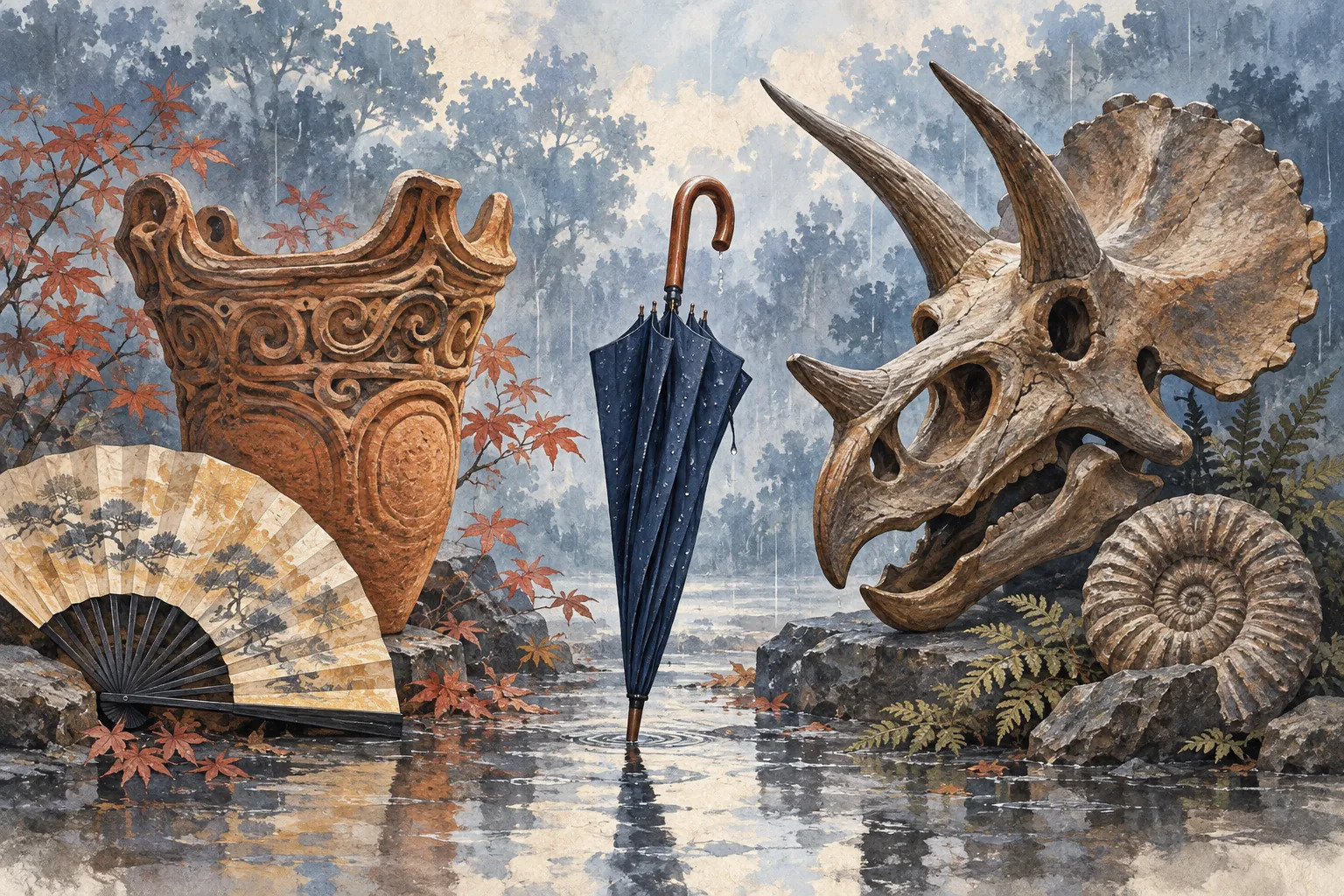
Which museum fits your afternoon?
The names are easy to confuse. Tokyo National Museum focuses on art and archaeology, particularly from Japan; The National Museum of Nature and Science, known as Kahaku, focuses on natural history and science. Pick the subject your group actually wants to see. A shorter, focused visit usually makes a better rescue plan than trying to finish both museums.
On a phone, swipe the table sideways to compare both museums. With a keyboard, focus the table and use the arrow keys.
| Your decision | Tokyo National Museum | Kahaku |
|---|---|---|
| Best starting interest | Japanese art, objects and history | Nature, animals and science |
| Ticket to look for | TNM Collection Exhibitions | Permanent Exhibitions |
| Standard adult admission | ¥1,000; university students ¥500 | ¥630, including university students |
| Children | High-school students and younger enter collection exhibitions free | High-school students and younger enter permanent exhibitions free |
| Official walk estimate | 10 minutes from JR Ueno | 5 minutes from JR Ueno, Park Exit |
| Important separate check | Special exhibitions have their own ticket arrangements | ComPaSS requires its own dated reservation |
Admission: Tokyo National Museum and Kahaku. Free-entry visitors should bring the proof required by the museum. Special exhibitions and optional activities can have separate charges. Walking estimates are not door-to-gallery times.
Choose Tokyo National Museum for art
Make the Japanese Gallery, called Honkan, your first stop. Its upstairs chronological display is the museum’s recommended short introduction. Start there, then spend longer with the objects that catch your attention. Displays rotate, so choose a theme rather than promising yourself one particular work. Check the museum’s visit guidance before fixing a must-see list.
Choose Kahaku for nature and science
Its permanent exhibitions occupy the Japan Gallery and Global Gallery. Ask each person to pick one interest, then use the floor guide to choose your first gallery. You can leave the rest for another visit. This makes the outing easier to shorten if a child gets tired. The official museum guide includes an English option and a free multilingual smartphone guide available inside the museum.
If you already hold a museum pass, check its exact benefit before buying another ticket. For a longer museum itinerary, our Tokyo museum pass comparison explains the choices. Do not buy a pass simply because the forecast is wet.
Four checks before you leave
- Check today’s opening calendar. Both museums normally close on Mondays, with holiday-related exceptions. TNM normally opens at 09:30 and Kahaku at 09:00; both normally close at 17:00, with final entry 30 minutes earlier. TNM has extended evening days. Use the current calendar rather than assuming every weekday follows the same pattern.
- Check the exhibition name. Select the regular collection or permanent-exhibition ticket if that is what you want. A special-exhibition banner is not the same purchase. Follow the museum’s own link to the correct ticket seller.
- Read closure notices. Kahaku currently lists part of Global Gallery 2F as temporarily closed and a renovation closure of B3 from September 8, 2026. TNM lists Toyokan Rooms 3 and 8 as closed from October 9, 2026, until further notice. Honkan Room 4 is scheduled to close from October 26, 2026, to April 26, 2027. Confirm that your main interest is available before paying.
- Set a latest arrival time of your own. Include your station exit, the outdoor walk, any ticket queue and a toilet stop. Last admission is a cutoff, not a recommendation for starting a satisfying visit.
Use TNM’s hours and closure notices and Kahaku’s visitor information and linked calendar for the final decision. If both are closed, choose another plan while you are still under cover.
ComPaSS is a separate reservation
Kahaku’s ComPaSS exploration area reopened after renovation in March 2026. It is primarily designed for ages four to six, while children from infancy through elementary-school age can visit with a guardian aged 18 or older. A museum admission ticket alone does not reserve this activity.
Every person needs a dated ComPaSS reservation, including babies. The current ComPaSS ticket rules list ¥300 for adults and children aged 2–12, with ages zero to one free but still requiring a reservation. Junior-high and high-school companions also pay ¥300. Museum admission is separate where applicable. One guardian can accompany up to three children.
If space remains, the official ART PASS booking system accepts same-day reservations and ticket purchases by credit card only until ten minutes after a session begins. Availability is not guaranteed. Check this before telling a child that ComPaSS is the reason for the trip. If it is full, decide whether the ordinary museum galleries still suit your group.
For the activity itself, the ComPaSS FAQ says shoes come off, strollers stay outside the room and food and drink are not allowed inside. Use the toilet beforehand. For the wider museum visit, let a child choose a small number of things to look for and leave room for breaks.
Allow for the walk and sort luggage first
Neither choice removes the outdoor journey through Ueno Park. Bring rain protection and allow extra time for a slow walk, a stroller or slippery surfaces. A station called Ueno is not a single arrival point: JR Ueno, Tokyo Metro Ueno and Keisei Ueno have different approaches.
Kahaku’s access page lists ten-minute walks from Tokyo Metro Ueno and Keisei Ueno, compared with five minutes from JR’s Park Exit. Save the exact museum entrance in your map before leaving the station. If your accommodation is nearby, our Ueno hotel-area guide helps explain the station areas.
Do not arrive with a suitcase expecting museum storage. TNM currently prohibits suitcases. Kahaku prohibits large suitcases. Arrange storage before travelling and confirm its collection deadline; the presence of museum lockers does not override an admission restriction.
If you are changing hotels, our hotel-to-hotel luggage delivery guide explains how to agree on reception and delivery dates. Arrange this ahead of time; sending a suitcase is different from finding storage for the afternoon.
With children, keep the next meal and the return trip simple. A museum visit is easier to shorten than a route containing several prepaid stops. In severe weather, check official closure and transport notices and reconsider the journey rather than treating an indoor destination as an all-weather guarantee.
A low-pressure half-day plan
Here is one way to use an afternoon on an ordinary open day. The times are planning buffers, not measured walking times or a promise about the queue. If you have a ComPaSS reservation, build the visit around that session instead.
- Before 13:00: eat and choose. Have lunch first if anyone is hungry. While you are indoors, check the calendar, choose one museum, sort out luggage and save its entrance in your map.
- 13:00–14:00: leave room for arrival. Aim to reach JR Ueno around 13:00, then find the correct exit, walk through the park, buy or show your ticket and use the toilet. Reassess the plan if the queue is longer than your buffer.
- Once inside: give one interest 60–90 minutes. At TNM, begin with Honkan’s upstairs Japanese art display. At Kahaku, use the floor guide to choose the gallery that matches your group’s interests. Pause at a few exhibits instead of trying to cover every room.
- Around 15:30: decide how much more you want. Check everyone’s energy and your next commitment. Continue in the same museum if it is going well, or finish the outing and head for a meal. You do not need to fit in a second museum.
If you reach Ueno late, use the same plan with one small section. Check the day’s last admission before joining a queue. A wet afternoon can still be a good museum visit without filling every available hour.
Frequently asked questions
Which museum should I choose with children?
Choose by interests and energy. Kahaku is the natural starting point for a child interested in animals or science; TNM can work well for a child curious about Japanese objects and history. For a young child, check the separate ComPaSS rules before making it the focus of your visit.
Does “same-day visit” mean every exhibition is available?
No. This guide starts with the regular galleries. Special exhibitions, activities and individual rooms can have different entry rules or closures. Check the exact experience you want, rather than relying on the museum’s general opening hours.
Is the route from Ueno Station covered?
Plan for an outdoor walk through the park. Save the correct exit and museum entrance, and bring rain protection. The museum’s stated walking time does not include finding your way out of the station or queueing at the museum.
Should I book both museums to save the day?
Start with one. Buying both in advance reduces your flexibility if a child gets tired, the weather worsens or you decide to spend longer in your first choice. Check ticket conditions before purchasing.
How this guide was checked
We rechecked the museums’ official hours, admission prices, closure notices and ComPaSS rules on October 10, 2026. Access, e-ticket and museum-guide information was checked on October 6. This was not a test booking or an on-site visit. Today’s availability, queues and temporary changes must be checked with the museums. The half-day plan is editorial advice.