Kita-Senju, Tokyo: Best Hotels, Train Access & Things to Do
Tokyo’s best-kept foodie neighborhood with practical rail access.
Quick links
Is Kita-Senju a good area to stay in Tokyo?
Kita-Senju is the neighborhood Tokyo locals don’t want tourists to discover.
Most travel guides skip it entirely. It’s not in central Tokyo, it’s not near any famous landmarks, and it doesn’t have a single Michelin-starred restaurant that foreign food bloggers write about. On paper, there’s no reason to stay here.
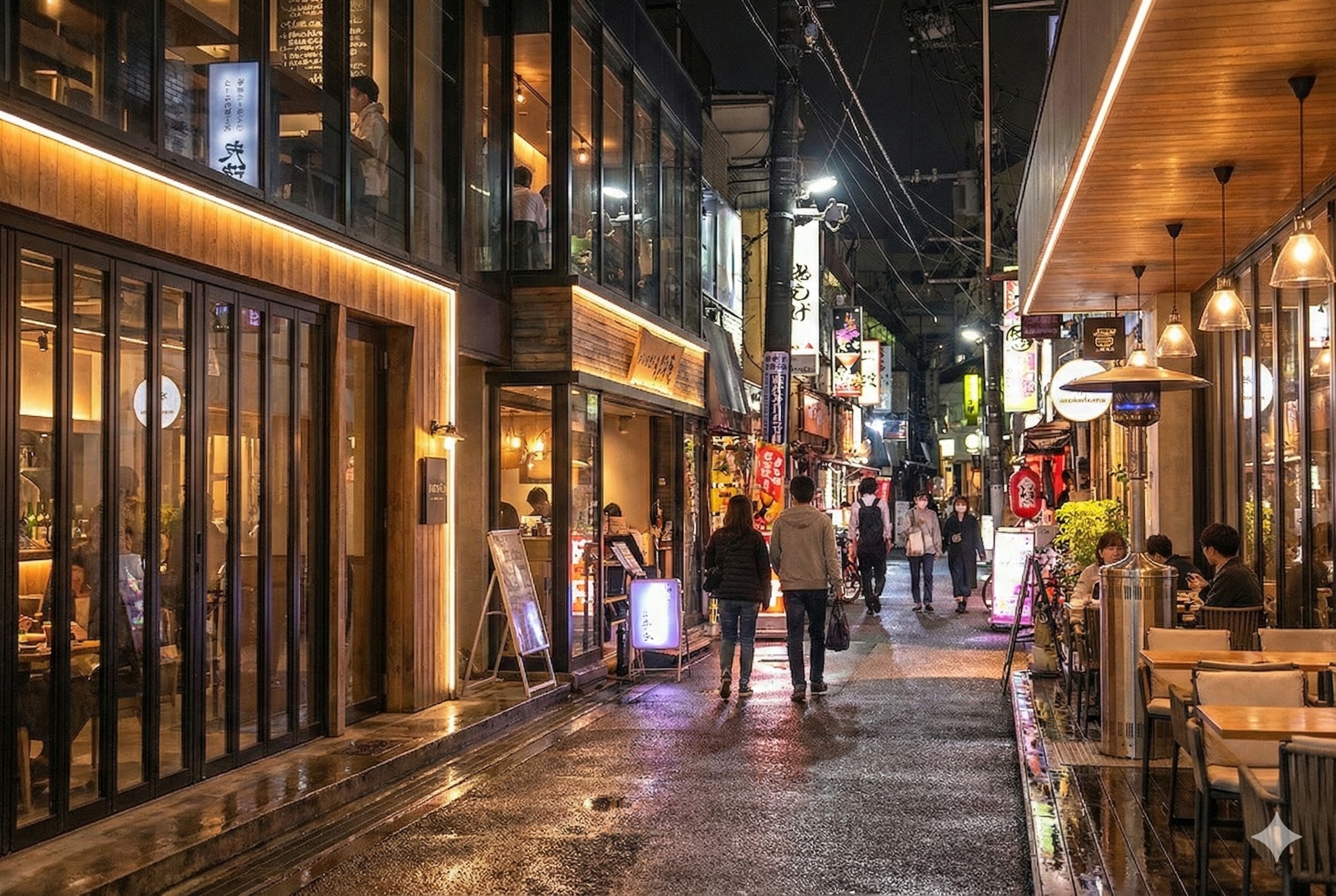
But here’s what the guides miss: Kita-Senju has quietly become one of Tokyo’s hottest dining neighborhoods. In the past few years, a wave of independent restaurants, craft beer bars, and specialty coffee shops has transformed the area’s west-exit backstreets into a genuine food destination. Japan’s most trusted food media — including major gourmet magazines and even NHK (Japan’s national broadcaster) — have been covering the “Senju Renaissance” since around 2022. The old shotengai (shopping streets) that once served only local grandmothers now attract young couples from all over Tokyo who come specifically to eat here.
And unlike Shimokitazawa or Koenji (which had similar transformations but saw prices skyrocket), Kita-Senju has stayed genuinely affordable. A full dinner with drinks at a great izakaya runs ¥2,500–4,000. Hotel rooms that would cost ¥20,000+ in Shinjuku are ¥8,000–15,000 here. You’re not making a sacrifice by staying in Kita-Senju — you’re making a smart choice.
The access is the clincher: JR, Tokyo Metro, Tobu, and Tsukuba Express all converge here, giving you five useful lines from one station. You can reach Ueno in about 9 minutes, Tokyo Station in about 18 minutes, and central west-side hubs like Shibuya in roughly 30-35 minutes depending on the route and time of day. Nippori Station is only about 5 minutes away by JR, where you can board the Keisei Skyliner to Narita Airport in about 36 minutes.
If you want a museum-first base with even faster Skyliner access, compare with the Ueno Hotel Base Guide. If you prioritize late-night neighborhoods and nonstop city energy, compare with the Shibuya Hotel Base Guide.
Must-see Kita-Senju landmarks and attractions
Kita-Senju’s core attractions form a compact route. Use this visual shortlist to choose what to see first and where a hotel should sit.
 01
01Asakusa and Senso-ji
Temple districtA nearby east-Tokyo excursion for Senso-ji, Nakamise shopping street, and old-Tokyo atmosphere.
 02
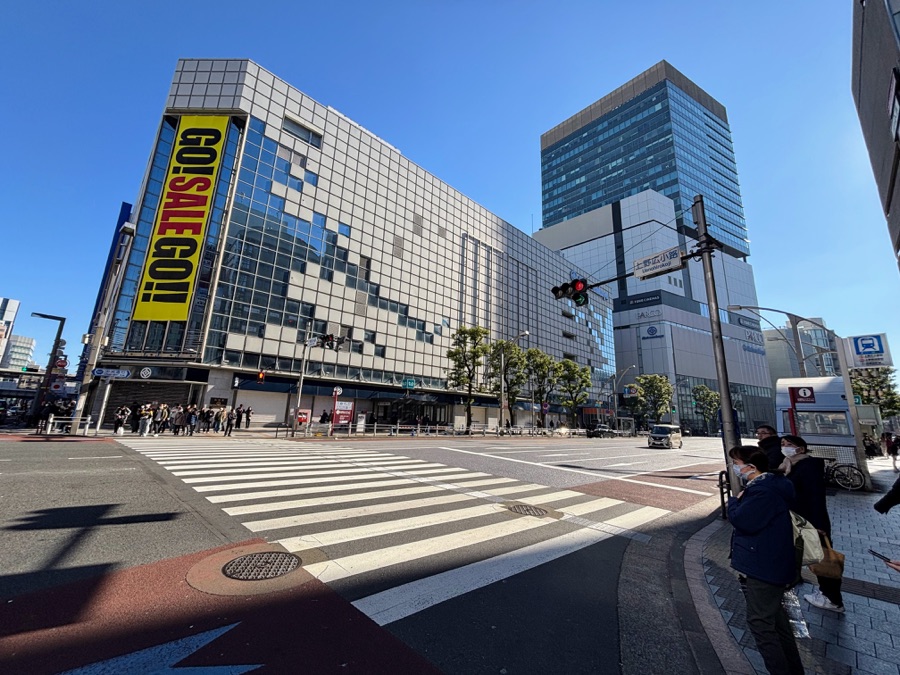
02Ueno
Museums and marketA practical east-Tokyo companion for museums, Ueno Zoo, and Ameyoko market.
 03
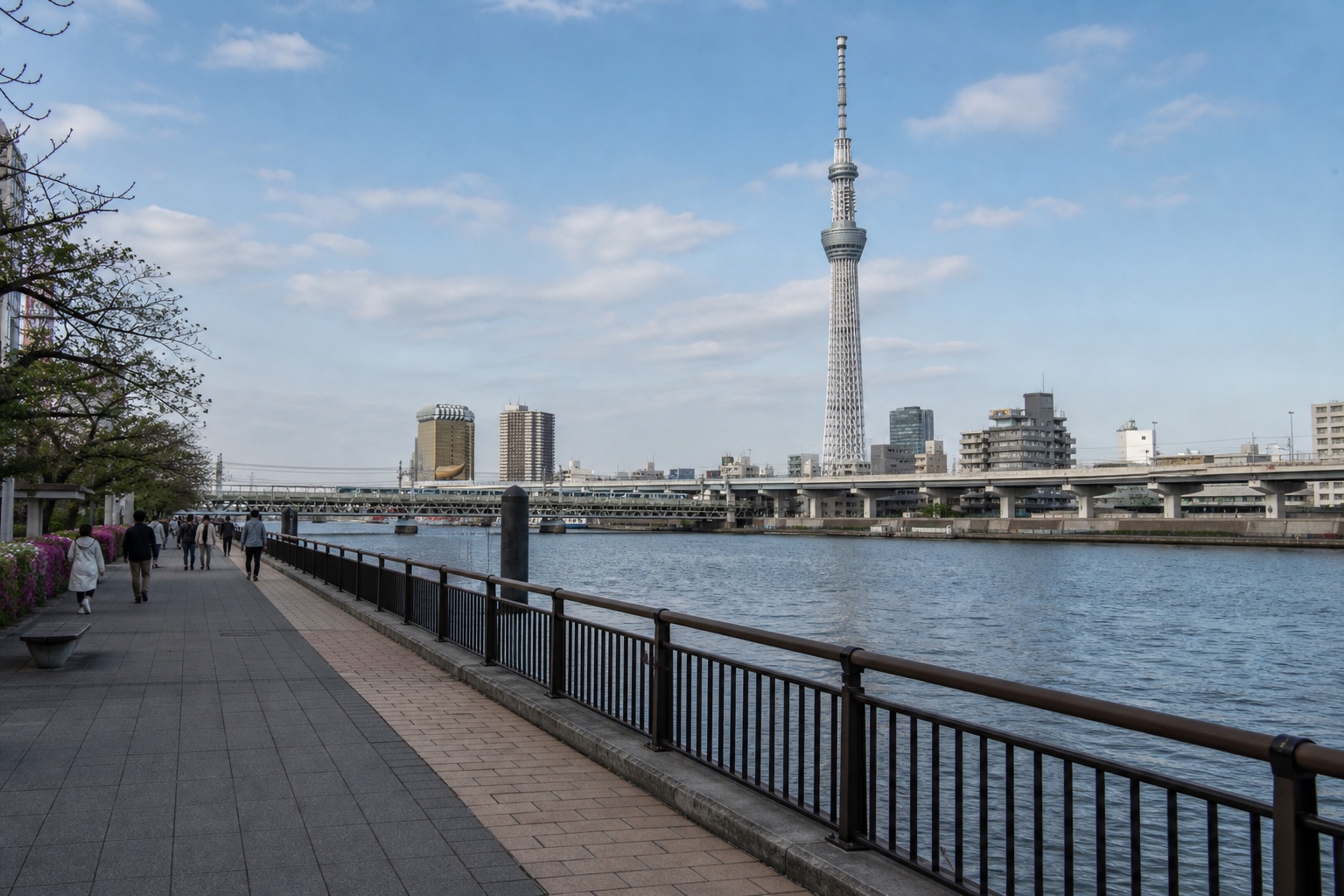
03Tokyo Skytree
Tower excursionA close east-Tokyo tower trip on the Tobu Skytree Line, even nearer than Asakusa.
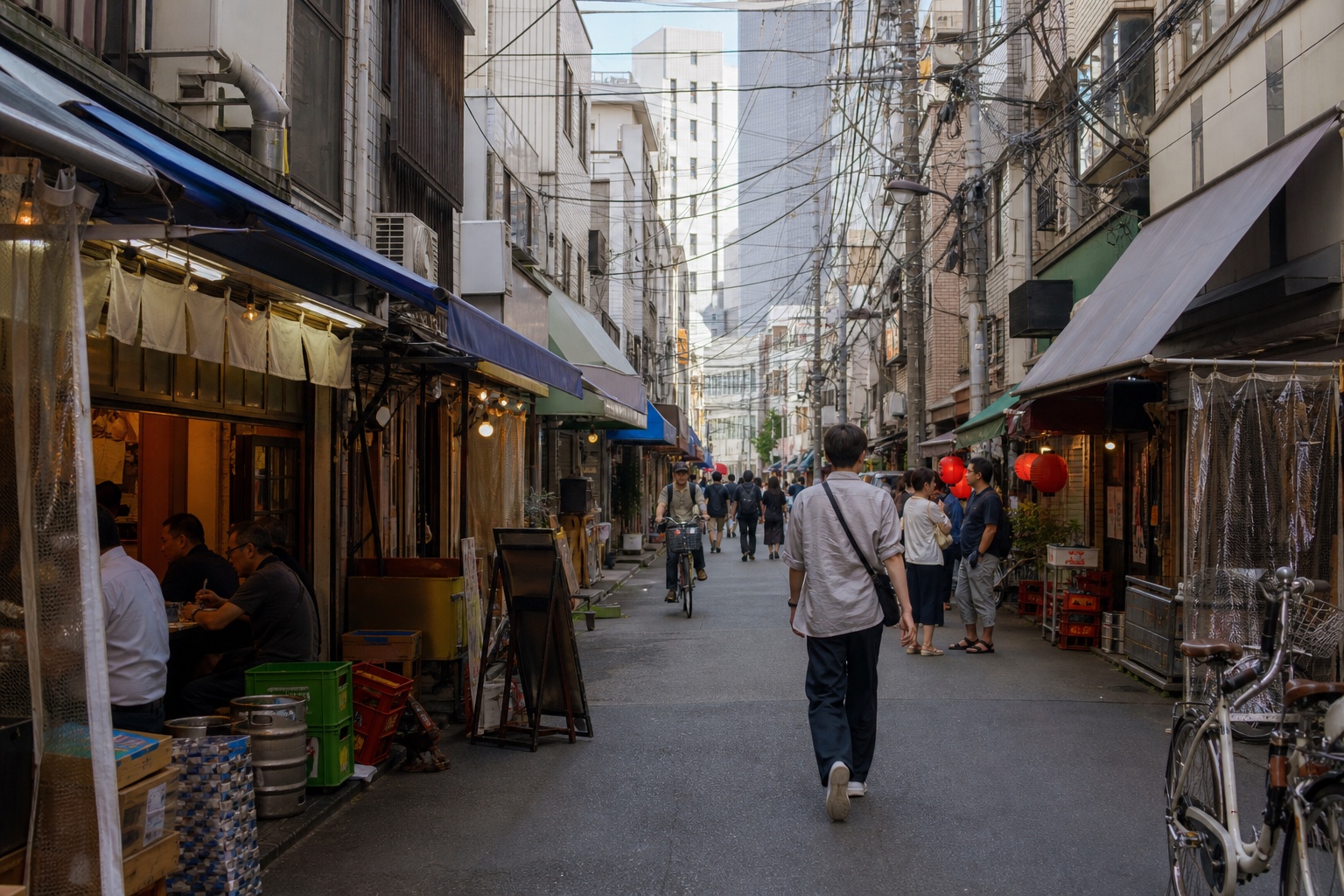
04Kita-Senju Shotengai and West-Exit Backstreets
Local street foodThe area’s main walking experience: food stalls, small shops, independent eateries, and narrow west-exit backstreets.
Why stay in Kita-Senju?
Who is Kita-Senju for?
Stay in this area if:
Kita-Senju rewards travelers who care more about eating well and saving money than being steps from a famous landmark. If any of these describe your trip, this neighborhood punches far above its weight:
- Foodies on a Budget: The restaurant scene rivals trendy neighborhoods at half the price. Izakaya, ramen, craft beer, yakitori — all excellent and all cheap.
- Families: Spacious hotel rooms are affordable here. Multiple large supermarkets and drugstores within walking distance. Marui (OIOI) department store and LUMINE right at the station.
- Narita Flyers: JR to Nippori (5 min), then Skyliner to Narita Airport (~36 min). One transfer, ~45 minutes total. No dragging luggage through Tokyo Station.
- Long-Stay Travelers: The combination of low hotel prices, real supermarkets, and 100-yen shops makes this ideal for stays of 4+ nights.
- Couples Seeking Authenticity: Skip the tourist traps. Explore backstreet izakayas and morning markets like locals do.
Skip this area if:
The trade-off for Kita-Senju’s value and food scene is distance from the classic tourist circuit and a lack of upscale accommodation. This area isn’t the right fit if:
- Luxury Seekers: No 5-star hotels. The best options are solid 3–4 star properties.
- Nightlife Hunters: No clubs. The drinking scene is izakaya-based and winds down by midnight.
- First-Time Visitors Who Want “Classic Tokyo”: If you need to be walking distance from Shibuya Crossing or Senso-ji, this isn’t it.
What Kind of Place is Kita-Senju?
The Food Scene is Genuinely Exciting
Kita-Senju’s restaurant boom isn’t marketing — it’s a real, ongoing transformation. The area around the west exit has become what food writers call a “neo-yokocho” (new alley culture): narrow streets packed with small, owner-operated restaurants that would be impossible to open in high-rent central Tokyo.
What makes it special is the mix. You’ll find a 70-year-old tempura shop next to a natural wine bar that opened last month. A Thai street food stall across from a third-wave coffee roaster. Senju has always been a working-class food town — the new wave didn’t replace the old guard, it layered on top of it.
The result is a density of good, affordable restaurants that central Tokyo simply cannot match anymore.
Five Rail Lines = Go Almost Anywhere
Kita-Senju is one of Tokyo’s most connected stations outside the Yamanote loop. Five lines converge here, covering east-side culture, west-side shopping, and airport access without complicated transfers:
- JR Joban Line (Ueno-Tokyo Line through service) -> Ueno, Tokyo Station, Shinagawa
- Tokyo Metro Hibiya Line -> Ueno, Ginza, Roppongi, Naka-meguro
- Tokyo Metro Chiyoda Line -> Otemachi, Omotesando, Yoyogi-Uehara
- Tobu Skytree Line -> Asakusa (direct), Tokyo Skytree
- Tsukuba Express -> Akihabara (direct)
Plus Nippori Station is only about 5 minutes away by JR, and Nippori is a Keisei Skyliner stop. That puts Narita Airport in practical one-transfer reach.
Hotel Prices That Make Central Tokyo Look Absurd
A clean, modern business hotel in Kita-Senju costs ¥8,000–15,000/night. The exact same hotel chain in Shinjuku or Ginza charges ¥18,000–30,000. You’re saving ¥10,000+ per night — over a 5-night trip, that’s ¥50,000 (roughly $330) back in your pocket.
And you’re not sacrificing quality. The current shortlist mixes Hotel Coco Grand’s spa-focused full-service stay, reliable chain rooms, Urbain’s station-side business format, and Grandpark Inn’s capsule-and-bath option. Compare the actual room type and station side rather than assuming every national chain has a Kita-Senju branch.
Key Areas
Kita-Senju Station is a large terminal, and the west exit and east exit have completely different characters. Which exit you use depends on your hotel location, so check before booking.
West Exit (Main Area)
90% of the dining and shopping action is on this side. Step out of the station and covered shotengai arcades radiate outward. Walk 3–5 minutes down the main street, and side alleys are packed with restaurants, izakayas, and cafes — this is the stage for the “Senju Renaissance.” LUMINE Kita-Senju connects directly on the west side. Major chains like Don Quijote, Ootoya, and Sundrug are also here.
East Exit (Marui Side)
Marui (OIOI) department store stands right in front of the station. UNIQLO, JINS, GU, and a food court are inside, with tax-free shopping available. Beyond Marui, the area becomes residential — quiet and relaxed. Several family-friendly hotels are on this side.
Shotengai Area
The multiple shotengai stretching from the west exit are the heart of Kita-Senju. Kitaroad 1010 and Sun Road are the main ones, lined with DAISO, Seria (100-yen shops), drugstores, and street food stalls selling taiyaki and croquettes. If you want to walk a real, non-touristy Tokyo shopping street, this is it.
Senju-Ohashi / Ponte Porta Area
10–12 minutes on foot from Kita-Senju Station. The large shopping complex Ponte Porta Senju has Hama Sushi, supermarkets, and more. It’s also an access point for the Arakawa River walking and jogging path.
Getting around Kita-Senju: Train Access, Airport Routes & Station Tips
Station Tips
Start with the west exit — the main shotengai and restaurant streets are all within 5–10 minutes, and this is where 90% of the dining and shopping action happens. The east exit is residential and quieter, with some hotels on this side. Switching between exits takes about a 5-minute walk through the station. The station complex includes JR, Tokyo Metro, Tobu, and TX routes, so check the operator and exit before rolling luggage.
Large-station caution: Kita-Senju has strong airport and east-Tokyo connections, but its platforms and operator areas are spread across a large complex. Use the station-building or operator map to confirm the hotel side, and allow extra time when transferring from JR to the Hibiya Line, Tobu, or TX. The “short walk” on a booking page may begin at a different operator’s gate.
For short hops south, the Hibiya Line is your best friend — it goes direct to Ueno (9 min), Ginza (22 min), and Roppongi (32 min) with no transfers. For Akihabara, take the Tsukuba Express, which runs direct in 18 minutes. The TX station is in the same complex but requires a short underground walk from the main concourse. If you’re staying 3+ days, consider renting a bicycle — the flat terrain around Arakawa River makes cycling easy, and several rental shops operate near the station.
Transport Access Table
Kita-Senju’s biggest misconception is that it’s “far from everything.” In practice, it has strong direct or one-transfer access to most major visitor zones.
| Destination | Typical Route (from Kita-Senju) | Typical Time |
|---|---|---|
| Ueno | Tokyo Metro Hibiya Line (direct) | ~9 min |
| Tokyo Station | JR Joban Line (Ueno-Tokyo Line through service) | ~18 min |
| Asakusa | Tobu Skytree Line (direct) | ~17 min |
| Akihabara | Tsukuba Express (direct) | ~18 min |
| Ginza | Tokyo Metro Hibiya Line (direct) | ~22 min |
| Roppongi | Tokyo Metro Hibiya Line (direct) | ~32 min |
| Omotesando | Tokyo Metro Chiyoda Line (direct) | ~28 min |
| Shibuya | Hibiya Line or Chiyoda Line + one transfer | ~30-35 min |
| Shinjuku | Chiyoda Line + one transfer | ~30-35 min |
| Tokyo Skytree | Tobu Skytree Line (direct) | ~15 min |
| Narita Airport | JR to Nippori + Keisei Skyliner | ~45 min |
| Haneda Airport | JR/Metro + one transfer | ~50-60 min |
For travelers deciding between east-side and west-side bases, compare this with the Asakusa Hotel Base Guide and the Akihabara Hotel Base Guide.
Airport Access
Kita-Senju’s airport access is a major selling point — especially for Narita.
| Airport | Route | Time | Cost | Notes | ||
|---|---|---|---|---|---|---|
| Narita | JR → Nippori (5 min) → Keisei Skyliner | ~45 min | ~¥2,700 | Best option. JR to Nippori in 5 min, then Skyliner direct to Narita (~36 min). Just one transfer — simple and fast. | ||
| Narita | Keisei Access Express → Aoto → Transfer | ~60 min | ¥1,270 | Budget option. Slower but less than half the Skyliner price. | ||
| Narita | THE Access Narita → Tokyo/Ginza → Metro | ~90 min | ¥1,300+ | Cheapest but slowest. Only consider for very tight budgets. | ||
| Haneda | Keikyu → Shinagawa → JR Joban Line | ~50 min | ~¥800 | Best option. Via Ueno-Tokyo Line direct trains. | ||
| Haneda | Monorail → Hamamatsucho → Hibiya Line | ~55 min | ~¥750 | Alternative via Metro. Slightly more walking at transfers. | ||
| Haneda | Limousine Bus → Ueno → Hibiya Line | ~60 min | ~¥1,200 | Good with heavy luggage. No stairs. |
Narita access is straightforward from Kita-Senju. Take the JR to Nippori (5 min), hop on the Skyliner, and you’re at Narita in about 36 minutes — 45 minutes total, one transfer only. Many Tokyo neighborhoods require multiple transfers to reach the Skyliner. From Kita-Senju, it’s clean and simple.
Shinkansen Access
Kita-Senju is not directly on a shinkansen line, but Tokyo Station is only 18 minutes away via the JR Joban/Ueno-Tokyo Line. For day trips:
- Nikko — Take the Tobu Line from Kita-Senju directly. No need to go to Tokyo Station at all. About 2 hours to Tobu-Nikko Station. This is a unique advantage of staying in Kita-Senju.
- Kawagoe (“Little Edo”) — Accessible via JR transfer at Ōmiya or via Ikebukuro.
- Kamakura / Enoshima — JR via Tokyo Station or Shinagawa, about 75 minutes total.
- Kyoto / Osaka via Shinkansen — JR to Tokyo Station (18 min) → Tokaido Shinkansen. Total about 2.5 hours to Kyoto.
The Tobu Line direct access to Nikko is a genuine differentiator. From most Tokyo hotels, getting to Nikko requires going to Asakusa first. From Kita-Senju, you board the train and go — no detours.
Safety
Kita-Senju is a very safe area. It’s a residential family neighborhood — you’ll see children walking to school alone, which tells you everything about the safety level.
- Station area: Well-lit and busy even at night. The west-exit shotengai stays lively until 21–22:00.
- East exit side: Residential and quiet. Fewer people at night, but no safety concerns.
- Note: The west-exit izakaya streets can be crowded with tipsy commuters on Friday nights, but it never reaches a troublesome level. Standard big-city common sense (watch your belongings, be aware of surroundings late at night) is sufficient.
- Koban (police box): Located in front of Kita-Senju Station.
- Convenience store density: 7-Eleven, FamilyMart, and Lawson are everywhere near the station — 24-hour lifelines for anything you might need.
Shopping and practical stores
Shopping and Practical Stores
This is not a tourist shopping area — and that’s the point. Kita-Senju has the kind of shopping that travelers actually need, all within walking distance.
- LUMINE Kita-Senju (station-connected) — Fashion (UNIQLO, MUJI, Zoff), cosmetics, food hall. No rain, no detours.
- Marui (OIOI) Kita-Senju (east exit, 2 min) — Tax-free department store. UNIQLO, JINS, GU. Good for bulk shopping.
- Shotengai (west exit) — Arcades radiating from the station. DAISO, Seria (100-yen shops), drugstores (Matsumoto Kiyoshi, Sundrug), street food stalls. Souvenirs and daily essentials.
- Don Quijote Kita-Senju West Exit — Late-night discount store. Snacks, electronics, cosmetics, suitcases. Tax-free available.
- EQUiA Kita-Senju (inside station) — Matsumoto Kiyoshi, Yoshinoya, Starbucks inside the ticket gate area. Handy for transit shopping.
- Large Supermarkets — Ito-Yokado, SEIYU, and others within walking distance. Essential for families and long-stay travelers buying breakfast supplies or snacks.
No need to make shopping trips to Shinjuku or Shibuya. Everything is here.
Chain Stores and Convenience Reference
| Brand | Store | Category | Access | Official | Maps | Notes |
|---|---|---|---|---|---|---|
| Don Quijote | Kita-Senju Store | Discount Store | 5 min from station | Open | Map | Open late, tax free |
| LUMINE | Kita-Senju | Department Store | Direct station connection | Open | Map | Fashion, cosmetics, food hall |
| Marui (OIOI) | Kita-Senju | Department Store | 2 min from station | Open | Map | Tax free shopping |
| DAISO | Kita-Senju Store | 100 Yen Shop | 5 min from station | Open | Map | In shotengai area |
| Matsumoto Kiyoshi | Kita-Senju Store | Drugstore | 3 min from station | Open | Map | Tax free, cosmetics |
| Ito-Yokado | Kita-Senju Store | Supermarket | 8 min from station | Open | Map | Large supermarket, essentials |
| Seria | Kita-Senju Store | 100 Yen Shop | Near station | Open | Map | — |
| UNIQLO | LUMINE Kita-Senju | Clothing | Station direct (LUMINE) | Open | Map | Tax free |
| UNIQLO | Marui Kita-Senju | Clothing | East exit, 2 min | Open | Map | Tax free |
| GU | Kita-Senju | Clothing | Near station | Open | Map | — |
| MUJI | LUMINE Kita-Senju | Lifestyle / Clothing | Station direct (LUMINE) | Open | Map | — |
| Matsumoto Kiyoshi | EQUiA Kita-Senju | Drugstore | Inside station | Open | Map | Inside ticket gates |
| Sundrug | Kita-Senju Store | Drugstore | 5 min from station | Open | Map | Tax free |
| JINS | Marui Kita-Senju | Eyewear | East exit, 2 min | Open | Map | — |
| Zoff | LUMINE Kita-Senju | Eyewear | Station direct (LUMINE) | Open | Map | — |
| Yoshinoya | EQUiA Kita-Senju | Beef Bowl | Station direct (EQUiA) | Open | Map | Open late / 24h |
| Matsuya | Kita-Senju Store | Beef Bowl | 1–2 min from station | Open | Map | 24h |
| Ootoya | Kita-Senju West Exit | Set Meal | West exit, 1 min | Open | Map | — |
| Hama Sushi | Ponte Porta Senju | Conveyor Sushi | 10–12 min walk | Open | Map | Edge of walking range |
| Saizeriya | Kita-Senju | Family Restaurant | Near station | Open | Map | — |
| Komeda Coffee | Honcho Center-dori | Cafe | Few min walk | Open | Map | Free morning toast set with drink |
| Starbucks | EQUiA Kita-Senju | Cafe | Station direct (EQUiA) | Open | Map | — |
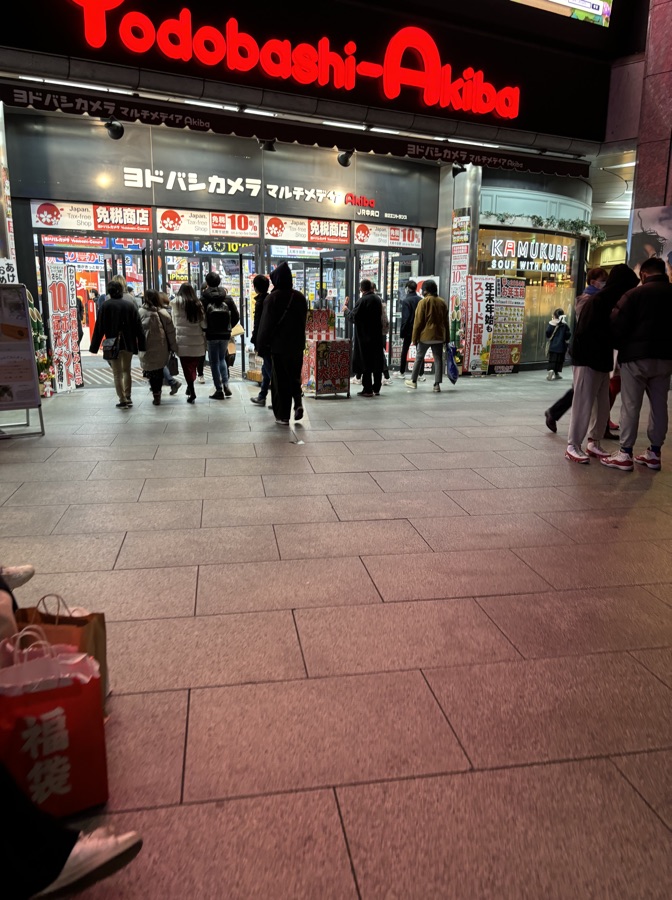
Not in the area: Yodobashi Camera, Bic Camera (no electronics megastores), Pokemon Center, Nintendo TOKYO, department stores (Isetan, Takashimaya, Mitsukoshi, Daimaru), Sushiro, Kura Sushi (major conveyor sushi chains are outside walking range), Ichiran, Ippudo.
Best hotels in Kita-Senju
Hotel Character
The hotel landscape: Kita-Senju has no luxury properties, but it has a strong lineup of modern business hotels from reliable national chains. Room rates are typically 40–60% cheaper than equivalent properties in Shinjuku, Ginza, or Tokyo Station area. For families and longer stays, the savings are significant.
- ★★★★★8.5/10
Hotel Coco Grand Kita-Senju
Mid-range + rooftop bath8.5/10 (Booking.com) • From ¥12,000 A step above the typical business hotel with stylish interiors and a rooftop open-air bath. The most “special” hotel option in the area.
Pros:Rooftop open-air bath (rare for this price) Stylish rooms with quality bedding Good restaurant on-site
From ¥12,000+/nightTrade-off: Slightly further from station (7 min walk) Limited availability on weekends
📍 7 min from Kita-Senju Station · 🗺️ Map🗺️ Map - ★★★★★7.5/10
Toyoko Inn Kita-Senju Eki Nishi-guchi
Budget7.5/10 (Booking.com) • From ¥7,000 Japan’s largest business hotel chain. You know exactly what you’re getting: clean, small, functional. Free rice-ball breakfast.
Pros:Cheapest reliable option Free breakfast (simple but sufficient) Toyoko Inn members get discounts
From ¥7,000+/nightTrade-off: Rooms are very compact Decor is dated compared to newer chains
📍 3 min from Kita-Senju Station · 🗺️ Map🗺️ Map - ★★★★★8.0/10
HOTEL EMIT Ueno
Design8.0/10 (Booking.com) • From ¥9,000 If Kita-Senju hotels are full, Ueno is only 9 minutes away by Hibiya Line and has more hotel inventory. EMIT is a modern, design-forward property near Ueno Station with good access to both Kita-Senju’s food scene and Ueno’s museums.
Pros:Modern, design-forward Ueno property More hotel inventory when Kita-Senju is full Nine-minute Hibiya Line connection
From ¥9,000+/nightTrade-off: The hotel is in Ueno, not Kita-Senju Requires a train ride for Kita-Senju dining Less local than staying beside the shotengai
📍 Ueno Station (9 min by Hibiya Line) · 🗺️ Map🗺️ Map - ★★★★★Not rated
Urbain Tokyo Ueno Kitasenju
Business / StationA simple, current business hotel three minutes from Kita-Senju's west exit. The hotel has Simmons beds, free Wi-Fi and drinks, non-smoking rooms, and double, twin, and Japanese-style options.
Pros:Three-minute west-exit walk All rooms non-smoking Free drinks and Wi-Fi Multiple room types
Price: Check current ratesTrade-off: A straightforward business stay with fewer leisure facilities than Hotel Coco Grand
📍 Kita-Senju Station West Exit 3 min · 🗺️ Map🗺️ Map - ★★★★★Not rated
Grandpark Inn Kitasenju
Capsule / SpaA capsule-and-cabin stay five minutes from JR Kita-Senju, with a large public bath, dry sauna, manga lounge, and women-only floor. Choose it when price and recovery facilities matter more than a conventional private room.
Pros:Large public bath and sauna Manga lounge and work area Women-only floor Five-minute station walk
Price: Check current ratesTrade-off: Capsule/cabin format and shared facilities are not the same experience as a standard hotel room
📍 JR Kita-Senju Station 5 min · 🗺️ Map🗺️ Map
Summary
Kita-Senju is not a postcard neighborhood, and that’s exactly why it works. You get lower hotel prices, a deeper local food scene, and practical station access without paying central-Tokyo premiums. The trade-off is simple: fewer luxury properties and less classic tourist atmosphere on your doorstep.
If your trip is food-first, value-conscious, or Narita-heavy, Kita-Senju is one of the strongest base options in Tokyo right now.
Things to do in Kita-Senju
Day vs. Night
Daytime Kita-Senju
The best way to spend a morning in Kita-Senju is to walk and eat through the shotengai — grab taiyaki, croquettes, and yakitori sticks from street vendors as you go. Zero tourists, pure authentic local experience. Some shotengai shops open as early as 7–8 AM with fresh produce, tsukemono (pickles), and tamagoyaki (rolled egg), making the Senju morning market a genuinely rewarding early start.
For rain-proof shopping and a food court lunch, LUMINE is directly connected to the station. When the weather is good, the Arakawa River is a 10-minute walk away — ideal for cycling or jogging, and during hanami season it’s one of Tokyo’s best and least crowded cherry blossom spots. Kita-Senju also has a unique perk for day trips: the Tobu Line runs direct to Nikko, giving you access to World Heritage shrines and mountain scenery without any transfers.
Nighttime Kita-Senju
The west exit backstreets come alive after dark, with small independent izakayas, craft beer bars, and wine bars packed into narrow alleys — it’s a genuine bar-hopping paradise. The legendary standing-bar Oohashi is a must-visit for nikomi and sake in a deep local atmosphere.
The shotengai closes around 21–22:00, but izakayas keep serving until 23:00 or midnight. After midnight, your options narrow to ramen shops, gyudon chains like Yoshinoya and Matsuya (both 24 hours), and convenience stores. There’s no club or late-night bar scene like Roppongi or Shibuya — this is a neighborhood for drinking well and heading home at a reasonable hour.
Where to Eat and Drink
Kita-Senju is not a neighborhood where you consult a restaurant guide — it’s a neighborhood where you wander and discover. The best meals here happen when you turn down a side street you weren’t planning to explore and find a tiny counter shop with 8 seats and a handwritten menu. That said, here are anchor points to start from.
Best Restaurants in Kita-Senju
The west exit backstreets are the main event. Walk through the shotengai, take any left or right turn, and you’ll find yourself in a maze of small restaurants. The concentration is remarkable — easily 200+ independent eateries within a 10-minute walk of the station.
Tabelog ratings in Kita-Senju are consistently high for the price bracket. Many izakayas here score 3.4–3.6 on Tabelog (which, for those unfamiliar, is considered genuinely excellent — Tabelog is far stingier with ratings than Google Reviews). You’d need to spend 2–3x more in Ginza to find the same scores.
Notable spots:
Oohashibon
One of Tokyo’s most legendary standing-bar (tachinomi) izakayas. It’s been here for decades, serves simple dishes like nikomi (stewed offal) and cold tofu, and costs almost nothing. Cash only, no English, standing only. This is the real deal.
Tensui
High-quality tempura at izakaya prices. The tendon (tempura rice bowl) at lunch is around ¥1,000 and would cost ¥2,500+ in a central Tokyo tempura restaurant. Local favorite.
Craft beer bars
Several excellent ones have opened in the past 2–3 years along the west-exit streets. The craft beer scene here mirrors what happened in Shimokitazawa 5 years ago, but with cheaper pints.
Senju no Seki
Quality sushi at neighborhood prices. Not a conveyor belt — a proper counter sushi experience for ¥3,000–5,000 per person.
Late-Night Food in Kita-Senju
Kita-Senju is a commuter hub, and commuters eat late. The area around the station has plenty of options past 22:00:
- Ramen shops stay open until midnight or later. Multiple strong options within 3 minutes of the station — look for the ones with lines (a line at 23:00 means it’s good).
- Yoshinoya, Matsuya, Sukiya — The big three gyudon chains are all here, open 24 hours. Reliable ¥400–600 meals at any hour.
- Izakayas near the east exit tend to serve food until 23:00–midnight. Last order is typically 30 minutes before closing.
- Don Quijote has packaged food (onigiri, bento, snacks) available 24 hours if all restaurants are closed.
For very late arrivals (past midnight), options narrow to chains and convenience stores — but Kita-Senju has an unusual density of konbini (7-Eleven, FamilyMart, Lawson) so you won’t go hungry.
Family-Friendly Restaurants in Kita-Senju
Kita-Senju is actually one of the better areas for families, because the restaurants here are local and relaxed — not the cramped, reservation-only places you find in Shibuya or Roppongi.
- LUMINE food court (5F) — Multiple options, spacious seating, high chairs available. Udon, ramen, tonkatsu, and set meals. This is the easiest option with small children.
- Ito-Yokado food court — Similar to LUMINE but even more casual. Good for quick, no-stress meals.
- Family restaurants (Famiresu) — Gusto and Jonathan’s are both near the station. Full menus with kids’ options, drink bars, and spacious booths. Not exciting, but reliable and stress-free.
- Shotengai takeout — Walk the covered shopping streets and pick up taiyaki (fish-shaped pastry), korokke (croquettes), yakitori skewers, and other street snacks. Kids love the variety and the “choose your own adventure” feel.
Popular New Restaurants in Kita-Senju
Kita-Senju’s restaurant scene is evolving fast. Over the past few years, a wave of bistros, Italian spots, and modern izakayas has opened up — the same kind of transformation that happened in Shimokitazawa and Nakameguro, but at half the rent. Here’s what’s hot right now.
Date Night & Special Occasions:
- MOTORA — A seasonal omakase-style Italian restaurant with excellent wine pairings. Spacious seating and a calm atmosphere. Reviewers call it “perfect for anniversaries.”
- Senjuyado Gen — Creative Japanese cuisine blending fish and meat in thoughtful courses. Sake and wine pairing suggestions are a highlight. Near-perfect reviews — a true hidden gem.
- Trattoria Bar Il Poltrone — A tiny, family-run Italian on the 3rd floor of a building. Handmade pasta and warm hospitality. “The place to go when you want to take your time over a meal.”
Casual Dining & Drinks:
- Washoku Bistro Kan — Japanese-Western fusion small plates designed to pair with wine. Wagyu tataki, chicken liver pâté — bistro quality at izakaya prices. Known for exceptionally attentive service.
- Bistro Ookami — A French-Italian bistro with course-style meat dishes and a deep wine list. Stylish enough for a date, relaxed enough for a group dinner.
- Itameshi Shingitai — A modern Italian-leaning izakaya open late. The closing pasta dish is a hit. Works equally well for a quick drink or a full course. Reviewers consistently praise the value.
Second Bar / Nightcap:
- Cajyulabo — Dim lighting, grown-up vibes, wine and craft beer with Western-style bar snacks. “Perfect second stop on a date” and “great for solo drinking” are the most common reviews.
Seafood & Bar-Hopping:
- Sake to Sakana Senju 845 ( 845) — A seafood-forward izakaya with excellent sashimi and Japanese sake. Strong local following — “great fish, great value” sums up the reviews. An ideal starting point for a Kita-Senju bar hop.
- NIHIRO — Farm-to-table Chinese small plates paired with drinks. Instagram-worthy dishes attract a younger crowd, especially women’s groups and couples.
The takeaway: many of these restaurants score 3.4–3.6 on Tabelog — ratings that would require spending 2–3x more in Ginza or Ebisu. Kita-Senju’s “cheap and excellent” window is open right now, and it won’t last forever.
For a proper sit-down family dinner, the izakayas on the main shotengai tend to be more spacious and accommodating than the backstreet ones. Look for places with table seating rather than counter-only.
Cafes
Kita-Senju’s cafe scene has two layers: chain cafes inside or near the station, and independent specialty shops in the west-exit backstreets.
Chain Cafes:
- Starbucks (EQUiA Kita-Senju) — Inside the station complex. The most convenient cafe for a quick coffee before departure or between transfers.
- Komeda Coffee (Kita-Senju Honcho Center-dori) — Nagoya-style morning set: order any drink and get free toast + boiled egg. Spacious sofa seating. A solid breakfast alternative.
Independent Cafes:
Several specialty coffee roasters and cafes have opened in the backstreets behind the west-exit shotengai — part of the same wave transforming Kita-Senju’s restaurant scene. Names and opening dates are fluid, but walk the west-exit alleys and you’ll find them.
LUMINE Kita-Senju also has a cafe floor accessible from the station without getting wet on rainy days.
Nearby side trips from Kita-Senju
Nikko is the standout day trip from Kita-Senju — World Heritage shrines surrounded by nature, reachable in about 2 hours via the Tobu Line with no transfers required. Closer to home, Asakusa and Sensoji temple are just 17 minutes away on the Tobu Skytree Line, and Tokyo Skytree is even closer at 15 minutes on the same line. Ueno‘s museums, park, and Ameyoko market are a quick 9-minute ride on the Hibiya Line, while Akihabara‘s electronics and anime district is 18 minutes direct on the Tsukuba Express.
Landmarks and nearby area guides
Ueno
The cultural heart of Tokyo’s east side, just 9 minutes south by Hibiya Line. Home to Tokyo National Museum, Ueno Zoo, and Ameyoko market — the busiest and most diverse street market in the city.
Asakusa
Temple streets and old-Tokyo atmosphere. Sensoji, Nakamise shopping street, and the Sumida River waterfront. 17 minutes by Tobu Skytree Line.
Shinjuku
Late-night shopping and nightlife intensity. The biggest station in the world, surrounded by department stores, izakaya alleys, and Kabukicho entertainment district.
Directions from Kita-Senju
FAQ
Is Kita-Senju safe?
Very safe. It’s a residential family neighborhood. You’ll see children walking to school alone, which tells you everything about the safety level.
Is it too far from central Tokyo?
No. 9 minutes to Ueno, 18 to Tokyo Station, 22 to Ginza — all direct. The “far” perception comes from its location outside the Yamanote loop, but the actual travel times are comparable to staying in Ikebukuro or Shinagawa.
Do restaurants have English menus?
Chain restaurants and LUMINE food court: yes. Independent izakayas and shotengai shops: usually no. Google Translate’s camera function works well for handwritten menus.
Can I use Suica/Pasmo for everything?
Yes. All five rail lines and most shops accept IC cards. The only exception is some very small shotengai vendors (cash only).
How do I get to Narita Airport?
Take the JR from Kita-Senju to Nippori Station (~5 min), then board the Keisei Skyliner to Narita (~36 min). Total: about 45 minutes, one transfer. The Skyliner requires a reserved seat — book online or at Nippori Station. During peak hours, booking a day ahead is recommended.
Explore more Tokyo areas
Compare nearby bases before booking to match your route and budget.
Some links below are affiliate links. If you book through them we may earn a small commission at no extra cost to you.