Where to Stay near Tokyo Station: Best Hotels in Marunouchi & Otemachi
Tokyo Station is not just a station. It is the origin point of Japan’s entire rail network — the literal kilometer zero from which distances are measured. Shinkansen bullet trains, JR commuter lines, and multiple metro lines converge here, making it the most powerful transit hub in the country.
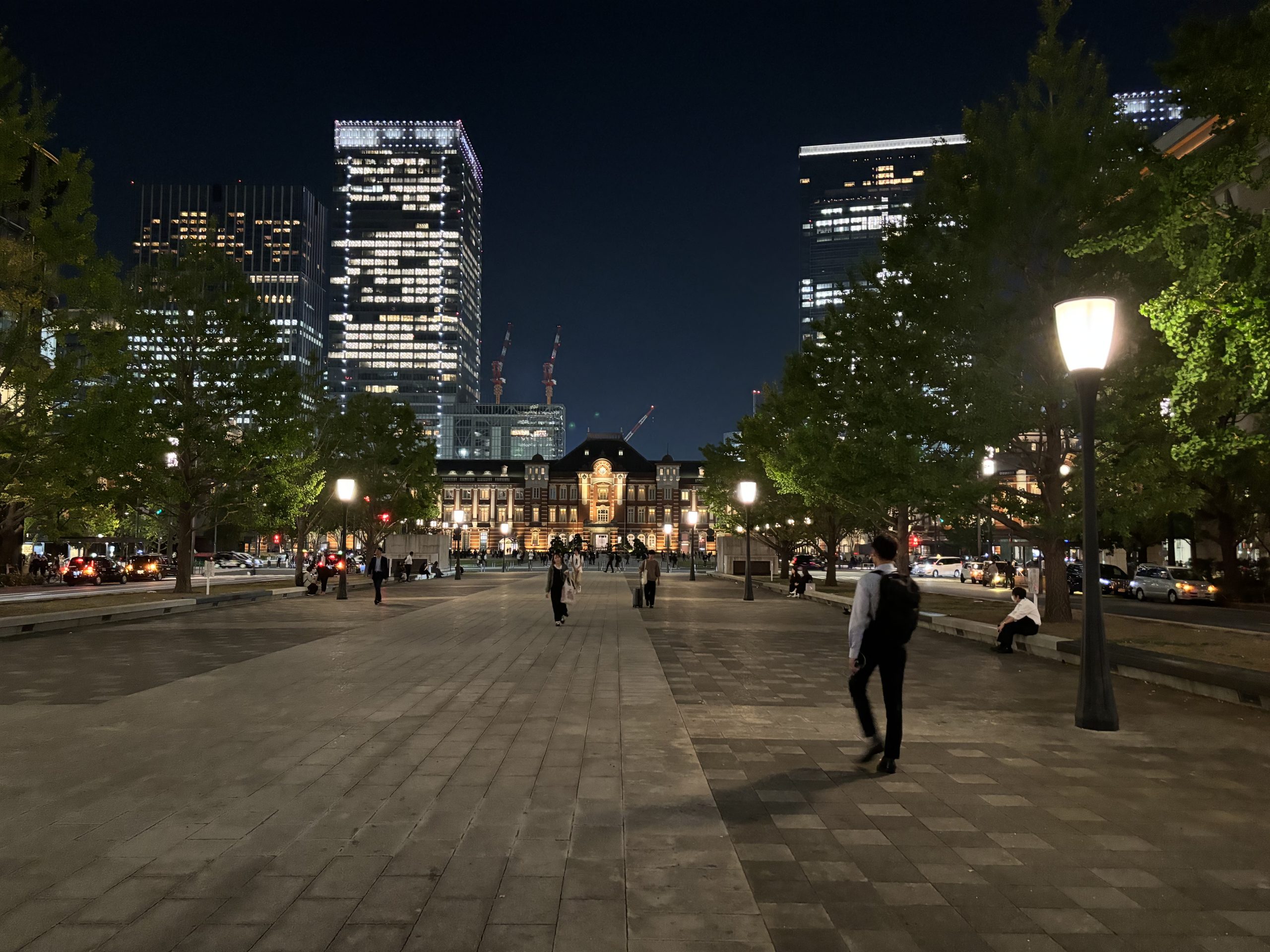
The Marunouchi side faces the Imperial Palace across a grand plaza, with the iconic 1914 red brick station building and Tokyo’s most prestigious business district. The Yaesu side is a commercial zone of high-rise towers and a massive underground shopping street. Otemachi, connected to Tokyo Station by underground passages, adds five more metro lines within walking distance.
Quick links
Is Tokyo Station a good area to stay in Tokyo?
Short answer: strategically, it’s the strongest base in Tokyo. But you pay for that advantage.
Yes — here’s why: Tokyo Station’s unmatched transit network and central location make it a powerful base for several types of travelers.
- Shinkansen platforms are inside the station — zero transfers to Kyoto, Osaka, Sendai, Kanazawa
- Narita Express (N’EX) runs direct — about 55 minutes to Narita Airport, reserved seats
- 10+ JR and metro lines within walking distance
- Walk to Ginza in 15 minutes, Yurakucho in 10 minutes
- Safety is top-tier — business district means quiet, well-lit streets at night
No — here’s why: The area’s premium pricing and business-district character introduce real tradeoffs.
- Hotel prices are among the highest in Tokyo — even business hotels start around ¥15,000+
- Nights are quiet — Marunouchi side shuts down by 9 PM, not ideal for nightlife
- The station is enormous and confusing — 8+ JR ticket gates, Keiyo Line platform is a 10+ minute walk from other platforms
- Limited everyday shopping — few supermarkets and no discount stores in the immediate area
Who this area is ideal for:
- Shinkansen travelers → best possible base
- Business trips to Marunouchi/Otemachi → direct connection, maximum efficiency
- Families prioritizing transit efficiency → works, but watch the budget
- Nightlife seekers → choose Shinjuku or Shibuya instead
- Budget travelers → Kanda, Hatchobori, or Nihonbashi offer much better value (1-2 stations from Tokyo Station)
Must-see Tokyo Station, Marunouchi & Otemachi landmarks and attractions
Tokyo Station, Marunouchi & Otemachi’s core attractions form a compact route. Use this visual shortlist to choose what to see first and where a hotel should sit.
 01
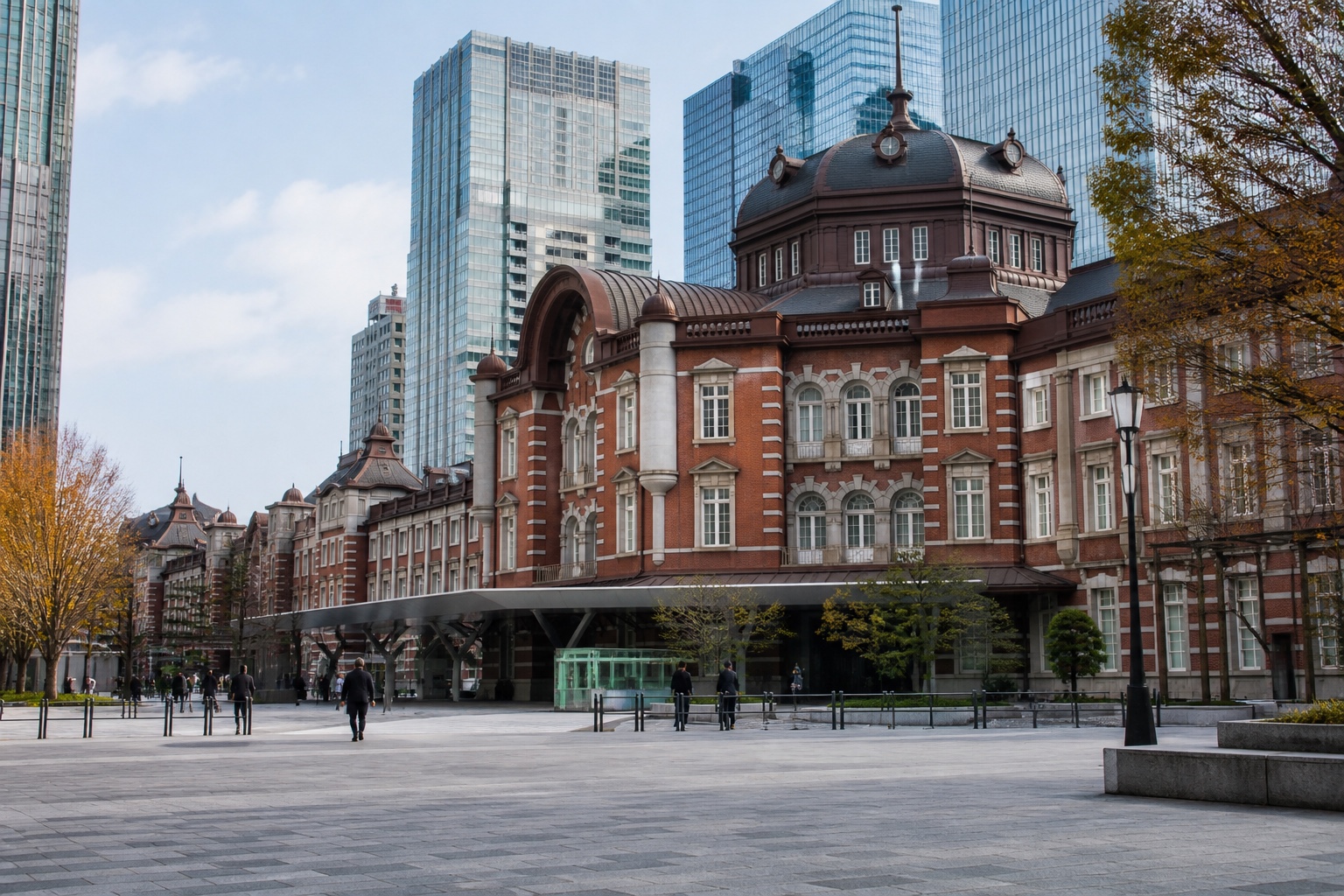
01Tokyo Station Marunouchi Building
Red-brick stationThe restored red-brick building faces Marunouchi plaza and anchors the area’s rail, shopping, and sightseeing routes.
 02
02Imperial Palace East Gardens
Palace gardensOpen grounds with Edo Castle ruins and old guard posts create a quiet contrast to the office towers.
 03
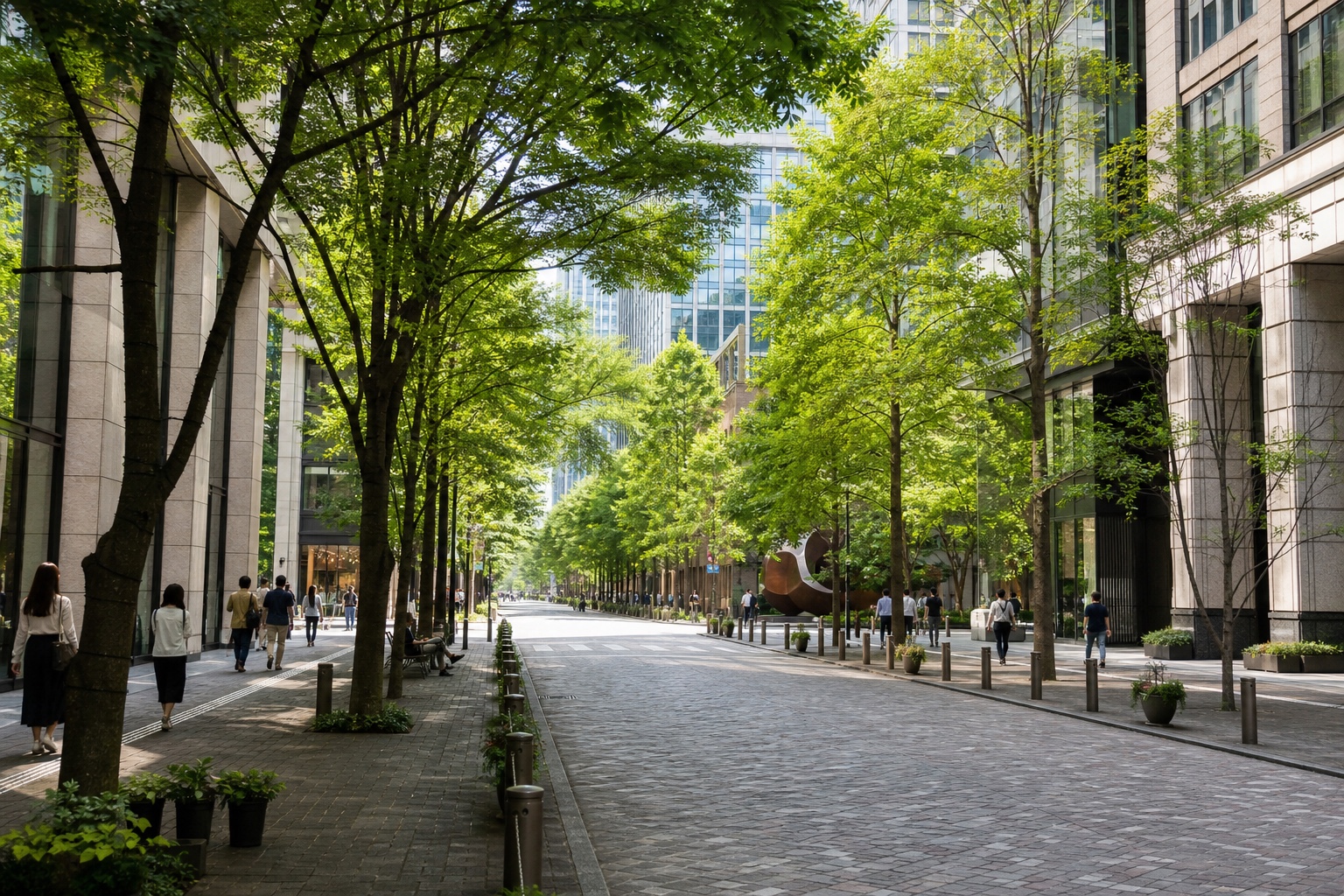
03Marunouchi Naka-dori
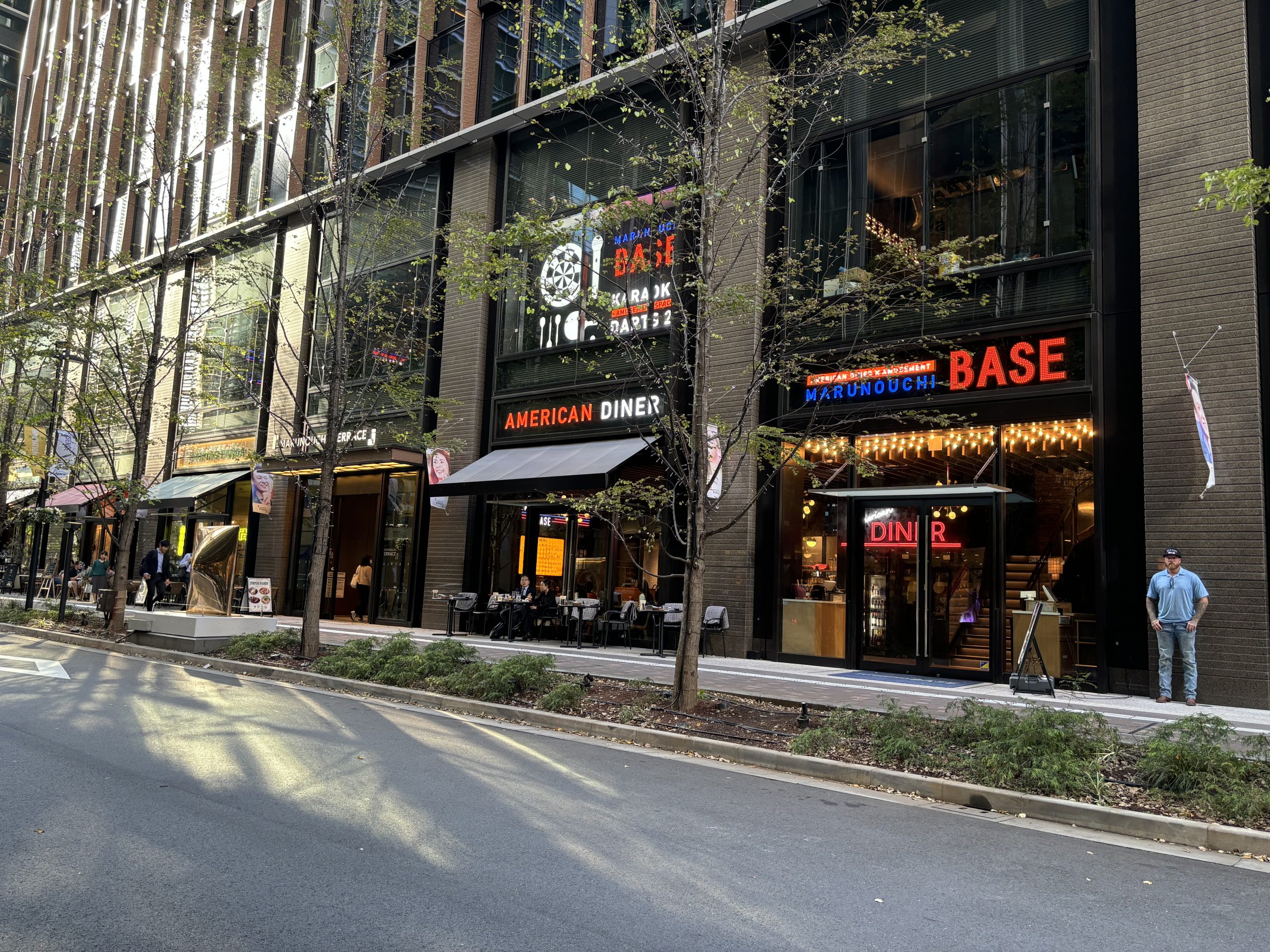
Tree-lined promenadeA tree-lined promenade lined with luxury-brand boutiques across the Marunouchi side.
 04
04Tokyo Character Street
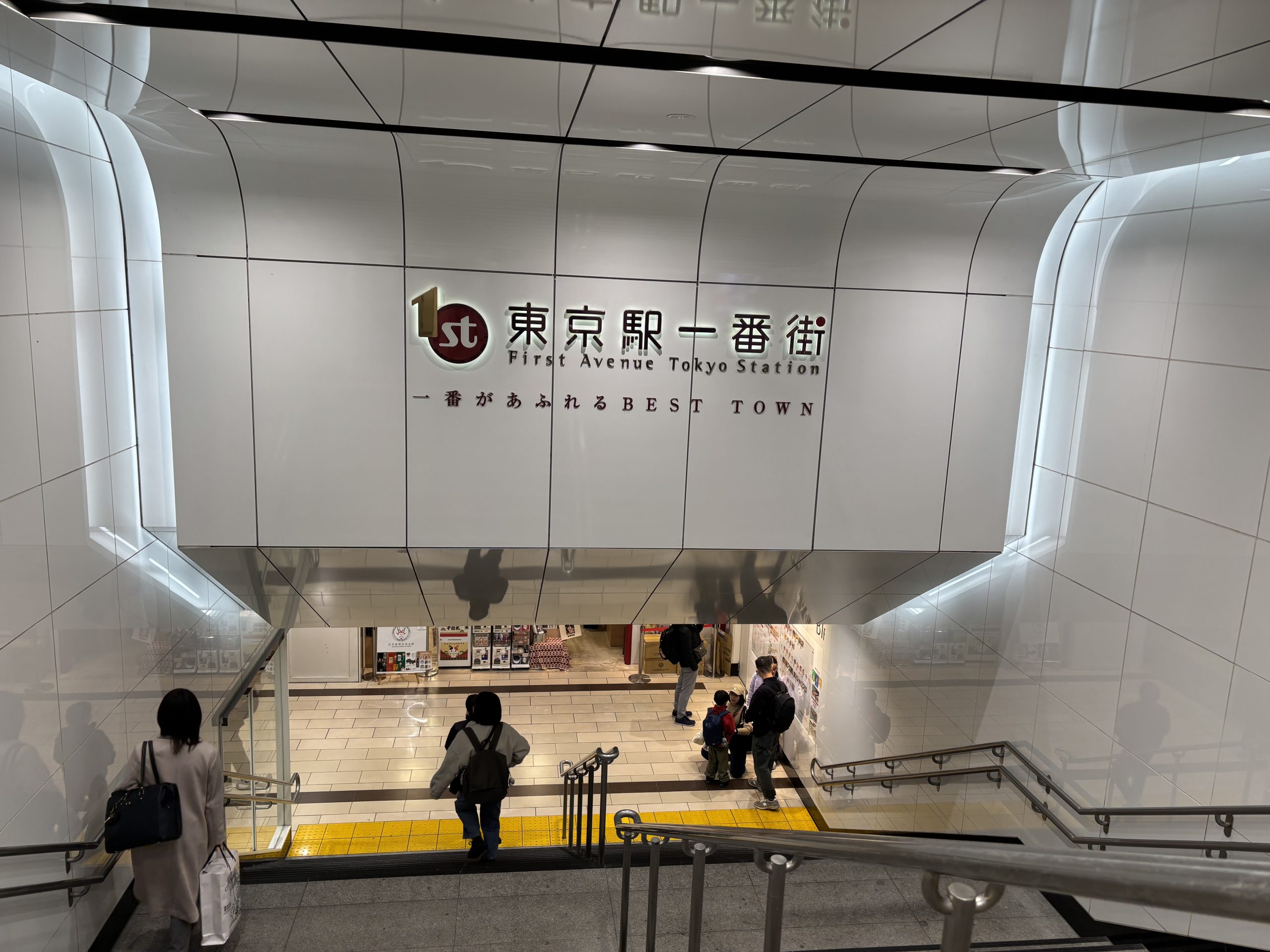
Character shoppingFirst Avenue’s basement features official character shops including Pokémon, Jump, and NHK stores.
Why stay near Tokyo Station, Marunouchi and Otemachi?
The area wins on logistics rather than nightlife. Shinkansen platforms, the Narita Express, JR commuter lines, Tokyo Metro connections and the Imperial Palace all sit within one compact decision zone. That makes it especially strong for travelers carrying luggage, combining Tokyo with Kyoto or Osaka, or moving through several parts of the city in a short stay.
The tradeoff is visible after office hours. Marunouchi and Otemachi feel polished and safe but can be quiet by around 9 PM. Yaesu has the better late meal selection, yet the station itself is large enough to turn a simple exit into a ten-minute walk. If your priority is bars, club energy or low room rates, compare this base with Shinjuku for nightlife or Akihabara for value and east-Tokyo access.
Best reasons to choose it
- Direct Shinkansen departures to Kyoto, Osaka, Sendai and Kanazawa.
- Narita Express access without changing trains.
- Walkable connection to Ginza, Yurakucho and the Imperial Palace.
- Strong choice for business trips and short, route-heavy itineraries.
What to accept
- Room rates are usually higher than in Kanda, Ueno or Asakusa.
- Marunouchi restaurants and streets become quiet early.
- The Keiyo Line and some exits require a long internal station walk.
- Everyday supermarkets and discount retailers are limited nearby.
Getting around from Tokyo Station
The center of Japan’s rail network. Every destination has a shorter, simpler route from here than from almost anywhere else.
Tokyo Station’s transit strength comes down to two things: the sheer number of lines and direct Shinkansen access.
- JR Tokyo Station: Yamanote, Keihin-Tohoku, Chuo Rapid, Sobu Rapid, Yokosuka, Keiyo, Tokaido, Ueno-Tokyo Line
- Tokyo Metro: Marunouchi Line (Tokyo Station). Otemachi Station (connected by underground passage, 5-8 min walk) adds Chiyoda, Hanzomon, Tozai, and Toei Mita Lines
- Shinkansen: Tokaido (Kyoto/Osaka), Tohoku (Sendai/Morioka), Joetsu (Niigata), Hokuriku (Kanazawa/Tsuruga), Hokkaido (Shin-Hakodate-Hokuto)
- Highway buses: Bus Terminal Tokyo Yaesu on the Yaesu side runs long-distance routes nationwide
Important: The Keiyo Line platform (for Disney Resort) is at the far south end of the station, a 10+ minute walk from other JR platforms. Allow extra transfer time if this is your first visit.
Station map before luggage: Tokyo Station, Otemachi, and the connected underground passages have long internal walks. Tokyo Metro’s official guide identifies the Marunouchi Building elevator-only route and the Oazo-side elevator route; JR East’s Tokyo station map marks elevators, escalators, and accessible slopes. Check the Tokyo Metro accessibility guide and English station map for the hotel side, especially when connecting to the Keiyo Line.
Open Tokyo Station on Google Maps
Transport Access Table
| Destination | Mode | Route | Transfers | Time | Fare | Notes |
|---|---|---|---|---|---|---|
| Shinjuku | JR | Chuo Rapid Line (direct) | 0 | ~14 min | ¥210 | Rapid stops at Kanda, Ochanomizu, Yotsuya only |
| Shibuya | JR | Yamanote Line (direct) | 0 | ~24 min | ¥210 | Outer loop via Shinagawa |
| Ginza | Metro | Marunouchi Line → Ginza | 0 | ~2 min | ¥180 | Also walkable (~15 min via Yurakucho) |
| Asakusa | Metro | Marunouchi → Otemachi → Hanzomon Line | 1 | ~15 min | ¥210 | Transfer at Otemachi. Alt: Kanda → Ginza Line |
| Ueno | JR | Yamanote / Keihin-Tohoku (direct) | 0 | ~5 min | ¥170 | Also via Ueno-Tokyo Line |
| Shinagawa | JR | Tokaido / Yamanote (direct) | 0 | ~10 min | ¥180 | Tokaido Shinkansen transfer point |
| Ikebukuro | Metro | Marunouchi Line (direct) | 0 | ~18 min | ¥210 | Often possible to get a seat |
| Yokohama | JR | Tokaido Line / Ueno-Tokyo Line (direct) | 0 | ~28 min | ¥490 | Green Car available |
| Tokyo Disney Resort (Maihama) | JR | Keiyo Line (direct) | 0 | ~15 min | ¥230 | Keiyo platform is far south. Allow 10+ min to transfer |
| Warner Bros. Studio Tour Tokyo | Metro + Seibu | Marunouchi → Ikebukuro → Seibu Ikebukuro Line → Toshimaen | 2 | ~40-50 min | ~¥430 | Timed-entry tickets required. Arrive early |
| Tokyo Tower | JR + walk | Yamanote → Hamamatsucho → walk ~15 min | 0 + walk | ~25 min | ¥170 | Also walkable from Daimon Station (Oedo/Asakusa Lines) |
| Tokyo Skytree | JR + Metro | Sobu Rapid → Kinshicho → Hanzomon Line → Oshiage | 1 | ~20 min | ~¥350 | Oshiage Station directly connected |
| Narita Airport | JR N’EX | Narita Express (direct) | 0 | ~55 min | ¥3,070 | All reserved seats. Runs every 30-60 min |
| Haneda Airport | JR + Monorail | Yamanote → Hamamatsucho → Tokyo Monorail | 1 | ~35-40 min | ~¥670 | Limousine Bus also runs from Yaesu side |
| Kyoto | Shinkansen | Tokaido Shinkansen Nozomi (direct) | 0 | ~2h 15min | ¥13,320 | Reserved seat. Up to 10 trains/hour |
| Osaka (Shin-Osaka) | Shinkansen | Tokaido Shinkansen Nozomi (direct) | 0 | ~2h 30min | ¥13,870 | Reserved seat |
| Sendai | Shinkansen | Tohoku Shinkansen Hayabusa (direct) | 0 | ~1h 30min | ¥11,210 | All reserved seats |
| Kanazawa | Shinkansen | Hokuriku Shinkansen Kagayaki (direct) | 0 | ~2h 30min | ¥14,180 | All reserved seats |
For a waterfront trip via the Keiyo platforms, see our Keiyo and Musashino line guide when choosing a train.
At Tokyo Station, the Chuo Rapid uses surface platforms, the Sobu Rapid uses underground platforms, and the Yamanote Line serves a different circular route. Choose by destination and station level.
Shopping and everyday convenience
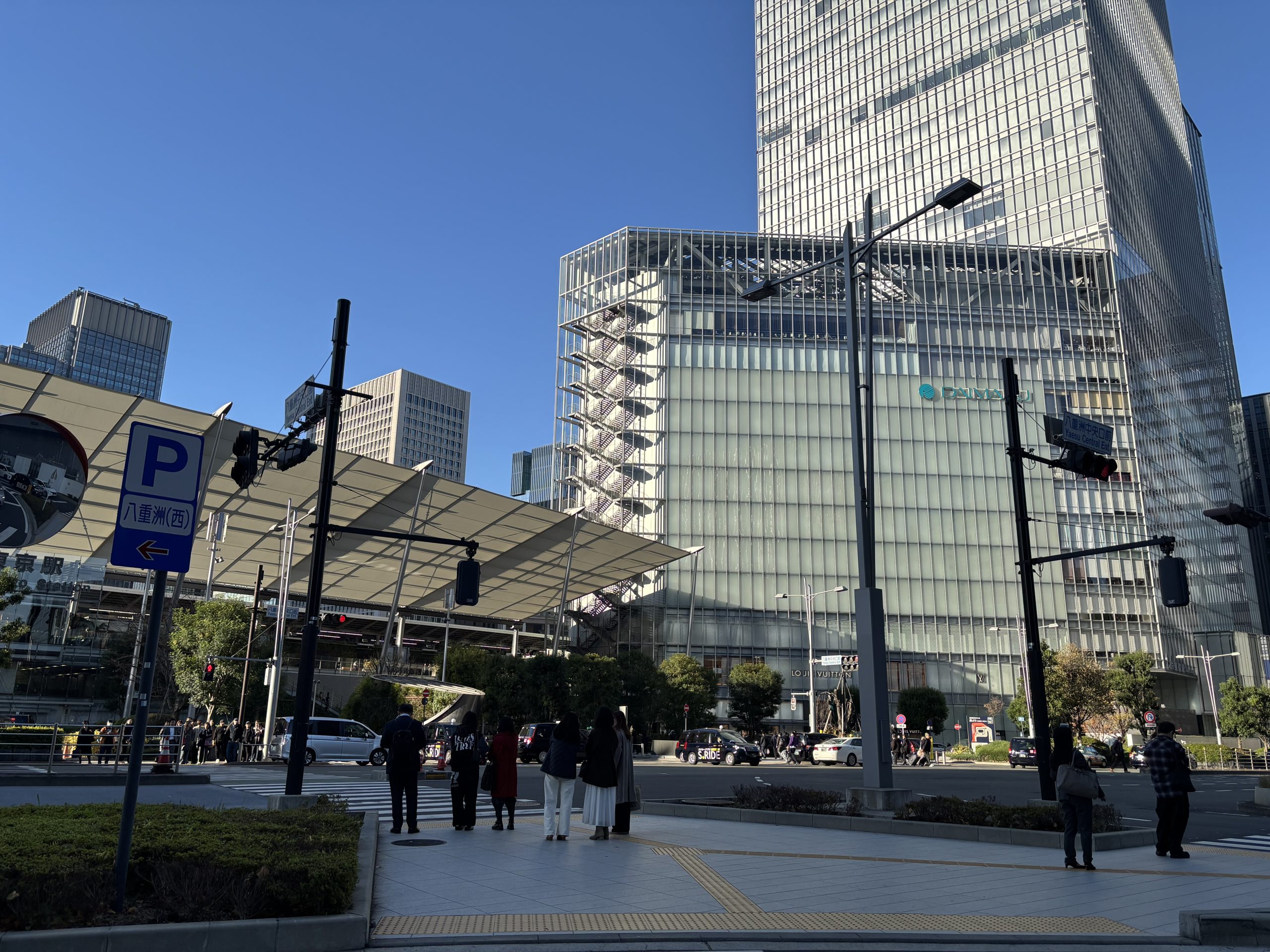
The station-building shopping at Tokyo Station is exceptional. Daimaru Tokyo, Gransta Tokyo, and Yaesu Underground Mall mean you can get food, souvenirs, and daily goods without stepping outside.
For character gifts and a meal, use First Avenue Tokyo Station on the Yaesu side, outside the JR ticket gates. Tokyo Character Street is concentrated on B1, but Pokémon Store Tokyo Station is on 1F. For ramen or tsukemen, choose a shop from the current Tokyo Ramen Street lineup, including Rokurinsha. Allow separate time for the shop, any meal queue and your train gate.
However, the area lacks discount stores and major electronics retailers. Don Quijote is in Ginza or Akihabara. Bic Camera is in Yurakucho (1 station). Yodobashi Camera is in Akihabara (2 stations).
Convenience stores are everywhere — inside and around the station. Drugstores exist in the Yaesu underground area. But full supermarkets for longer stays are scarce. For fresh groceries, use Daimaru Tokyo’s food floors or head toward Nihonbashi (10-15 min walk).
Chain Stores and Convenience Reference
| Brand | Store Name | Category | Address | Nearest Station & Walking Time | Official Website | Google Maps | Notes |
|---|---|---|---|---|---|---|---|
| Daimaru | Daimaru Tokyo | Department Store | 1-9-1 Marunouchi, Chiyoda-ku | Tokyo Station Yaesu North Exit, direct | Open | Open | B1F-13F. Food floor (depachika) is especially strong for bento, sweets, gifts. Tax-free counter |
| MUJI | KITTE Marunouchi | Lifestyle Goods | KITTE 3F-4F, 2-7-2 Marunouchi, Chiyoda-ku | Tokyo Station Marunouchi South Exit, 1 min | Open | Open | Large store. Stationery, food, clothing, cosmetics |
| Pokémon Store | Tokyo Station | Character Goods | First Avenue Tokyo Station 1F, Tokyo Character Street | Yaesu side, outside JR ticket gates; follow current floor map | Open | Check the First Avenue floor map | Official merchandise; check current stock and opening hours |
| Starbucks | Marunouchi Building + others | Cafe | 1F Marunouchi Building, 2-4-1 Marunouchi + others | Tokyo Station Marunouchi North Exit, 3 min | Open | Open | Multiple locations: inside station, Marunouchi Building, KITTE, Yaesu underground |
| Rokurinsha | Tokyo Ramen Street | Tsukemen / ramen | First Avenue Tokyo Station B1, Tokyo Ramen Street | Yaesu side, outside JR ticket gates | Open | Check the First Avenue floor map | Tsukemen specialist; check current hours and allow time for a queue |
| Takashimaya | Nihonbashi Takashimaya S.C. | Department Store | 2-4-1 Nihonbashi, Chuo-ku | Nihonbashi Station direct (10 min walk from Tokyo Station) | Open | Open | Historic department store. Tax-free available. Pokemon Center TOKYO DX inside |
| Mitsukoshi | Nihonbashi Mitsukoshi Main Store | Department Store | 1-4-1 Nihonbashi Muromachi, Chuo-ku | Mitsukoshimae Station direct (12 min walk from Tokyo Station) | Open | Open | Important Cultural Property building. Tax-free available |
| Don Quijote | — | Discount Store | Not in this area | — | — | — | Nearest: Ginza Main Store (~20 min walk) or Akihabara (JR 2 stops) |
| Bic Camera | — | Electronics | Not in this area | — | — | — | Nearest: Bic Camera Yurakucho (JR Yurakucho, 1 stop / ~15 min walk) |
| Yodobashi Camera | — | Electronics | Not in this area | — | — | — | Nearest: Yodobashi Akiba (Akihabara, JR 2 stops) |
| Loft | — | Lifestyle Goods | Not in this area | — | — | — | Nearest: Ginza Loft (~15 min walk toward Yurakucho) |
| Daiso | — | 100 Yen Shop | Not confirmed in this area | — | — | — | No confirmed store in station-direct area. Possible locations toward Nihonbashi |
Best hotels near Tokyo Station
Tokyo Station hotels split cleanly into Marunouchi-side luxury and Yaesu-side mid-to-value.
Marunouchi hotels emphasize Imperial Palace views, the red brick aesthetic, and prestige. Rates center around ¥30,000+ per night. Yaesu-side hotels maintain transit convenience at lower price points.
If you want Tokyo Station access on a budget, neighboring Kanda (JR 1 stop) and Nihonbashi / Hatchobori (walk to 1 metro stop) are strong alternatives.
Prices shown are rough estimates and vary by season, availability, and booking timing. Check each hotel’s page on Booking.com for the latest rates.
- ★★★★★9.5/10Our pick
The Tokyo Station Hotel
¥50,000–¥120,000/night9.5/10 (Booking.com) · 9.5/10 (Booking.com) ¥50,000–¥120,000/night Tokyo Station Marunouchi South Exit, direct connection
Map · Anniversary & special tripsPros:Unique experience of staying in a national landmark / Direct station access, Shinkansen platforms within minutes / Service at the highest domestic standard
¥50,000–¥120,000/nightTrade-off: Among the most expensive hotels in Tokyo / High demand — book months in advance
📍 🗺️ Map - ★★★★★9.5/10
Palace Hotel Tokyo
¥60,000–¥150,000/night9.5/10 (Booking.com) · 9.5/10 (Booking.com) ¥60,000–¥150,000/night Otemachi Station direct / Imperial Palace moat front
Map · Luxury seekers & longer staysPros:Balcony rooms are rare in Tokyo / Imperial Palace views are unmatched / Michelin 3 Keys, Forbes 5-Star
¥60,000–¥150,000/nightTrade-off: Very high price point / 8 min walk to Tokyo Station (Otemachi Station is direct)
📍 🗺️ Map - ★★★★★8.7/10
Hotel Metropolitan Tokyo Marunouchi
¥18,000–¥35,000/night8.7/10 (Booking.com) · 8.7/10 (Booking.com) ¥18,000–¥35,000/night Tokyo Station Nihombashi Exit, direct (Sapia Tower 27-34F)
Map · Business & efficiency-focusedPros:Train views from high floors / Rain-proof station access / Much more affordable than luxury options
¥18,000–¥35,000/nightTrade-off: Entrance via Sapia Tower can be tricky to find / Slightly removed from Marunouchi core
📍 🗺️ Map - ★★★★★8.6/10
Karaksa Hotel Tokyo Station
¥12,000–¥22,000/night8.6/10 (Booking.com) · 8.6/10 (Booking.com) ¥12,000–¥22,000/night Tokyo Station Yaesu Exit, 5 min walk
Map · Families, groups & budget-consciousPros:Connecting rooms available (ideal for families/groups) / Modern and clean / Reasonable for Tokyo Station area
¥12,000–¥22,000/nightTrade-off: Marunouchi/Imperial Palace side requires crossing the station / Quiet neighborhood at night
📍 🗺️ Map
Summary
Tokyo Station / Marunouchi / Otemachi is the strongest transit base in Tokyo for anyone who prioritizes access.
Shinkansen direct to Kyoto, Osaka, Sendai, and Kanazawa with zero transfers. Narita Express to the airport in under an hour. 10+ JR and metro lines within walking distance, covering every corner of Tokyo. Ginza is walkable. The Imperial Palace is across the street.
The tradeoff is cost and quiet nights. Hotel rates are among Tokyo’s highest, and Marunouchi after 9 PM is nearly deserted. To save, choose a Yaesu-side hotel or look one stop away at Kanda or Nihonbashi.
“When in doubt about where to stay, start with Tokyo Station” — this area has the substance to back that claim.
Things to do and eat around Tokyo Station
Tokyo Station works best when you treat the west and east sides as different experiences. Start with the red-brick building and palace-facing walks, then use the Yaesu underground network when rain, luggage or a late meal makes outdoor wandering less attractive.
Marunouchi side (west)
The red brick station building was designed by Tatsuno Kingo and completed in 1914. A full restoration finished in 2012. The nighttime illumination is one of Tokyo’s iconic photo spots — the classic angle is looking up from the station plaza.
Marunouchi Naka-dori is a ~1 km tree-lined promenade with luxury brand boutiques. On some weekends it becomes a pedestrian zone. Winter illuminations run from around November to February.
The Imperial Palace East Gardens are a 10-minute walk from the station. Free entry (closed Mondays, Fridays, and the day after national holidays). Ruins of Edo Castle, including the old keep foundation and guard posts, remain here. The Imperial Palace outer gardens and Nijubashi Bridge plaza offer wide-open space popular with runners.
KITTE Marunouchi (the former Tokyo Central Post Office) is a 6-story commercial complex. The 6th-floor rooftop garden (KITTE Garden) looks directly down on the red brick station building — a free viewpoint that many visitors miss.
Yaesu side (east)
Gransta Tokyo is an underground shopping area with ~150 stores spanning both sides of the ticket gates. Bento, sweets, cosmetics, and souvenirs are the highlights — ideal for last-minute Shinkansen shopping.
Tokyo Character Street (First Avenue Tokyo Station, B1F) has ~30 official character goods shops: Pokemon Store, Jump Shop, NHK Character Shop, and more. Popular with families.
Tokyo Ramen Street on First Avenue B1F has several current restaurant choices, including Rokurinsha for tsukemen. Check the official lineup and each shop’s hours; queues vary by day and outlet.
Yaesu Underground Mall stretches ~600 m and is one of Tokyo’s largest underground shopping streets. Restaurants, daily goods, fashion, and drugstores — all rain-proof.
Otemachi area
Primarily offices, but Otemachi Place and Otemachi Tower (Ootemori) have dining and retail. Otemachi Forest is a small urban green space within the Otemachi Tower complex — a quick lunch break escape.
Not a tourist destination per se, but connected to Tokyo Station by underground passages, making it a practical hotel base.
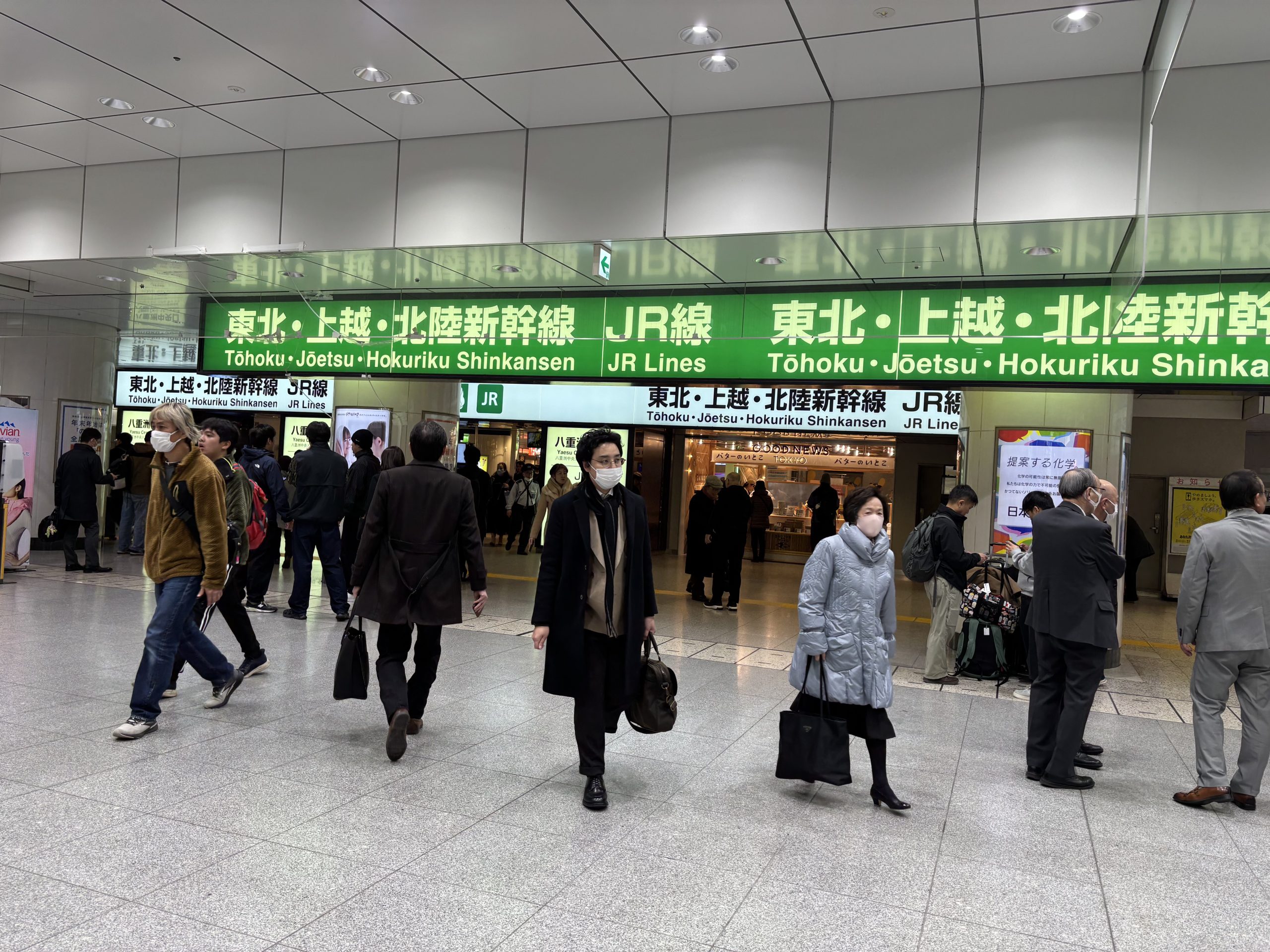
The beauty of Tokyo Station dining is that you can eat well without leaving the station. Gransta Tokyo and ecute Tokyo cover everything from bento to cafes to sit-down restaurants.
Station dining
Tokyo Ramen Street on First Avenue B1F has several current restaurant choices, including Rokurinsha for tsukemen. Check the official lineup and each shop’s hours; queues vary by day and outlet.
Gransta Tokyo — Massive selection of bento, prepared foods, and sweets on both sides of the gates. For Shinkansen bento, Matsuri (inside the paid area) is the go-to spot, with famous ekiben from across Japan.
Daimaru Tokyo food floor — B1F-1F food floors are directly connected to Tokyo Station. Bento, deli items, pastries, and confections are among the best in Tokyo. Top pick for omiyage (souvenir gifts).
Marunouchi side
Upper floors of Marunouchi Building and Shin-Marunouchi Building have Italian, French, and Japanese restaurants. Lunch runs ¥1,500–3,000, dinner ¥5,000+. KITTE Marunouchi also has cafes and restaurants, some with views of the red brick station building.
Yaesu side
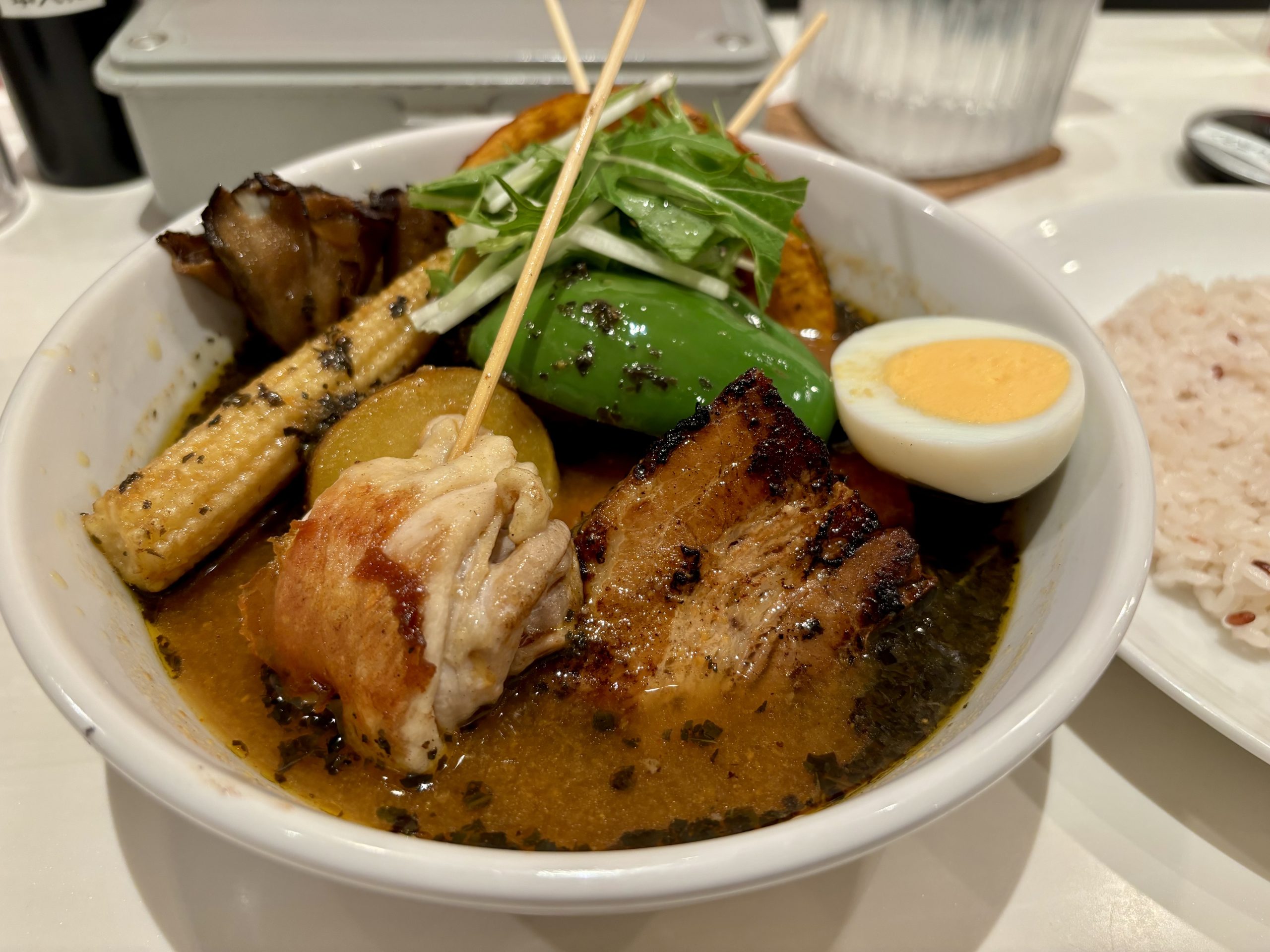
Yaesu Underground Mall is dense with restaurants — ramen, curry, teishoku sets, izakaya. The ¥800–1,500 range is the sweet spot. Mainly office-worker clientele, so weekday lunch is packed but quality-to-price ratio is strong.
Late-night food
Marunouchi side closes by 9 PM. For late eating, use Yaesu underground restaurants and nearby izakaya, or walk to Yurakucho/Ginza (10-15 min). Chain gyudon shops (Sukiya, Matsuya, etc.) have 24-hour locations in the area. Ichiran on Ramen Street has late-night hours, but check the street’s own operating hours first.
Family-friendly
Tokyo Character Street area has family-friendly dining options. Gransta Tokyo has kid-friendly udon, curry, and bakeries. Daimaru Tokyo’s restaurant floors (12-13F) also have approachable Japanese and Western restaurants for families.
Landmarks and quick directions
Use the Google Maps links below to set each spot as your destination instantly. “To ___” links open ready-made route directions from the base station.
Local Landmarks
Quick Routes
Practical tips and things to know
Getting around inside the station takes time. Tokyo Station stretches roughly 400 meters north-south and 200 meters east-west. The Keiyo Line platform (Disney direction) sits at the far south end — a 10-minute walk from other JR platforms. First-time visitors should budget extra time for any transfer.
Marunouchi and Yaesu sides feel completely different. The Marunouchi exit faces the Imperial Palace and a polished business district; the Yaesu exit opens onto a commercial zone of underground malls and mid-range restaurants. Check which side your hotel is on before booking to avoid a long walk through the station.
Weekends are quieter than you might expect. Marunouchi and Otemachi are office districts, and many restaurants close on Saturdays and Sundays. Yaesu underground and Gransta stay open, but the energy drops compared to weekdays.
A Suica or PASMO card covers almost everything. JR, metro, buses, and convenience stores all accept IC cards. Mobile Suica through Apple Pay or Google Pay eliminates the need for a physical card entirely.
Coin lockers fill up fast during peak seasons. Large suitcases can go in station lockers, but by mid-morning the biggest sizes are often taken. Baggage storage counters — available both inside and outside the gates — serve as a reliable backup.
The GO taxi app is worth downloading. Late-night and early-morning airport runs fall outside train operating hours, and GO lets you hail a cab quickly without standing in line at the taxi stand.
Nearby side trips
Ginza is the closest major destination — a 15-minute walk south through Yurakucho, or just 2 minutes on the Marunouchi Line. Luxury department stores, flagship boutiques, and top-tier dining make it a natural extension of the Tokyo Station area. Ginza guide
Nihonbashi sits about 10 minutes on foot to the northeast. Mitsukoshi and Takashimaya anchor the district, and the Edo-era heritage — including the original Nihonbashi bridge — adds historical depth to a shopping trip.
Kanda is one Chuo Rapid Line stop from Tokyo Station. Jimbocho has its own subway connections and requires a different route. Jimbocho’s used bookshop district is world-famous, and the surrounding streets are home to an intense curry restaurant scene that draws office workers from across the city. Kanda guide
Akihabara is two JR stops north. Electronics shops, anime and gaming stores, and maid cafes create a sensory overload that contrasts sharply with Marunouchi’s corporate calm. Akihabara guide
For runners, the Imperial Palace loop is a roughly 5 km course circling the palace outer gardens. Start from Otemon Gate, a 5-minute walk from the station, and join the steady stream of joggers on one of Tokyo’s most scenic running routes.
FAQ
Are hotels near Tokyo Station expensive? How can I save?
Marunouchi luxury hotels start at ¥50,000+, but Yaesu-side business hotels like karaksa hotel run from ¥12,000. For real savings, look at neighboring Kanda (JR 1 stop, from ~¥8,000) or Nihonbashi / Hatchobori (1 metro stop, from ~¥9,000). You get nearly the same Tokyo Station convenience at significantly lower prices.
How do I get to Tokyo Disney Resort?
Keiyo Line direct to Maihama Station, ~15 min (¥230). However, the Keiyo Line platform is at the far south end of Tokyo Station — it’s a 10+ minute walk from other JR platforms. Including the walk, budget 25-30 minutes total. Leave with plenty of time for morning park opening.
How do I get to Narita / Haneda Airport?
Narita Airport: Narita Express (N’EX) direct, ~55 min, ¥3,070. All reserved seats, comfortable. Runs every 30-60 minutes.
Is there late-night food near Tokyo Station?
Marunouchi closes by 9 PM. Yaesu underground restaurants and nearby izakaya stay open until 10-11 PM. For very late night, use 24-hour gyudon chains (Sukiya, Matsuya in the area) or walk to Yurakucho/Ginza (10-15 min). Ichiran on Ramen Street has late-night hours, but confirm the street’s operating times first.
How do I avoid getting lost in Tokyo Station?
Marunouchi (west) and Yaesu (east) identify the main station sides, but do not name every gate or exit. Use the exact gate or exit in your hotel’s access guide, and check whether it belongs to JR, the Shinkansen, or Tokyo Metro. The Keiyo Line platform is in a completely different zone — follow signs for “Keiyo Line / Musashino Line” and keep walking. If it’s your first time, check the station map on the JR East app before arriving.
What are the best souvenirs to buy at Tokyo Station?
Gransta Tokyo and Daimaru Tokyo food floors are the two main spots. Tokyo Banana and Press Butter Sand at Gransta are classics. Daimaru stocks regional specialty sweets from across Japan. Inside the Shinkansen gates, Matsuri sells famous ekiben (station lunch boxes) from all over the country.
Explore More Tokyo Areas
Choose the next base by the experience you want after the trains: luxury shopping, nightlife, east-Tokyo value or classic sightseeing.


Some links below are affiliate links. If you book through them we may earn a small commission at no extra cost to you.