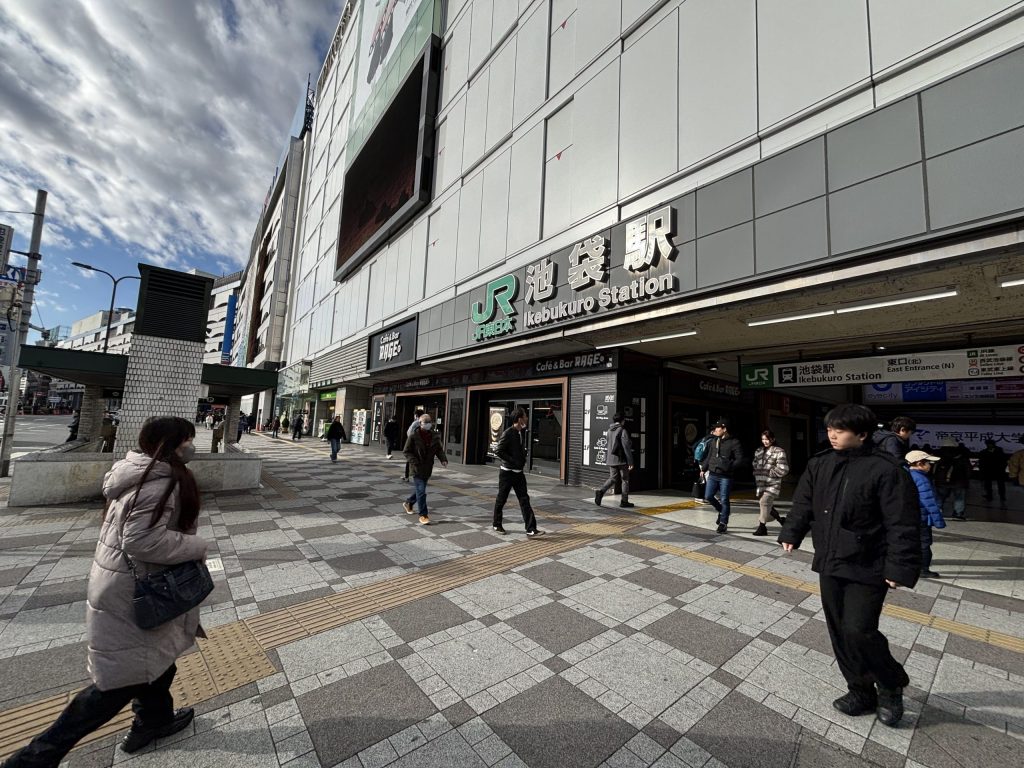
Rush Hour Survival
A practical Tokyo rush-hour guide: route-specific crowding, flexible departures, boarding etiquette and transfer planning.
Quick links
A crowded Tokyo commute is easier to handle when you plan the exact route, direction and transfer. The busiest period varies by line and section, and a published congestion percentage is a survey result, not a live forecast for every train. Choose a departure that leaves time for station walking, the platform queue and transfers.
Best for: Visitors planning commuter-hour journeys with luggage, children or fixed bookings.
When Is Rush Hour?
| Period | What can vary | How to plan |
|---|---|---|
| Weekday morning | Peak time, section and direction differ by line. | If your departure is flexible, move it outside the busiest period shown for your route. |
| Weekday evening | Commuters, events and delays can affect the trip. | Check current service information and leave a transfer buffer. |
| After the main commuter peak | Crowding may ease, but a later departure does not guarantee a seat. | Compare the next services or car information where the operator provides it. |
| Weekends and holidays | Tourist hubs, shopping areas and event routes can still be crowded. | Plan for the actual destination and event date, rather than assuming an empty train. |
Weekend? A weekday commuter survey does not describe weekend conditions. Check the service status and the route to your event or sightseeing area before setting out. Metro CrowdNavi lets you compare estimates by line, direction, weekday/holiday and time; these estimates are not a live count.
Peak Crowding: Line and Section Matter
The Ministry of Land, Infrastructure, Transport and Tourism published these FY2025 morning peak-hour survey results on July 28, 2026. Each figure belongs to one direction, section and one-hour survey period. These selected examples are not a ranking of all Tokyo lines or a prediction for your train.
| Line | Survey section / direction | FY2025 congestion | Survey hour |
|---|---|---|---|
| Tozai (Tokyo Metro) | Kiba → Monzen-nakacho | 160% | 7:50–8:50 AM |
| Yokosuka (JR) | Musashi-Kosugi → Nishi-Oi | 138% | 7:26–8:26 AM |
| Sobu Rapid (JR) | Shin-Koiwa → Kinshicho | 160% | 7:31–8:31 AM |
| Chuo Rapid (JR) | Nakano → Shinjuku | 158% | 7:35–8:35 AM |
| Hibiya (Tokyo Metro) | Minowa → Iriya | 163% | 7:50–8:50 AM |
| Yamanote, inner loop (JR) | Shin-Okubo → Shinjuku | 136% | 7:44–8:44 AM |
| Ginza (Tokyo Metro) | Akasaka-mitsuke → Tameike-sanno | 153% | 8:00–9:00 AM |
Source: MLIT’s FY2025 congestion survey and the Tokyo-area main-section table (Japanese PDF), plus the all-section table with Yamanote (Japanese PDF). Yokosuka and Sobu Rapid are separate survey entries even though trains can run through between the lines.
What does the percentage mean? It compares surveyed passenger volume with the trains’ rated capacity during the measured period. It is not the percentage of seats occupied, and a published survey figure cannot tell you which car will be easiest to board. Use the operator’s current information and the platform conditions for the actual trip.
Survival Strategies
Strategy 1: Shift Your Schedule ⏰
If your plans allow it, change your departure time rather than forcing a tight connection in a crowd.
- Leave earlier: Check that your required service is running and allow for the first available connection.
- Leave later: A departure after the main commuter period may be easier, but check your route and the attraction’s opening time.
- Keep a buffer: Choose a departure that leaves time for walking, the platform queue and every transfer.
Strategy 2: Choose Your Car 🚃
- Use the platform layout: Cars near a busy stairway or transfer can attract more people; the position varies by station.
- Compare the available cars: Move along the platform only where it is safe, and follow boarding marks and staff directions.
- JR East App: Check the supported lines and features. Car-level information is available for some services and can lag the current conditions. Do not assume every route is covered.
- Women-only cars: Check the operator’s line, direction, car number and designated hours. Eligible children, passengers with disabilities and accompanying carers may also use them under the operator’s rules; see the FAQ below.
Strategy 3: Pick the Right Line 🗺️
- If you can reach your destination via multiple routes, choose the less crowded line
- Compare alternatives: A published line average does not guarantee a quieter train in your direction. Use the route that fits the full journey, including walking and transfers.
- Check station access: A deep platform or long interchange may outweigh a shorter train ride, especially with bags or mobility needs. Do not choose a route on an assumed seat.
Strategy 4: Use Alternative Transport 🚶
- Walk: Compare the actual door-to-door route. Shibuya–Harajuku or Ueno–Asakusa can suit a walk, but the time depends on your starting point, destination, pace and weather.
- Bus: Check the route and current arrivals with Toei Bus information. Buses may also be crowded or delayed in road traffic; they are an alternative, not a guaranteed quieter ride.
- Bicycle: With Docomo Bike Share in Tokyo or another operator, check the service area, bike and return-port availability, current price and riding rules before choosing this option.
Rush Hour Etiquette
The unwritten rules
- Take off your backpack. Hold it at your feet or in front of you.
- Do not eat or drink. Avoid food and open drinks on a crowded commuter train.
- Keep your phone silent. Do not make calls; use headphones at low volume.
- Move toward the center. Keep the door area clear.
- Let passengers leave first. Wait beside the door markings before boarding.
- Queue at the platform markings. They show where each door will stop.
- Let others leave and keep a clear path. If you cannot board safely, step aside and wait for another train rather than pushing into the doorway. Do not stop abruptly in a packed doorway.
Practical Tips
Pro Tips
- Luggage: If you can avoid the busy period with large cases, do so. Compare forwarding or a locker, and keep bags clear of doors and walking space.
- Stroller/wheelchair: Check the step-free route and allow extra boarding time. Ask station staff for assistance when needed; a universal 7:30–8:30 window cannot describe every route.
- Airport transfers: Work backward from your airline’s check-in deadline at the correct terminal. Check your departure station, travel date, first available service and every connection on the Haneda or Narita official access page. If the first usable connection arrives too late, arrange another transfer or stay near the airport.
- Plan transfers carefully: Search the full journey in a route planner, then check the operator’s service information. Leave extra time for gates, station walking and an unfamiliar interchange; a platform-to-platform allowance depends on the route.
- Friday evening: Leave room for a busy trip, but do not apply a fixed extra percentage. Delays and events can change conditions on any day.
If your commute overlaps with a disruption, use our Tokyo train delays guide and station navigation guide.
FAQ
Is rush hour really that bad for tourists?
It depends on the route, direction and time. If sightseeing is flexible, a departure outside the main commuter period can help. A 9:30 departure is not a guarantee of comfort; check the actual connection and allow more time with luggage.
What about rush hour on the Shinkansen?
Check availability for your actual Shinkansen date and service rather than applying Tokyo commuter-line peak hours. Reserve in advance if you need a seated journey, and confirm whether the selected train offers unreserved seating. For JR East services, use its ticket and seating guide; choose a booking route valid for your train and rail pass.
Are there express trains that skip stations during rush hour?
Yes, stopping patterns vary by line, direction, time and day. Check the operator’s timetable and the train’s destination before boarding. An express or rapid service may skip your stop, so do not choose it just because it is faster.
What are Women-Only Cars?
These cars operate only on designated services and hours, which vary by line, direction and operator; some apply in the evening. Read the platform and car signs. Operators allow specified children, passengers with disabilities and accompanying carers, including some male passengers, under their rules. Check Tokyo Metro, JR East or Toei Subway for your service.
Explore More Tokyo Guides
Choose a hotel by the morning route you will use. Compare station entrances, walking distance and transfers, including the Ikebukuro hotel guide.


