100-Yen Shops in Tokyo
100-yen shops in Tokyo — Daiso, Seria, Can Do. What to buy, where to go, and how to spend ¥1,000 wisely.
A useful first question is “what should I buy at a 100-yen shop?” Compression bags, stationery, kitchen gadgets, travel pouches, cute chopsticks, face towels — the list never ends. The 100-yen shop is the single most efficient souvenir-and-problem-solving stop in Japan, and it’s not even close.
The concept is simple: most items cost ¥100 (about $0.70 USD). Some items are ¥300 or ¥500, and they’ll be clearly marked. The quality is better than you’d expect — not luxury, but functional and well-made. A ¥100 pen from Daiso writes better than most $3 pens back home. A ¥100 compression bag will save your suitcase on the last day of the trip. And a ¥100 folding shopping bag with a Japanese design makes a perfect “I was thinking of you” gift.
Best for: Solving travel problems for almost nothing, lightweight souvenirs, stationery nerds, and that satisfying feeling of filling a basket for ¥1,000 total.
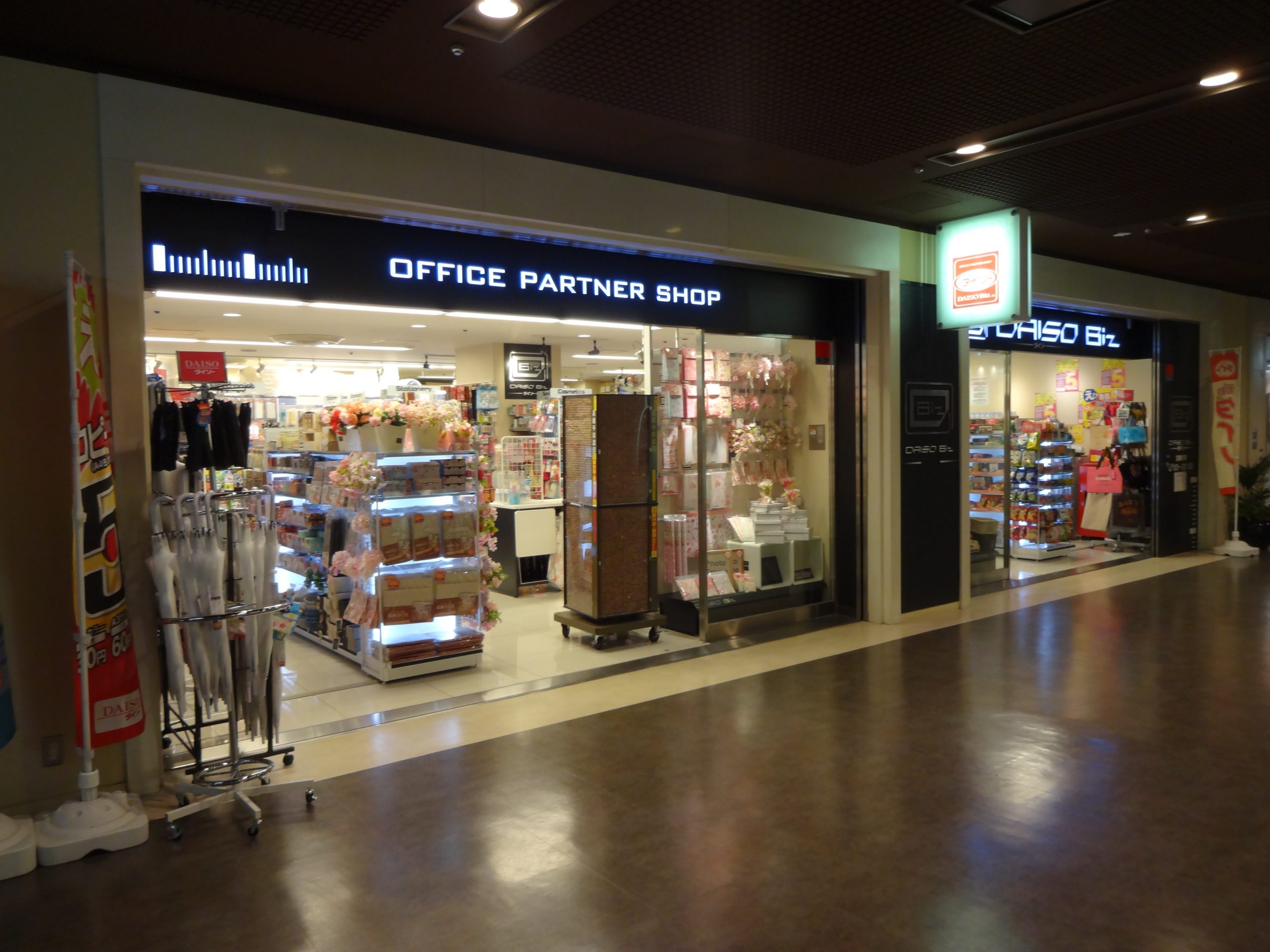
A full-size DAISO branch carries more travel supplies than compact station branches.
The Big Three Chains
Daiso(ダイソー)
The largest chain — over 4,000 stores in Japan. Daiso is the one you’ll find everywhere: train stations, shopping malls, side streets. The selection is enormous, the stores are often multi-floor, and the variety borders on absurd. You can buy a spatula, a phone stand, fake eyelashes, and a miniature zen garden in the same aisle.
- Selection: Widest of all three chains. If you can only go to one, go to Daiso
- Vibe: Bright, packed, slightly chaotic. Think discount treasure hunt
- Price range: Most items ¥100, some ¥300/¥500 items clearly labeled
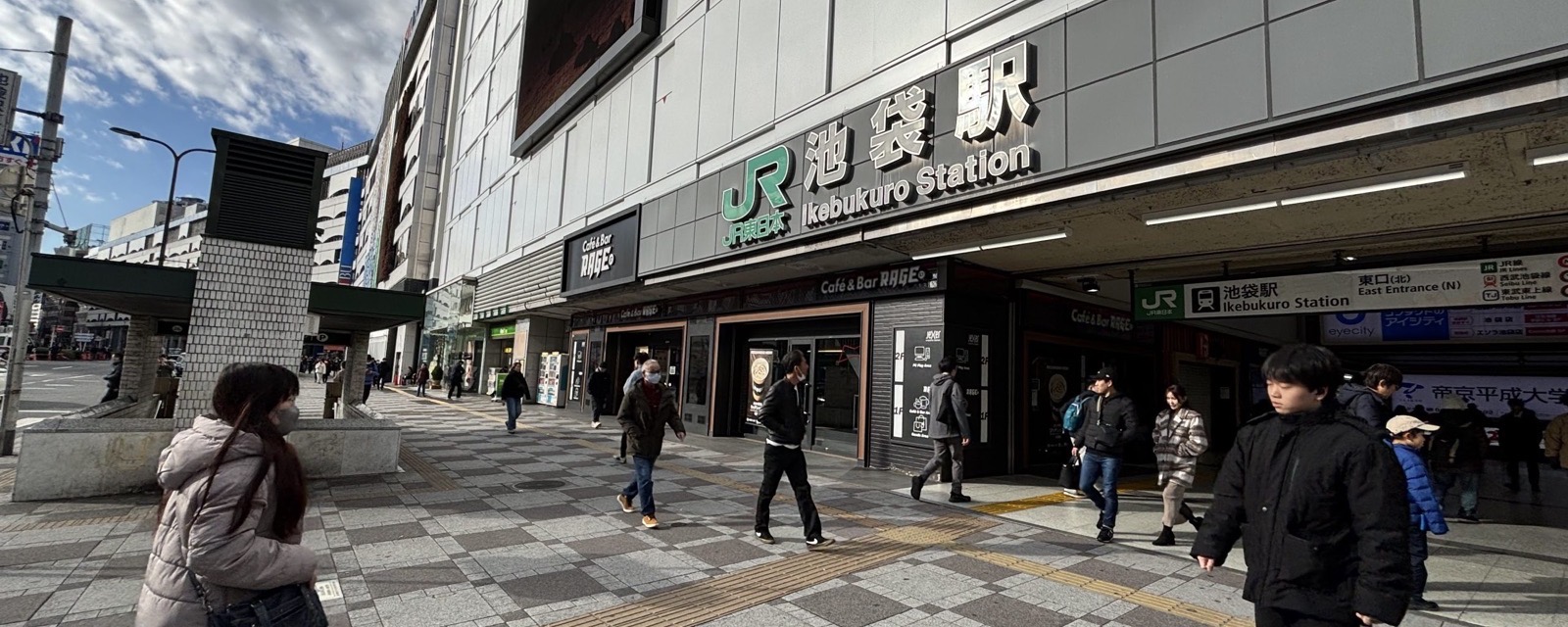
- Notable locations: Daiso Harajuku (massive, multi-floor), Daiso Shibuya, most major stations
Useful Daiso travel buys:
- Compression bags (圧縮袋) for bulky clothing.
- Pens and mechanical pencils.
- Folding shopping bags with Japanese designs.
- Adhesive hooks and S-hooks for temporary hotel organization, where permitted.
- Small zippered pouches for cables and chargers.
- Tenugui (手ぬぐい), thin Japanese cloths that pack flat.
Seria(セリア)
Seria is the “design-forward” 100-yen shop. The products tend to look nicer — cleaner packaging, more cohesive aesthetics, and a focus on lifestyle goods. If Daiso is the warehouse, Seria is the boutique. Seria emphasizes coordinated colors and photo-friendly household goods more than Daiso’s warehouse-style range.
- Selection: Slightly smaller than Daiso, but stronger on home decor and kitchen goods
- Vibe: Calmer, more curated, less overwhelming
- Best for: Gift-worthy items that look like they cost more than ¥100, kitchen accessories, storage containers with tasteful designs
- Standout items: Miniature Japanese-style plates and bowls, washi tape, seasonal decorative goods
Can Do(キャンドゥ)
The convenience play. Can Do stores are often smaller and located inside train stations or near exits — perfect for a quick grab when you realize you forgot something. The product range is narrower than Daiso, but they cover the essentials.
- Selection: Smallest of the three, but practical items are well-stocked
- Best for: Quick stops when you need one specific thing and don’t want to wander a multi-floor Daiso
What to Actually Buy (The Traveler Hit List)
Travel Problem-Solvers
| Item | Price | Why travelers love it |
|---|---|---|
| Compression bags (圧縮袋) | ¥100 | The MVP. Squeeze air out, reclaim suitcase space. Buy 3–5 of them. |
| Folding shopping bag | ¥100 | Japan charges for plastic bags. You’ll need one. Pick a cute design. |
| Zippered pouches | ¥100 | Cable organizer, medicine bag, snack holder. Multiple uses. |
| Compact rain poncho | ¥100 | Weighs nothing, saves you in a sudden downpour |
| Laundry net / wash bag | ¥100 | For coin laundry at the hotel |
| Adhesive hooks | ¥100 | Hang wet towels, bags, etc. in hotel rooms. Remove without damage. |
| Travel-size containers | ¥100 | Transfer shampoo/lotion for carry-on compliance |
Souvenirs That Don’t Suck
| Item | Price | Who it’s for |
|---|---|---|
| Japanese-style chopsticks (set) | ¥100–300 | Everyone. Lightweight, packable, useful |
| Washi tape / masking tape | ¥100 | Stationery lovers, crafters, journalers |
| Tenugui (thin cotton towels) | ¥100–300 | Beautiful designs, traditional patterns. Great wall decor |
| Mini Japanese plates / bowls | ¥100–300 | Soy sauce dishes, dessert plates. Surprisingly nice designs at Seria |
| Furoshiki-style wrapping cloth | ¥100–300 | Reusable gift wrap that becomes the gift itself |
| Character goods (Sanrio, Disney) | ¥100 | Kids, collectors, “because it was only ¥100” buyers |
| Pens (especially Daiso’s own brand) | ¥100 | Anyone who writes. Japanese pens are a genuine step up. |
A practical budget-souvenir strategy: “I bought 30 pairs of Japanese chopsticks at Daiso for ¥3,000 total. Everyone at the office got a set. Best souvenir move of the trip.” This approach — bulk-buying small, light, Japan-themed items — gets recommended constantly.
Daiso vs. Seria vs. Can Do: Quick Comparison
| Daiso | Seria | Can Do | |
|---|---|---|---|
| Selection | Largest — everything | Curated — lifestyle focus | Compact — essentials |
| Design | Mixed quality | Consistently tasteful | Basic but functional |
| Store size | Often multi-floor | Medium | Small, station-adjacent |
| Best for | First visit, big haul | Gift-quality items | Quick targeted stop |
| Locations | Everywhere (4,000+) | Common (1,800+) | Often near stations |
Strategy: How to Not Lose an Hour
100-yen shops are dangerously browsable. You walk in for compression bags and walk out 45 minutes later with a basket full of things you didn’t know existed. Fun, but not great for your schedule.
The focused approach:
- Decide what you need before entering (compression bags, souvenirs, etc.)
- Head straight to those sections — floor maps are usually near the entrance
- Set a 15-minute timer on your phone
- Grab what you need, allow yourself 2–3 impulse items, and get out
The exploration approach:
If you have time to kill, just wander. The joy of 100-yen shops is discovering things you didn’t know you wanted. Budget ¥1,000–2,000 and let yourself go.
Practical Info
- Tax-free: Don’t count on it. Most 100-yen shops do not offer tax-free shopping. A few large Daiso locations do (¥5,000+ spend), but it’s the exception.
- Payment: Cash is always accepted. Most larger stores now take credit cards and IC cards (Suica/Pasmo), but small locations may be cash-only.
- Hours: Usually 10:00 AM – 9:00 PM. Some mall locations follow the mall’s hours.
- Price trap: Items marked ¥300 or ¥500 are common at Daiso. Always check the price tag — not everything is ¥100.
For trips on or after November 1, 2026: Japan is scheduled to move to a refund-based tax-free system. Eligible visitors will generally pay tax at purchase and complete the refund procedure before departure. Until then, current in-store tax-free procedures apply. Confirm the process with the store and the National Tax Agency for your travel date.
For more practical Tokyo shopping, compare the minimalist essentials in our MUJI in Tokyo guide with the health and beauty options in our Japanese drugstore guide.
FAQ
Is the quality actually okay?
For the price, yes. Stationery, kitchen tools, storage items, and travel accessories are genuinely good. Cosmetics and skincare are hit-or-miss — for those, you’re better off at a drugstore. Electronics accessories (cables, chargers) are functional but won’t last years. Think of 100-yen shops as “good enough for the trip” quality.
Which store should I go to first?
If you only have time for one: Daiso (widest selection). If you want nicer-looking gifts: Seria. If you just need one quick item near a station: Can Do. For the best experience, hit a large Daiso first, then browse a Seria for the items Daiso didn’t have in a nice design.
Are 100-yen shop products made in Japan?
Some are, many aren’t. If “Made in Japan” matters to you (for gifts, etc.), check the label — it’s printed on most packaging. Stationery and kitchen items are more likely to be Japanese-made. General goods are often manufactured overseas. Can Do reportedly has a slightly higher ratio of Japan-made products, but it varies.
Can I find these items at Don Quijote instead?
There’s overlap — Donki carries some travel accessories and household goods. But 100-yen shops are cheaper for basics (compression bags, pouches, hooks) and have better variety in stationery. Donki wins on snacks, cosmetics, and late-night hours. Use both for different purposes.
Explore More Tokyo Guides
These stores are found across Tokyo. For neighborhood-specific tips on where to stay and what else to explore nearby: