Where to Stay in Shibuya Tokyo: Best Hotels near Scramble Crossing & Nightlife
Tokyo’s most iconic energy, mapped for a smart stay.

Quick links
Shibuya at a Glance
Tokyo’s most iconic high-energy base: famous crossings, late-night food, nonstop shopping, and direct rail access in one walkable district.
Must-see Shibuya landmarks and attractions
Shibuya’s core attractions form a compact route. Use this visual shortlist to choose what to see first and where a hotel should sit.
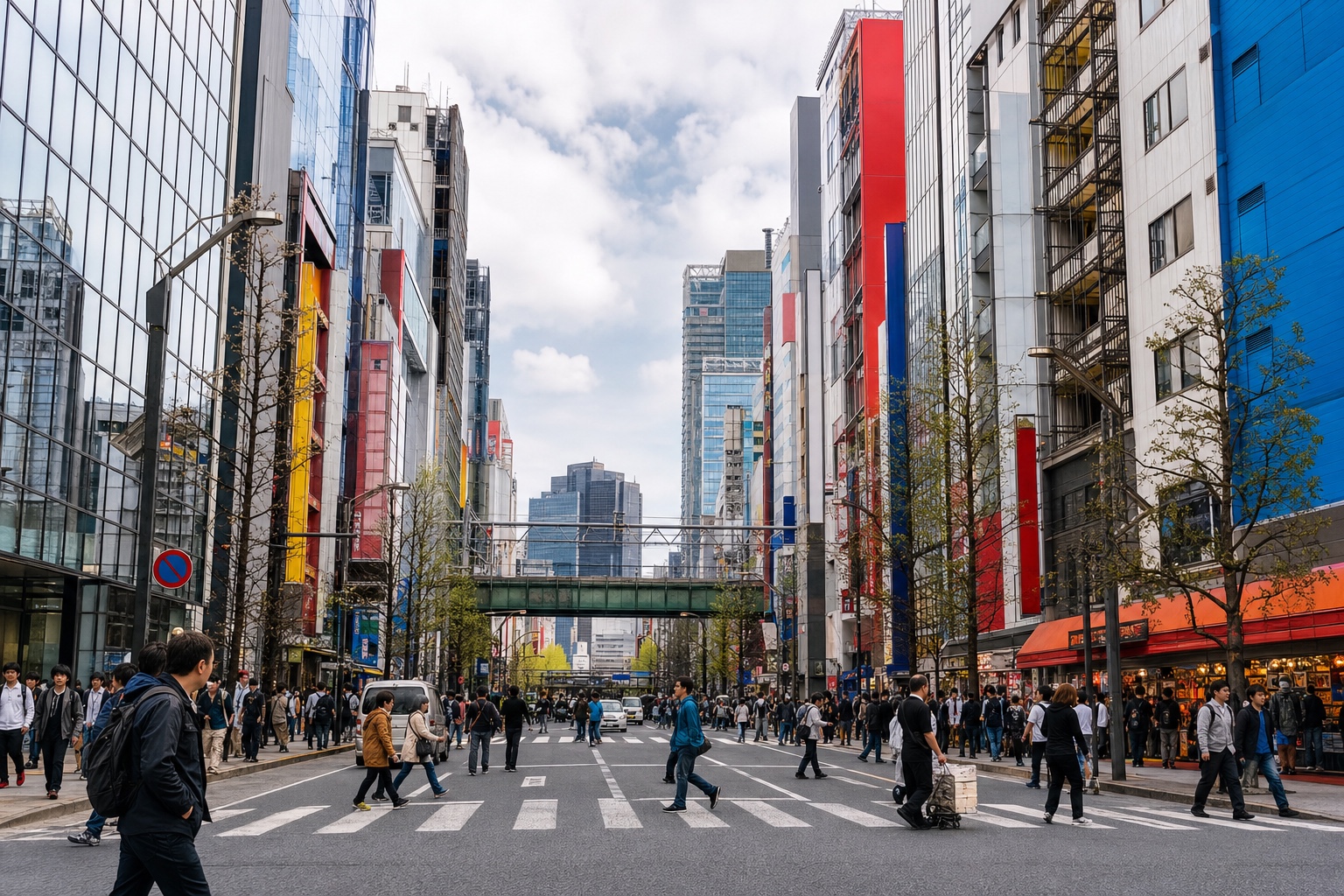 01
01Shibuya Scramble Crossing
City landmarkShibuya’s signature crossing and a core local orientation point beside Shibuya Station.
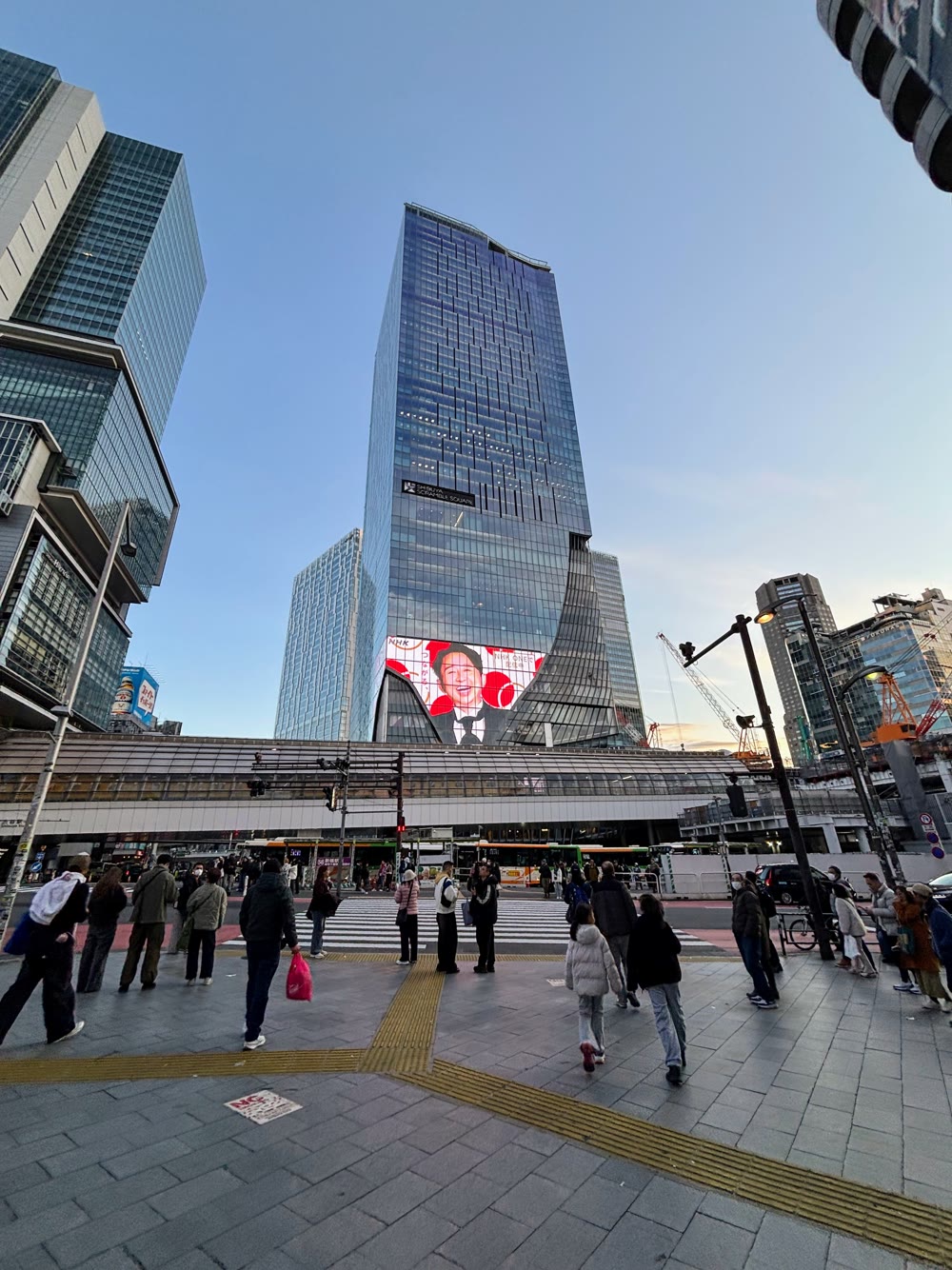 02
02Hachiko Statue
Station landmarkA named landmark beside Shibuya Station and one of the page’s core local orientation points.
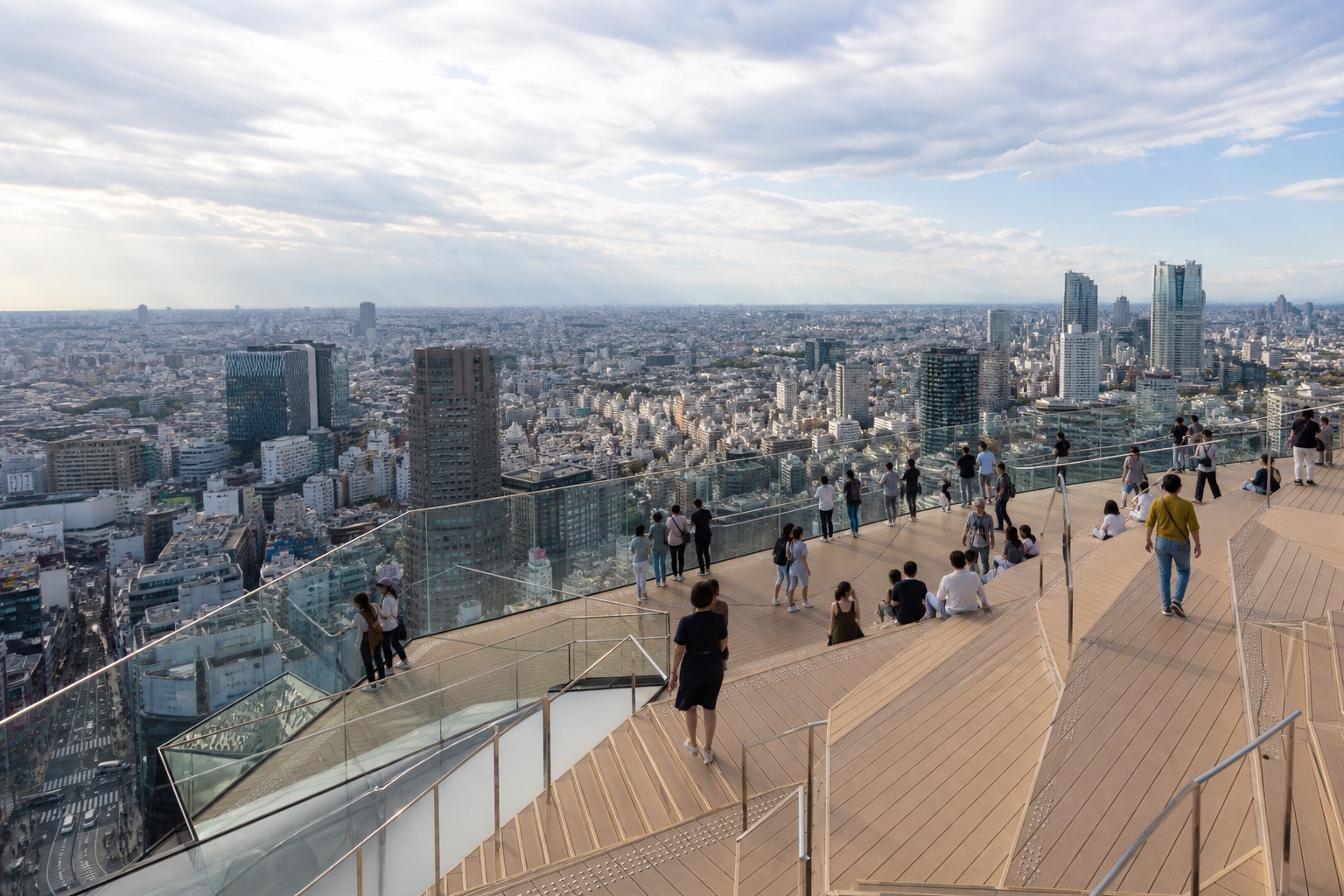 03
03SHIBUYA SKY
Rooftop observatoryAn open-air rooftop observatory with wide city views above Shibuya Station.
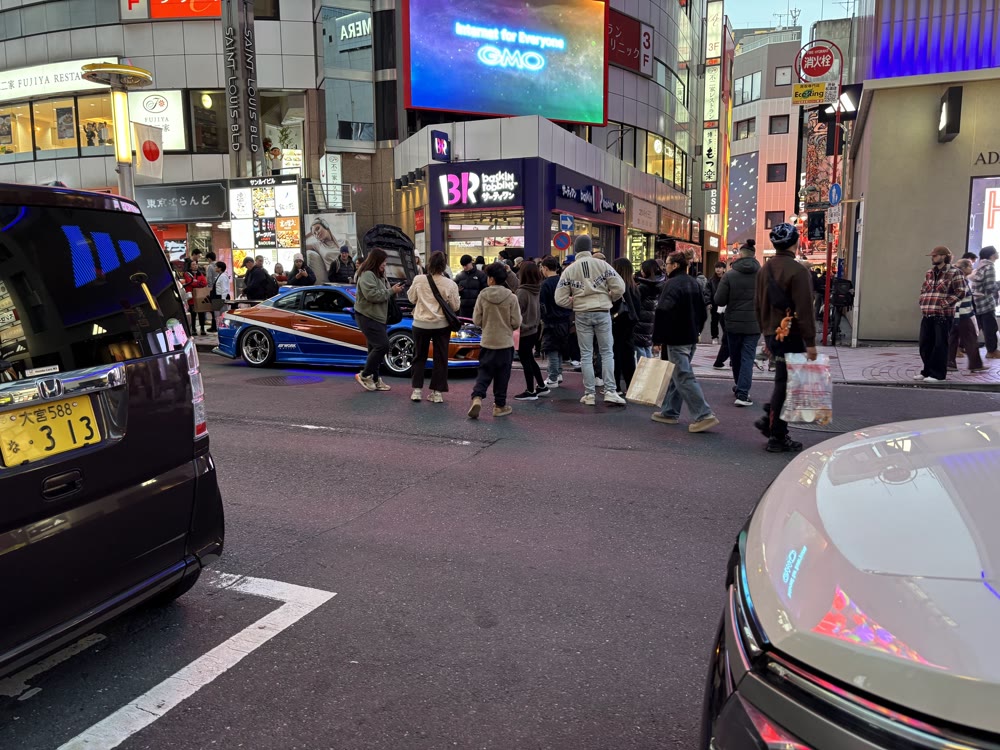 04
04Cat Street
Fashion walkA flexible walk connecting Shibuya with Harajuku and Omotesando, with shops, cafés, and a fashion-focused route.
Overview
Shibuya is one of the strongest hotel bases in Tokyo for first-time visitors who want famous landmarks, direct rail access, and late-night food in one compact district. The core advantage is density: station exits, major malls, convenience stores, and dining clusters are concentrated in a short walking radius.
Shibuya is not the right base for everyone. Hotel rates are high for room size, and weekend crowds can be intense. But for travelers who value momentum over calm, it is hard to beat the combination of transport convenience and urban energy.
Choose Shibuya if you want nightlife and shopping close to your hotel. Compare the exact room and hotel-to-station route, including hills and nighttime noise.
If Shibuya feels too loud or expensive, compare Shinjuku for a bigger rail hub and late-night range, Ginza for a calmer shopping and luxury base, Ebisu and Meguro for restaurants and a calmer night, or Ikebukuro for better value with strong rail access.
Best for
First-timers, shoppers, nightlife fans, and travelers who want everything walkable.
Feel
Electric, crowded, and constantly moving. Calm pockets exist, but it is not a quiet base.
Is Shibuya a good area to stay in Tokyo?
Short answer: yes, if you want the most iconic Tokyo atmosphere and can handle the crowds.
Yes, especially if you want nonstop shopping, nightlife, and unbeatable access to the Yamanote Line, with fast links to Shinjuku and Ginza.
- Location: West-central Tokyo with direct access to major hubs.
- Vibe: Busy by day, nightlife-heavy after dark.
- Convenience: Dense shopping, dining, and transport in a compact area.
- Relaxation: Parks and calmer pockets exist, but it is not a quiet base.
If you want calmer nights, consider Ebisu or Omotesando. If you want classic Tokyo energy, Shibuya delivers.
Why stay in Shibuya
Iconic Tokyo in one compact base.
Shibuya’s value is not just “famous crossing” branding. It is an operations-friendly base. You can land, check in, eat late, shop for essentials, and move across Tokyo with fewer transfers than many other areas. That matters on short trips where transfer friction costs time.
Key reasons to stay here
- Scramble Crossing, Hachiko, and major malls are all within minutes.
- Direct access to the Yamanote Line plus multiple metro lines.
- Food, cafes, and nightlife are everywhere; late nights do not require long commutes.
- Easy walk to Harajuku and Omotesando for a different shopping vibe.
- Strong selection of mid-range and design hotels, though prices are high.
Who this area is ideal for
- First-time Tokyo visitors who want iconic sights.
- Shopping and cafe lovers.
- Nightlife and pop-culture fans.
- Travelers who want everything walkable.
Things to keep in mind
- Hotels are expensive for room size.
- Crowds are intense on weekends and late nights.
- Not ideal if you want quiet streets after dark.
Micro-areas that change the experience
Even inside Shibuya, your stay quality depends on exact location.
- Around Center Gai and Dogenzaka: strongest nightlife access, loudest atmosphere.
- Around Shibuya Stream and south side exits: better rail convenience and cleaner foot traffic flows.
- Around Sakuragaoka: calmer streets and easier late-night recovery, but some uphill walking.
Choosing the right micro-area often matters more than one star of hotel rating.
Getting around from Shibuya
Major hub with multiple lines and exits.
Shibuya Station is complex, but once you learn your exits, city movement becomes efficient.
- Shibuya Station (JR Yamanote, Saikyo, etc.): main hub for central Tokyo and airport access via Shinagawa.
- Tokyo Metro Shibuya (Ginza, Hanzomon, Fukutoshin): direct lines to Ginza, Otemachi, Ikebukuro, and Yokohama via Tokyu.
- Harajuku, Meiji-jingumae and Omotesando are different station targets. Check the walk from your exact hotel to the destination entrance.
Arriving with a suitcase: Shibuya’s station levels and crossings are not intuitive. Tokyo Metro’s official accessibility guide identifies the Hikarie Gate 1 route to Exit 15 and the Miyamasuzaka East Gate route to Exit 13a; use the official accessibility guide and English station map before choosing the hotel side. A route that is short on a map can still involve escalators, level changes, or a busy pedestrian crossing.
Transport Access Table
| Station / Stop | Lines | Walk | Google Maps | Key Destinations |
|---|---|---|---|---|
| Shibuya Station (JR) | Yamanote, Saikyo, Shonan-Shinjuku | 0 min | Map | Shinjuku, Ikebukuro, Shinagawa, Tokyo |
| Shibuya Station (Metro) | Ginza, Hanzomon, Fukutoshin | 0 min | Map | Ginza, Otemachi, Ikebukuro, Yokohama |
| Shibuya Station (Tokyu/Keio Inokashira) | Toyoko, Den-en-toshi, Inokashira | 0 min | Map | Yokohama, Futako-Tamagawa, Kichijoji |
| Meiji-jingumae Station | Chiyoda, Fukutoshin | 12 min | Map | Omotesando, Harajuku, Roppongi |
| Shinsen Station | Keio Inokashira | 5 min | Map | Shimokitazawa, Kichijoji |
Exit strategy that saves time
A practical rule: decide your first destination before leaving station gates. If your destination is east-side retail (Hikarie, Scramble Square), use east-side routes. If your destination is nightlife west-side streets, avoid crossing inside station tunnels multiple times.
During rush windows, map apps can recommend routes that are shortest on paper but slower in human flow. In Shibuya, a 2-minute longer route with fewer bottlenecks is often faster in reality.
For a trip toward Yokohama or Shin-Yokohama, use our Tokyu branch guide to compare the train routes before leaving Shibuya.
For circular JR stops, use the Yamanote Line guide. For Odaiba, the Saikyo–Rinkai guide explains how to check for a suitable through train before leaving Shibuya.
Shopping and everyday convenience
Everything you need within a short walk.
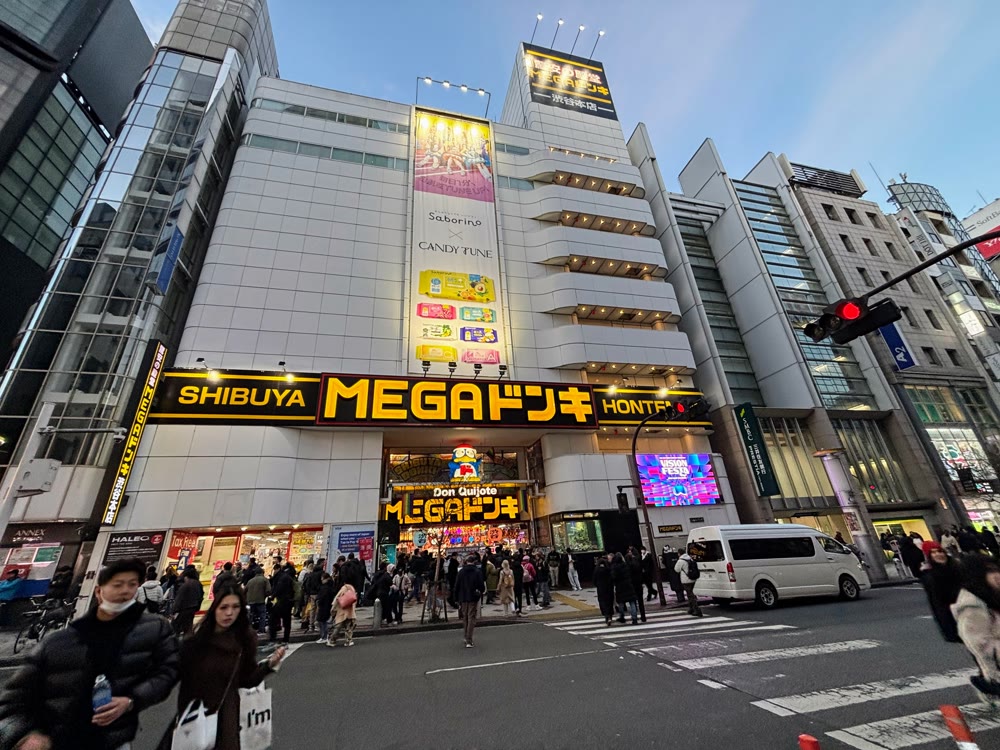
Shibuya is one of Tokyo’s easiest districts for daily needs and souvenir shopping. You can cover essentials, gifts, and casual dining in one continuous walk.
- Don Quijote for snacks, cosmetics, and souvenirs.
- Shibuya Scramble Square and Hikarie for fashion and food floors.
- Drugstores and convenience stores around Center Gai.
Choose PARCO for a focused character-shopping stop
Shibuya PARCO puts Nintendo TOKYO and Pokémon Center Shibuya on 6F with several other official character shops. B1 CHAOS KITCHEN and 7F RESTAURANT SEVEN give you meal options in the same building. Compare the walk from your hotel and station exit before treating all of Shibuya as equally close. PARCO floor guide.
If Nintendo is the priority, check its current numbered-ticket notice before fixing a meal time. Individual restaurant hours and stock can change.
Popular Chain Stores in the Area
| Brand | Store | Walk | Google Maps | Hours | Category | Notes |
|---|---|---|---|---|---|---|
| Don Quijote | MEGA Don Quijote Shibuya | 5 min | Map | 24h | Discount / Souvenir | Tax-free, late-night essentials |
| DAISO | Shibuya Mark City | 3 min | Map | 10:00-21:00 | 100-yen shop | Travel goods and low-cost consumables |
| Loft | Shibuya Loft | 5 min | Map | 10:00-21:00 | Lifestyle / Stationery | Multi-floor gift and stationery stock |
| MUJI | Seibu Shibuya | 4 min | Map | 10:00-21:00 | Lifestyle / Basics | Clothing, snacks, travel items |
| Nintendo | Nintendo TOKYO (PARCO) | 7 min | Map | 10:00-21:00 | Character / Games | Exclusive merch, queue risk on weekends |
| Starbucks | SHIBUYA TSUTAYA 2F | Check the route from your arrival exit | Map | Check official 2F store hours before visiting | Cafe | Hours may change; see SHIBUYA TSUTAYA facilities |
| FamilyMart | Shibuya Center Gai | 2 min | Map | 24h | Convenience | ATM, snacks, emergency items |
Shopping trade-offs that matter
Shibuya looks convenient because it is convenient, but peak-hour congestion can reduce store efficiency.
- Tax-free counters can be crowded at night.
- Character stores and flagship floors can have timed entry or queue controls.
- Weekend evening elevators in mixed-use towers can become bottlenecks.
If you need efficient shopping, target morning to early afternoon and avoid 18:00-21:00 windows.
Where to Eat in Shibuya
Shibuya has a reputation as a nightlife and shopping hub, but the dining scene is broader and more distinctive than many visitors expect.
Best Restaurants in Shibuya for Tourists
For dietary requirements, check the specific branch’s current menu, certification where applicable and preparation conditions before booking. This guide has no attributable ranking methodology or branch-level dietary verification for the former ranking claim.
Check the exact restaurant’s current menu, location and booking conditions; tasting and souvenir shopping are not established as services of MOHEJI here. Additional high-demand picks include MO-MO-PARADISE and wagyu-focused yakiniku options.
A practical insight: restaurants popular with overseas visitors in Shibuya are often selected for operational clarity, not only taste. Clear menus, visual ordering, and flexible hours reduce language friction. That lowers decision fatigue after a long travel day.
Late-Night Food in Shibuya
Shibuya is one of the few Tokyo neighborhoods where finding food at 2 AM is genuinely easy.
- Shibuya Yokocho in MIYASHITA PARK for multi-region casual dining.
- Center Gai and Dogenzaka for izakaya and late casual restaurants.
- Ichiran and other late ramen options.
For quieter late-night dining, Ebisu is a short move from Shibuya.
Family-Friendly Restaurants in Shibuya
Shibuya can be intense for families, but practical options exist.
- Scramble Square upper floors for calmer restaurant environments.
- Disney HARVEST MARKET by CAFE COMPANY in Hikarie for kid-friendly breaks.
- Royal Host for predictable family menu and seating.
What to book in advance
For high-demand dinner slots in Shibuya, pre-booking matters more than many travelers expect.
- Friday and Saturday dinner windows can sell out in popular spots.
- Rooftop and view restaurants can require booking days ahead.
- Group dining above four people is much easier with reservation.
If you do not book, plan a fallback stack: one primary target, one nearby backup, and one “always open” chain option.
Best hotels in Shibuya
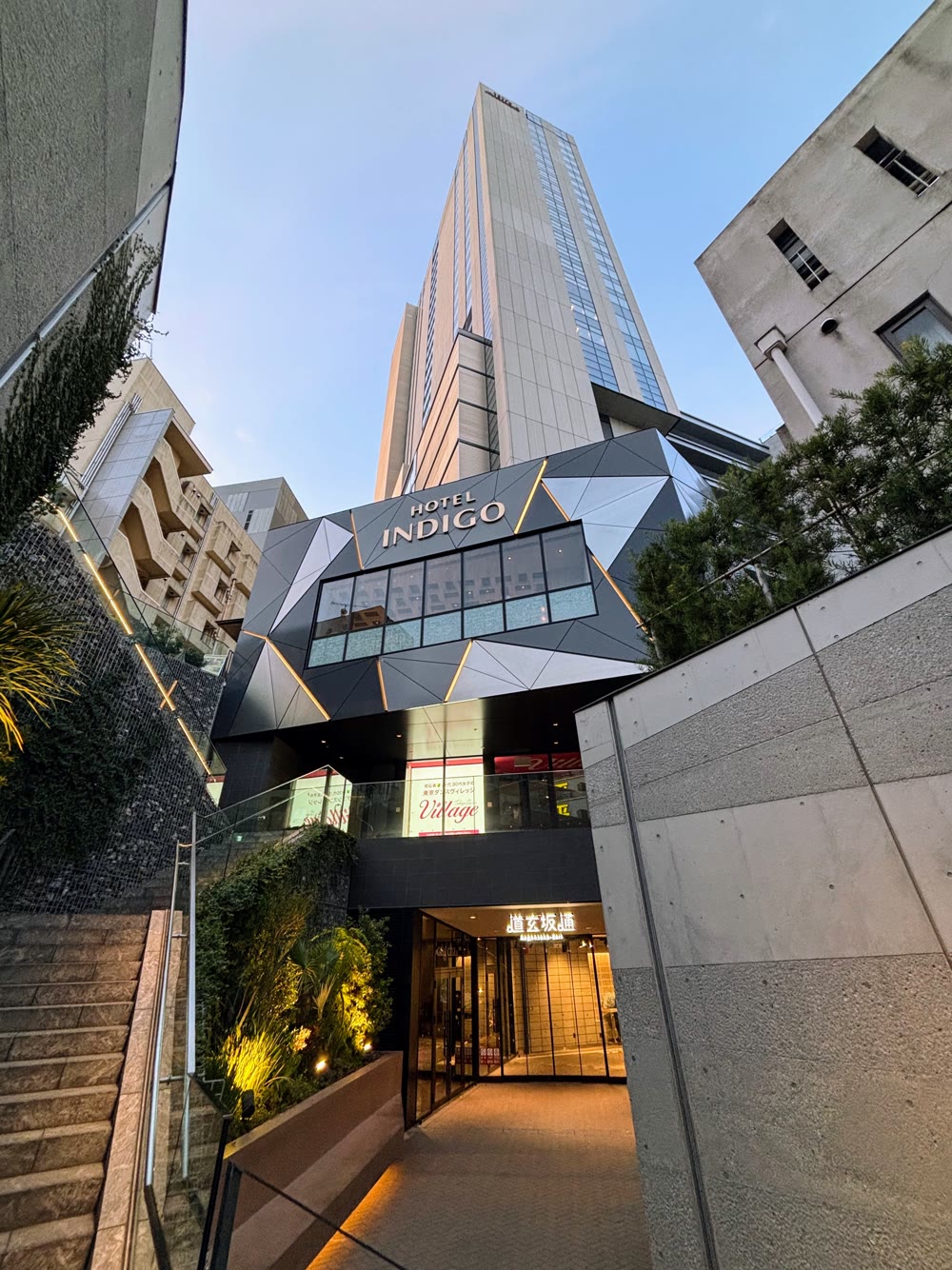
These five hotels cover the main Shibuya use cases: full-service hotel stay, direct station access, Scramble views, youth-culture immersion, and design-forward value.
- Our pick
Cerulean Tower Tokyu Hotel
Luxury cityCerulean Tower Tokyu Hotel is a full-service hotel in the Sakuragaoka area. Guest rooms occupy floors 19 through 37, and the property includes an executive lounge, seven restaurants, a full-service spa, and even a traditional Noh theatre in the basement — a rare cultural experience you won’t find at most hotels in Tokyo. It’s operated by the Tokyu group, about five minutes on foot from Shibuya Station’s West Exit along a main boulevard with a gentle uphill slope.
Pros:Compare the named room and its route from your arrival station before choosing this hotel. Check the named room’s usable floor area and bed setup rather than inferring room size from the hotel building’s footprint. Views depend on the named room’s orientation and visibility conditions. Choose a category whose published description includes the view you want; no Mount Fuji view is guaranteed for every room. Ask the hotel about the named room’s orientation and expected street noise for your dates.
Check total price for your dates, all guests and the exact room, including taxes and cancellation terms.Trade-off: The five-minute walk from the station includes a slight incline, so a taxi is the practical move with luggage — it’s a very short ride. Confirm the station exit and surface route first; the official Metro elevator routes do not automatically mean a flat, direct walk to the hotel. A pedestrian overpass connects the hotel side to central Shibuya, but it’s narrow and awkward with bags. The main shopping and nightlife zones require a bit of walking, so this isn’t the pick if your trip revolves around Shibuya’s street-level energy.
📍 West Exit 5 min 🗺️ Map🗺️ Map Shibuya Stream Hotel
City designOne of the newest city hotels in Shibuya, also Tokyu-operated. If Cerulean Tower is the luxury flagship, this is its modern, design-forward counterpart — sleek, contemporary, and built for today’s traveler. The lower floors house a variety of shops and restaurants, and each guest floor features a unique “meister” theme (fitness, shoe care, drinks), adding a playful design layer that keeps things interesting.
Pros:The biggest draw is the direct connection to Shibuya Station via the C2 exit — you can walk from the train platform to the hotel lobby without ever stepping outside. In a district this crowded, that’s a genuinely significant advantage, especially if you’re hauling a suitcase. Rooms are spacious by Shibuya standards, much more generous than what the business hotels around here offer. If you’re comparing rates and the gap between a business hotel and this place is small, choose this one without hesitation — the difference in comfort is well worth it.
Check total price for your dates, all guests and the exact room, including taxes and cancellation terms.Trade-off: The hotel sits slightly away from the main entertainment strip, which means less foot traffic and more peace — but also a short walk to reach Shibuya’s center. Shibuya hotel prices have climbed steeply in recent years across the board, so rates here can feel high compared to other districts, even though the value-for-money within Shibuya is strong.
📍 Direct from Station C2 🗺️ Map🗺️ MapShibuya Excel Hotel Tokyu
Classic cityThe third Tokyu hotel in Shibuya, this one sits directly above Mark City and connects to the station — actually closer to the JR Yamanote Line platforms than the newer Stream Hotel. The lobby is on the fifth floor, and directly below is a station-connected department store with an excellent basement food hall (“depachika”) for grab-and-go sweets, bento boxes, and deli items.
Pros:The standout is the view. Select rooms look directly down onto the world-famous Shibuya Scramble Crossing, and the breakfast restaurant offers the same panorama — watching the crossing come alive while you eat is genuinely one of the most iconic hotel experiences in Tokyo. Step outside and you’re in Shibuya’s shopping core: Don Quijote, Shibuya 109, and hundreds of restaurants within a ten-minute walk. Arguably the strongest location in Shibuya for shopping and dining.
Check total price for your dates, all guests and the exact room, including taxes and cancellation terms.Trade-off: Fair warning: the entrance can be tricky to find — signage is small, and first-timers sometimes walk right past it. The building has more age on it than newer options like Stream or sequence, so the rooms don’t have that brand-new feel. But if location and that Scramble Crossing view matter to you, nothing else in Shibuya comes close.
📍 Direct via Mark City 🗺️ Map🗺️ Mapsequence MIYASHITA PARK
LifestyleA lifestyle hotel sitting directly on top of MIYASHITA PARK, one of Shibuya’s newest shopping and cultural complexes. The vibe is design-forward and youthful — Conde Nast Traveler called it “a hub of youth culture,” and that captures the energy well. Upper-floor rooms offer wide views across the Shibuya skyline, and it’s about three minutes from the B1 subway exit with an underground passage from the station running close by.
Pros:The rooftop park, boutiques, and cafes of MIYASHITA PARK are directly beneath you, so you’re literally living inside one of Shibuya’s trendiest spots. The hotel is walkable to both Shibuya and Harajuku, and a taxi to Omotesando takes just five to ten minutes. Checkout is at 2:00 PM — unusually late and a genuine perk after a big night out in Shibuya.
Check total price for your dates, all guests and the exact room, including taxes and cancellation terms.Trade-off: The trade-off is noise: JR train lines run right alongside the building, and multiple reviews mention it — railway noise can vary by room position. If you are a light sleeper, ask the hotel about the named room’s orientation and current guidance rather than relying on a fixed first-train time. The entrance is also confusing at first — you access it from the rooftop level of MIYASHITA PARK, which catches some guests off guard. Best suited for younger travelers, couples, and solo visitors who want Shibuya’s culture and energy up close, not those who prioritize quiet.
📍 3 min from B1 🗺️ Map🗺️ Mapall day place shibuya
Design hotelA design hotel just one minute from the B1 subway exit, with clean white interiors and a distinctly Shibuya sensibility. The ground floor has a well-reviewed pizza restaurant, and breakfast is cooked to order rather than served as a buffet — guests consistently praise the quality. The hotel operates an eco-friendly policy: bamboo toothbrushes, paper-based amenities, no plastic water bottles.
Pros:MIYASHITA PARK is nearby, and Harajuku and Omotesando are about a 15-minute walk — easy to explore on foot without relying on trains. If sequence MIYASHITA PARK is for the culture-seekers, this one is for the quiet aesthetes who prefer discovering the neighborhood at their own pace. Best for couples and solo travelers who value clean design, a relaxed atmosphere, and a central Shibuya location at a reasonable price.
Check total price for your dates, all guests and the exact room, including taxes and cancellation terms.Trade-off: There are a few hills in the immediate area, worth noting if you’re rolling a suitcase. The hotel uses self check-in (staff are always present), and reaching your room requires two separate elevators — street to lobby, then lobby to guest floors — which some travelers find mildly inconvenient. Small friction points, not dealbreakers, but worth knowing about.
📍 1 min from B1 🗺️ Map🗺️ Map
Landmarks and quick directions
Use the Google Maps links below to set each spot as your destination instantly. “To ___” links open ready-made route directions from Shibuya Station.
Local Landmarks
Quick Routes
Popular activities
Choose an activity below. The map links locate each place; check the attraction’s official website for tickets and opening conditions.
SHIBUYA SKY
Open-air rooftop observatory with 360-degree city views. Sunset and night slots sell out quickly.
Recommended window: reserve sunset slots at least one day ahead, and earlier for weekends. Weather risk exists, so keep one indoor fallback activity nearby.
Cat Street walk to Harajuku and Omotesando.
Easy add-on activity near Shibuya. Keep it as a flexible block in your day plan.
Open location in MapsMIYASHITA PARK evening loop for dining and city views.
Easy add-on activity near Shibuya. Keep it as a flexible block in your day plan.
Open location in MapsDepartment-store food floors for efficient souvenir + meal pairing.
Easy add-on activity near Shibuya. Keep it as a flexible block in your day plan.
Open location in MapsHow to Get to Shibuya from Narita and Haneda
Narita to Shibuya
- Narita Express (N’EX): about 75 minutes, direct, reserved seats, around JPY 3,250.
- Access Express can connect with the Hanzomon Line at Oshiage. Check the departure, total fare and complete transfer route before comparing it with the Narita Express.
Haneda to Shibuya
- Keikyu plus JR Yamanote: about 35-40 minutes, around JPY 650.
- Limousine bus: around 40-80 minutes depending on traffic, around JPY 1,200.
Taxi reference
- Haneda to Shibuya: obtain a current quote for your terminal and exact hotel, including time of day, any applicable fixed-fare zone and highway tolls. Journey time depends on traffic.
- Narita to Shibuya: around 60-90 minutes, often JPY 25,000-30,000.
Quick comparison
| Situation | Best option | Why |
|---|---|---|
| Narita, heavy luggage | N’EX | Direct and luggage space |
| Narita, budget | Access Express + Hanzomon | Lower cost |
| Haneda, daytime | Keikyu + JR | Fast and frequent |
| Haneda, heavy luggage | Limousine bus | No transfers |
| Late night | Taxi | Trains unavailable |
Shinkansen access from Shibuya
Shibuya is not a shinkansen station, but Shinagawa and Tokyo Station are both easy by JR.
Practical routing
- To Shinagawa: about 12 minutes by JR Yamanote, low navigation complexity.
- To Tokyo Station: about 25 minutes by JR Yamanote, broader line coverage.
Typical destination patterns
| Destination | Board at | Typical train | Typical time |
|---|---|---|---|
| Kyoto | Shinagawa | Nozomi | around 2h 10m |
| Shin-Osaka | Shinagawa | Nozomi | around 2h 25m |
| Nagoya | Shinagawa | Nozomi | around 1h 30m |
| Sendai | Tokyo Station | Hayabusa | around 1h 30m |
For Kyoto and Osaka, Shinagawa is often the lowest-friction transfer from Shibuya.
Shibuya travel tips
- Learn exits (Hachiko vs Hikarie) before moving.
- Book SHIBUYA SKY in advance.
- Harajuku and Omotesando are often faster on foot than by train.
- Plan for last train around midnight and use taxi app fallback if needed.
No-regret first-stay checklist
- Pick a hotel within practical walking distance of your likely arrival exit.
- Pre-book one dinner for arrival night and one for peak weekend night.
- Save two route options for each major destination (fastest and least crowded).
- Carry one late-night fallback dining option and one transport fallback.
This checklist prevents the most common Shibuya regrets: long transfer confusion, sold-out dinner windows, and avoidable late-night friction.
Explore more Tokyo areas
Compare nearby bases quickly with visual snapshots and jump directly to each full guide.


Sample 3-day stay plan from Shibuya
If you want a practical no-regret structure, this sample plan reduces transfer overhead and keeps meal windows realistic.
Day 1: Arrival and low-friction orientation
- Check in and do a 60-90 minute local loop: Scramble Crossing, Hachiko, and one nearby department store.
- Eat dinner in a pre-booked restaurant within 10 minutes of your hotel.
- Keep the first night simple. The goal is to stabilize sleep and navigation confidence.
Day 2: Core west-side city day
- Morning: Harajuku and Omotesando by foot from Shibuya.
- Afternoon: Meiji Jingu or a shopping split depending on weather.
- Evening: Return to Shibuya for dinner, then SHIBUYA SKY night slot.
This pattern works because it avoids repeated station complexity during your highest-energy sightseeing day.
Day 3: East-side transfer day
- Move to Tokyo Station side or Ginza by direct metro/JR route.
- Keep luggage storage and train timing simple if you have a later departure.
- Use Shibuya as the final dinner base only if your return transfer is straightforward.
Why this plan prevents common regret
- You do not over-book long-distance movement on arrival day.
- You pre-commit one key meal slot before weekend demand compresses options.
- You avoid cross-city zig-zag routes that waste time in transfer corridors.
It is not the only correct itinerary, but it is a reliable baseline for first-time visitors who care about execution, not just wishlist spots.
Summary
Shibuya is Tokyo at full volume. If you want classic Tokyo energy and do not mind the crowds, Shibuya is a strong base with excellent transport and dense shopping/dining.
The main trade-off is cost versus convenience. You pay more for smaller rooms, but you save time every day through better walkability and direct rail access. For short and active trips, that trade is usually worth it.
FAQ
Is Shibuya safe at night?
Yes, but nightlife streets can be rowdy. Ignore touts and stick to main streets.
Is Shibuya good for families?
It can work, but quieter bases can be easier. In Shibuya, choose calmer micro-locations.
How do I avoid getting lost in Shibuya Station?
Use map apps with a specific exit and allow extra transfer time.
Is Shibuya walkable to Harajuku and Omotesando?
The walk depends on your actual start and finish. Shibuya Station, Cat Street, JR Harajuku Station and Omotesando Station are different endpoints; check the route with luggage and weather in mind.
How far is Shibuya from airports?
Haneda is often around 35-40 minutes by rail. Narita is often around 75 minutes by N’EX.
What is the biggest first-timer mistake in Shibuya?
Treating Shibuya as one uniform zone. Pick your hotel by micro-area and station exit strategy, not by neighborhood name alone.
Some links below are affiliate links. If you book through them we may earn a small commission at no extra cost to you.