Where to Stay in Ikebukuro: Best Hotels Near Ikebukuro Station
A major Yamanote hub for Sunshine City, family attractions, anime shopping, and better-value hotels.
Quick links
Overview
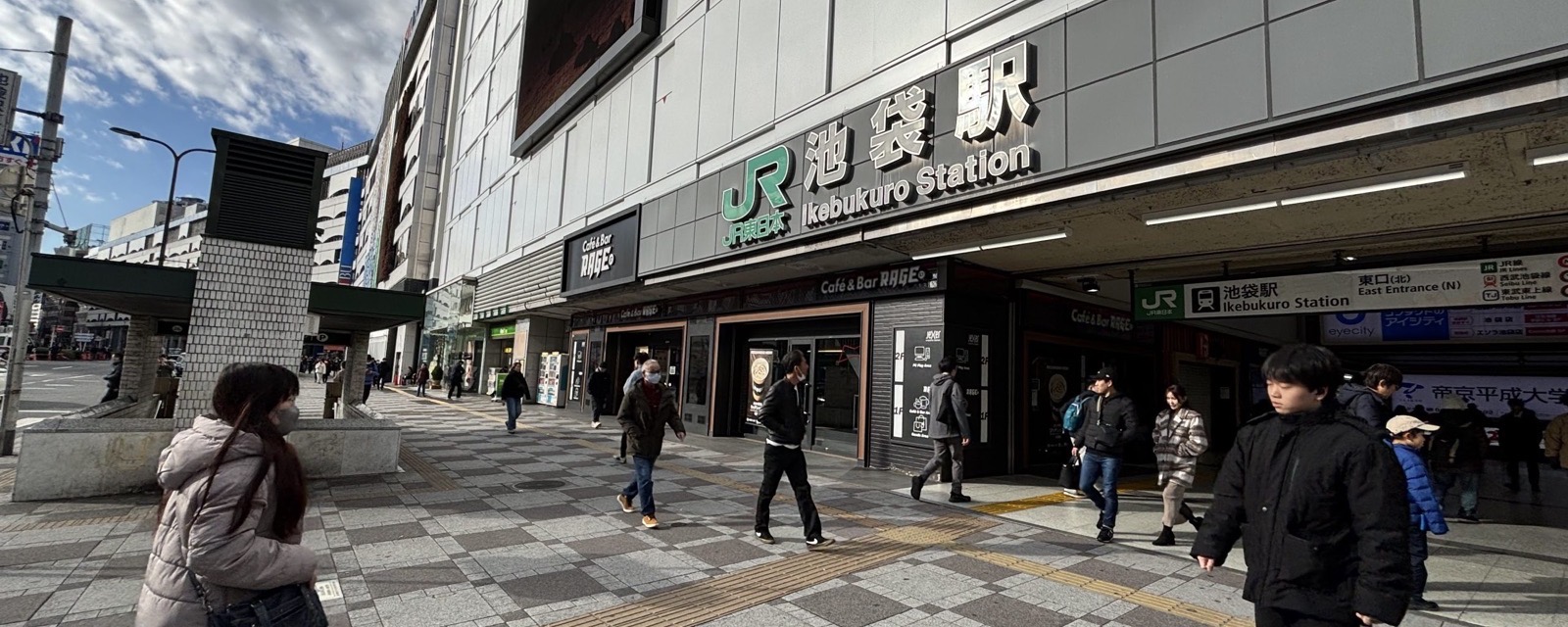
Ikebukuro is a practical, high-energy base with several railway lines, large-scale shopping, family attractions, and direct airport limousine buses. It works especially well when your plans mix Shinjuku, western Tokyo, Sunshine City, and a day at the Warner Bros. Studio Tour Tokyo.
The trade-off is scale. The station is large, the East and West sides feel different, and some blocks become noisy or crowded at night. Choose the hotel side first, then compare the walking route to the attractions you actually plan to visit.
For a more polished first-trip base, compare Ginza Hotel Base Guide. For nightlife and late trains, use Shinjuku Hotel Base Guide. For lower prices with airport access, check Ueno Hotel Base Guide.
Must-see Ikebukuro landmarks and attractions
Ikebukuro’s core attractions form a compact route. Use this visual shortlist to choose what to see first and where a hotel should sit.
 01
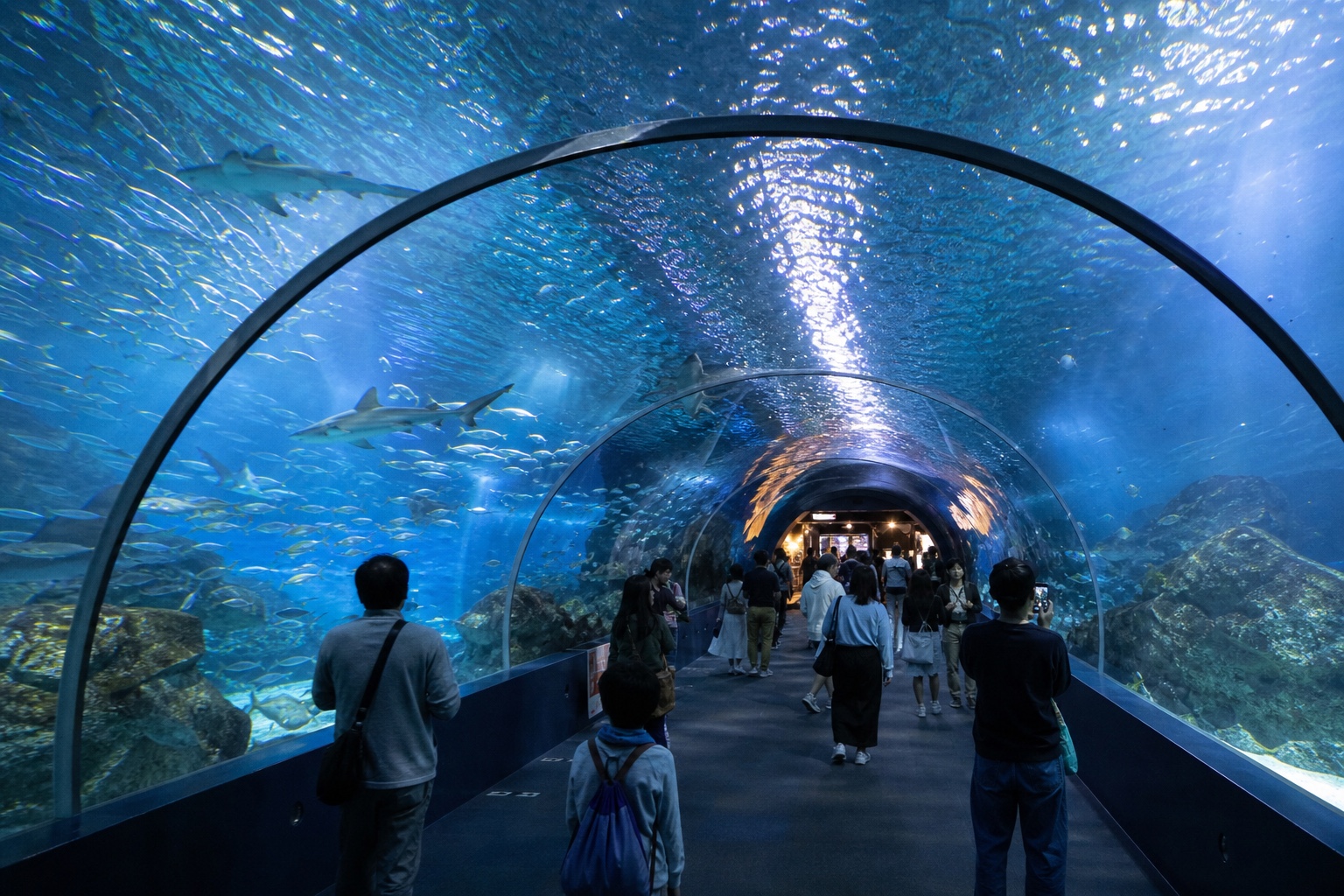
01Sunshine Aquarium
Rooftop aquariumA rooftop aquarium in Sunshine City, known for its “Penguins in the Sky” exhibit.
02Sunshine 60 Observatory “Tenbou Park”
Panoramic observatoryA renovated observatory with turf seating and a panoramic Tokyo view.
 03
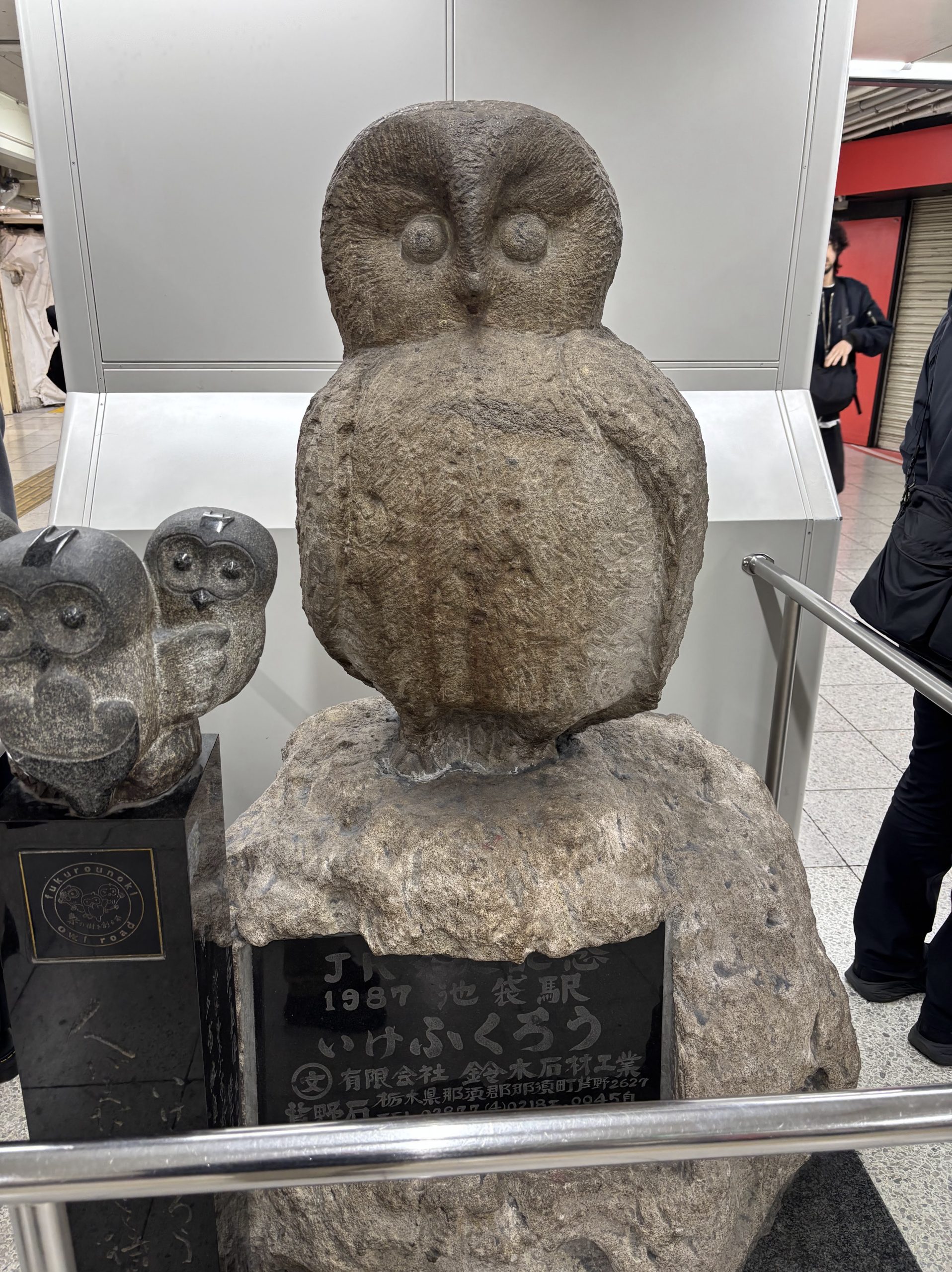
03Otome Road
Anime & mangaAn area of manga, anime and doujinshi shops near Sunshine City. Check each shop’s current address before planning the walk.
 04
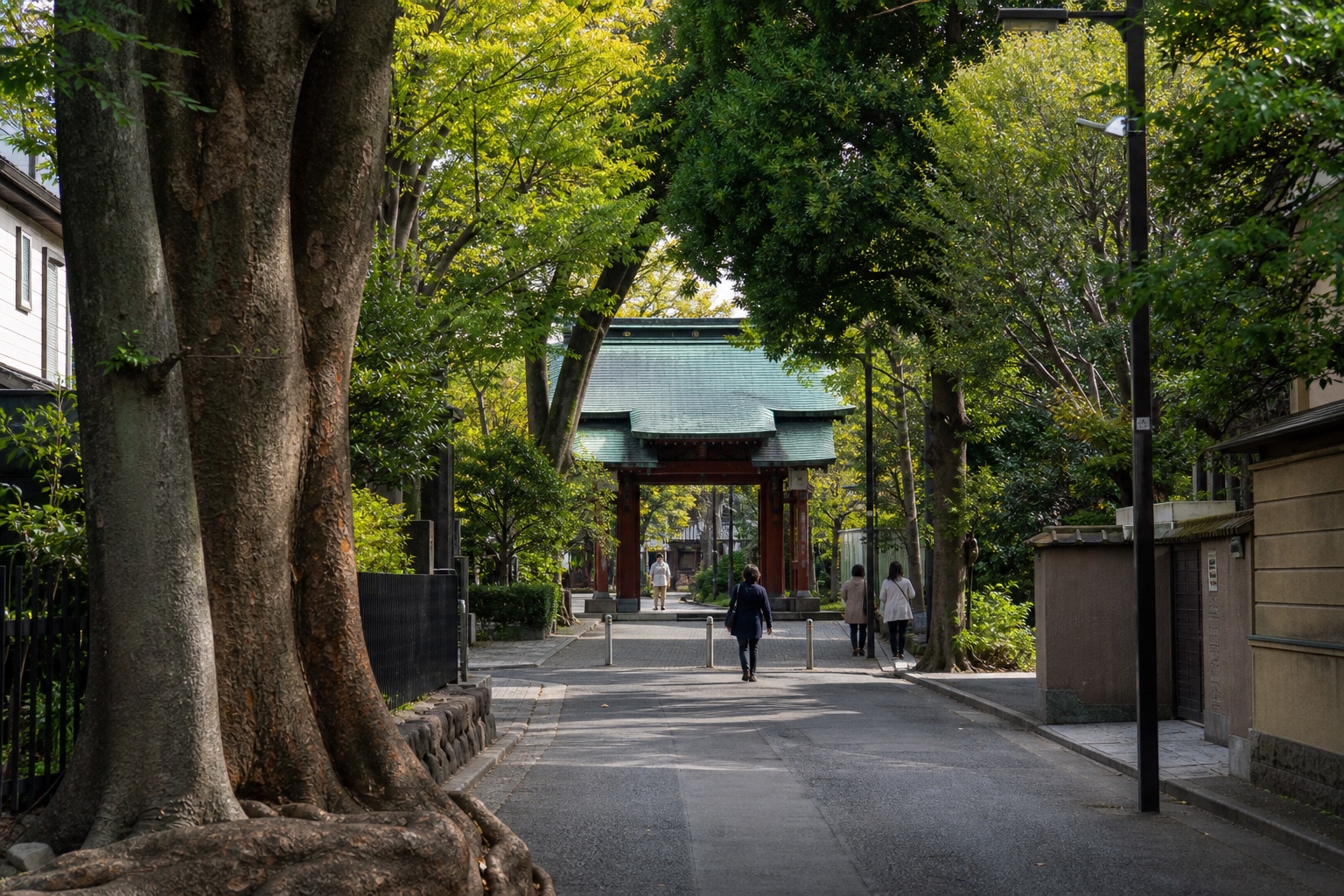
04Zoshigaya & Kishimojin Temple
Quiet heritage strollA quieter side trip with the retro Sakura Tram, Kishimojin Temple, and old-school kissaten.
Best Hotels in Ikebukuro
These five hotels cover the main Ikebukuro use cases: first Tokyo trip, Sunshine City family stay, easy East Exit routine, bath-first business hotel, and budget stay with a real hot spring.
- Our pick
Hotel Metropolitan Ikebukuro
City HotelHotel Metropolitan is on Ikebukuro’s west side. Its official access page lists about 3 minutes from West Exit (South), or about 1 minute from the JR Metropolitan Gate when it is open (07:00–23:00). Check the named room and official approach for your arrival line.
Pros:Compare this west-side hotel’s actual entrance route and room with the other properties. A station-side location does not establish the least risk or best room for every traveler.
Compare total stay price for your dates, room and all guests, including taxes and cancellation terms.Trade-off: Compare the named room’s floor area, services and total stay price with nearby options. Ask the hotel about noise and cancellation terms for your dates.
📍 Ikebukuro west side — check the hotel entrance route 🗺️ Map🗺️ Map Sunshine City Prince Hotel
City HotelThis is the city-hotel option embedded in Sunshine City itself. Sunshine City has an aquarium, planetarium, Pokémon Center, shops and dining. Check each facility’s current hours and the route from the hotel entrance. If you are carrying heavy luggage on the Marunouchi Line, Exit 34 is the documented elevator route; Exit 35 is the escalator alternative, so check the surface route to Sunshine City before choosing the nearest-looking staircase.
Pros:If Sunshine City attractions are in your plan, compare the hotel entrance with your arrival route and check current transport options.
Compare total stay price for your dates, room and all guests, including taxes and cancellation terms.Trade-off: Check the station-to-hotel route, walking time and indoor connections for your arrival line and mobility needs.
📍 East Exit, 5-8 min 🗺️ Map🗺️ MapHotel Resol Ikebukuro
Upper Mid-RangeHotel Resol Ikebukuro is an East-side hotel option. Check the named room, its facilities and the actual entrance route.
Pros:Compare the hotel-to-station route, named room and total stay price with other East-side options.
Compare total stay price for your dates, room and all guests, including taxes and cancellation terms.Trade-off: Check the named room’s usable floor area and bedding. Ask the hotel about current noise conditions if that matters to you.
📍 East Exit, 2 min 🗺️ Map🗺️ MapDormy Inn Ikebukuro
Business / OnsenDormy Inn Ikebukuro is on the Sunshine City side. Compare the named room and current bath facilities with other nearby hotels.
Pros:Check current bath hours, access rules and breakfast options before booking.
Compare total stay price for your dates, room and all guests, including taxes and cancellation terms.Trade-off: Confirm the room size, station approach and total stay price for your dates.
📍 5 min walk 🗺️ Map🗺️ MapSuper Hotel Premier Ikebukuro
Business / OnsenSuper Hotel Premier Ikebukuro is a west-side business-hotel option with a bath. Check the named room and current facilities before comparing it with other hotels.
Pros:Compare the named room, bath access rules and total stay price with other west-side options.
Compare total stay price for your dates, room and all guests, including taxes and cancellation terms.Trade-off: Check the route from your arrival exit, room floor area and cancellation terms before booking.
📍 5-7 min walk 🗺️ Map🗺️ Map
Who Is This Area For?
Great For
- Families: Sunshine City packs an aquarium, planetarium, Pokémon Center, and Namjatown. Harry Potter Studio Tour is just 20 minutes away on the Seibu Line. Best family infrastructure in Tokyo.
- Budget travelers: Compare your actual hotel dates, room area, beds, guests and cancellation terms with Shinjuku or Shibuya. Compare restaurant menus separately.
- Ramen lovers: Check the Ikebukuro branch details for Mutekiya, Mendokoro Hanada and Karashibi Miso Ramen Kikanbo below.
- First-time visitors: The station is easy to navigate (just East Exit and West Exit). Department stores, convenience stores, and drugstores are all within walking distance. Hard to get lost.
- Subculture fans: Otome Road (anime, manga, and doujinshi shops) runs along Sunshine City’s east side. A different flavor of otaku culture from Akihabara.
Not Ideal For
- Nightlife seekers: Clubs and the Golden Gai scene are in Shinjuku and Shibuya. Ikebukuro nights tend to end with dinner and a drink.
- Luxury shoppers: No flagship brand stores like Ginza or Omotesando.
- “Instant sightseeing” travelers: Ikebukuro isn’t a “step outside and see something iconic” area — it’s a “step outside and go anywhere” area.
Airport Access
Getting to the airports from Ikebukuro involves either a limousine bus or trains. Haneda requires one transfer; for Narita, the Skyliner via Nippori is the fastest route.
| Airport | Route | Time | Cost | Notes |
|---|---|---|---|---|
| Haneda | JR Yamanote → Shinagawa → Keikyu Line | ~45-55 min | ~¥700 | One transfer at Shinagawa. Cheapest standard route. |
| Haneda | Limousine Bus (from Sunshine City Prince Hotel) | ~60-70 min | ~¥1,400 | No transfers. Great with heavy luggage, but traffic delays possible. |
| Haneda | Taxi | ~40-60 min | ¥7,000-10,000 | Best option for late-night/early-morning. Use the GO app. |
| Narita | JR Yamanote → Nishi-Nippori → Skyliner | ~65-80 min | ~¥2,800 | Fast rail option via Nishi-Nippori and the Skyliner. Skyliner is all-reserved and comfortable. |
| Narita | Limousine Bus (from Sunshine City Prince Hotel) | ~90-120 min | ~¥3,200 | Direct from hotel. Good for families with lots of luggage. Traffic delays possible. |
Tip: Sunshine City Prince Hotel has limousine bus service to both Haneda and Narita. If you’re a family with multiple suitcases, the bus beats wrestling luggage through train stations. Tickets available at the hotel lobby.
Shinkansen Access
Ikebukuro doesn’t have its own Shinkansen station, but both Tokyo Station and Ueno Station are direct rides away.
| Shinkansen | Boarding Station | From Ikebukuro | Key Destinations |
|---|---|---|---|
| Tokaido Shinkansen | Tokyo Station | Marunouchi Line ~20 min | Kyoto (2h15m), Osaka (2h30m), Nagoya (1h40m) |
| Tohoku / Hokkaido Shinkansen | Ueno Station | JR Yamanote ~20 min | Sendai (1h25m), Morioka (2h10m), Shin-Hakodate (4h) |
| Hokuriku Shinkansen | Ueno / Tokyo | ~20 min | Kanazawa (2h25m), Nagano (1h20m) |
| Joetsu Shinkansen | Ueno / Tokyo | ~20 min | Niigata (2h), Echigo-Yuzawa (1h10m) |
Tip: The Marunouchi Line runs direct from Ikebukuro to Tokyo Station in about 20 minutes with no transfers. A day trip to Kyoto is entirely realistic.
Getting Around Tips
- Know your exits — East vs. West. East Exit = Sunshine City, restaurants, electronics stores, anime shops. West Exit = Hotel Metropolitan, Tobu Department Store, quieter streets. The station is huge — wrong exit means wasted time. For step-free Metro access, the official guide lists the Marunouchi Line elevator from Central Passage East Gate to Exit 34, an escalator to Exit 35, the Yurakucho Line elevator from South Passage West Gate to Exit 4 near Esola, and the Fukutoshin Line elevator from West Passage East Gate to Exit C9. Treat these as line-specific routes and check the official accessibility guide and station map against your hotel’s side.
- The Marunouchi Line is your lifeline. Direct from Ikebukuro to Tokyo Station. Use it for Shinkansen transfers, Ginza, and Korakuen (Tokyo Dome).
- The Fukutoshin Line is a hidden gem. Ikebukuro → Shinjuku-sanchome → Shibuya → Yokohama with no transfers. It connects directly with the Tokyu Toyoko Line, so you can ride all the way to Yokohama Chinatown without changing trains.
- Seibu Ikebukuro Line for Harry Potter. Ikebukuro → Toshimaen Station in about 20 minutes direct. That’s where Warner Bros. Studio Tour Tokyo is.
- The Yurakucho Line works too. Direct from Ikebukuro to Ginza-itchome. Often less crowded than the Marunouchi Line for reaching the Ginza area.
- IC card is essential. Suica or Pasmo works on JR, Metro, and private lines. If your phone supports Mobile Suica, you won’t even need a physical card.
What Kind of Place Is Ikebukuro?
Compared to Tokyo’s other major areas, here’s where Ikebukuro fits: The feel changes dramatically between exits. The East Exit is bustling entertainment — Sunshine City, electronics megastores, ramen shops, and izakaya packed together. The West Exit has Tobu Department Store and Hotel Metropolitan, then residential streets beyond. At night, the West side is noticeably quieter.
- If Shinjuku is “the mega-terminal that has everything,” Ikebukuro is “Shinjuku’s slightly calmer sibling.” Compare the actual transport route, hotel room and total stay price with Shinjuku for your itinerary.
- If Shibuya is “youth and trends,” Ikebukuro is “families and subculture.” Sunshine City’s family attractions coexist with Otome Road’s otaku culture.
- If Ueno is “museums and old-town charm,” Ikebukuro is “department stores and practicality.” Ueno wins on sightseeing, but Ikebukuro wins on shopping convenience and transit access.
Key Areas
East Exit Area
Ikebukuro’s main drag. Step out and you’ll see BicCamera and Yamada Denki side by side, with Parco and the Sunshine 60 Street stretching ahead. This is where restaurants are densest — the ramen battlefield lives here. At night, the izakaya signs light up and the energy picks up.
West Exit Area
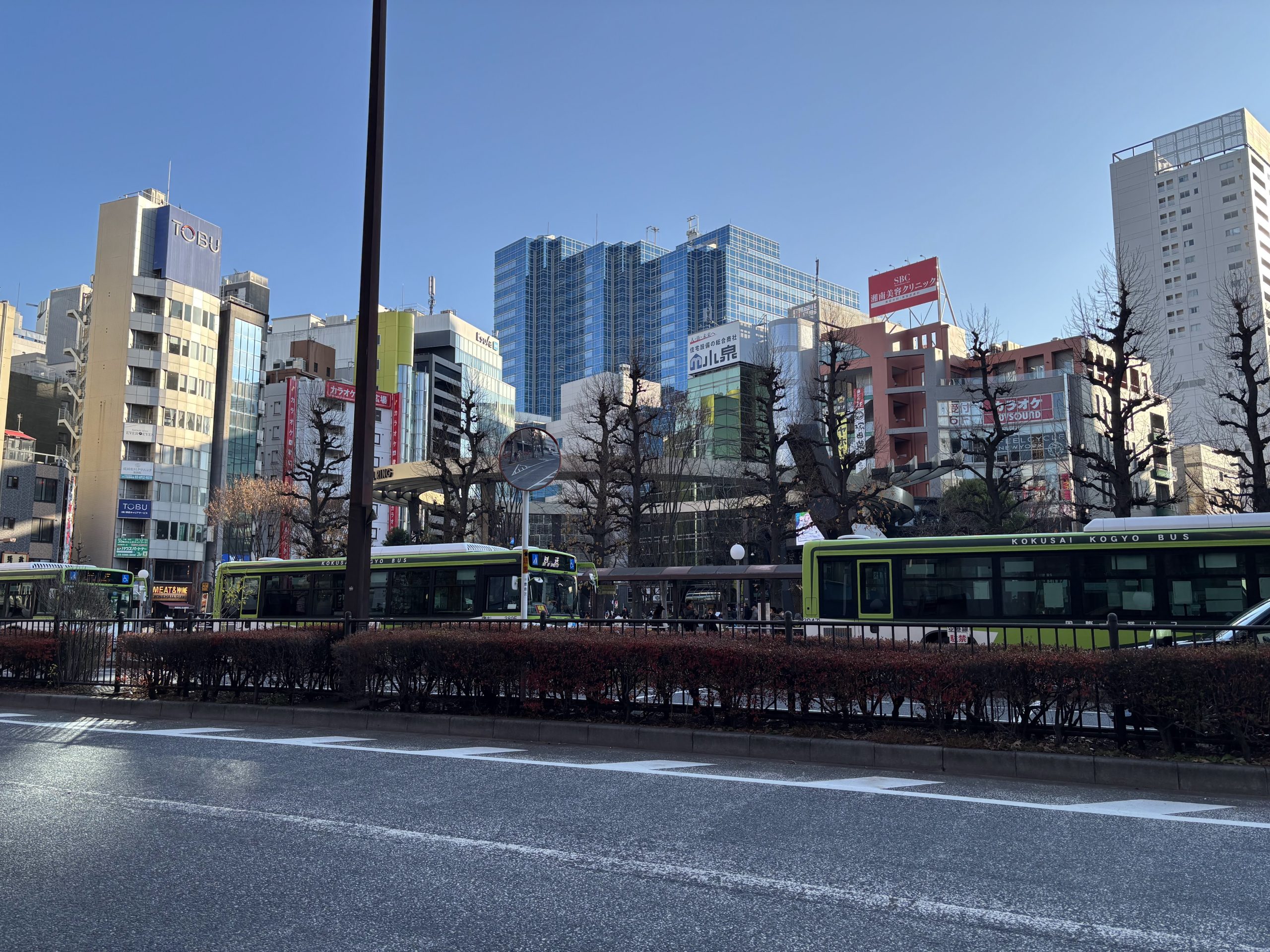
A completely different mood from the East. Tobu Department Store, Hotel Metropolitan, and Ikebukuro West Exit Park (Global Ring) are the landmarks. Behind Metropolitan, you’ll find small standing bars and local eateries — the kind of places neighborhood regulars frequent. If you want quiet nights, stay on the west side.
Sunshine City Area
A 5-8 minute walk from the East Exit. This massive complex houses the aquarium, planetarium, Pokémon Center, and Namjatown. The Alpa shopping mall offers practical stores like Uniqlo, ABC-Mart, and Daiso. If you stay at the Sunshine City Prince Hotel, you can access everything without stepping outside — even in the rain.
Otome Road (East Ikebukuro)
Running along Sunshine City’s east side, this is the street of manga, anime, and doujinshi shops. Sometimes called “the female Akihabara,” but in reality it’s enjoyed by everyone. Check the current addresses of Animate’s main store and the individual shops around Otome Road; they are not all on the same street.
Mejiro & Zoshigaya (South of Ikebukuro)
One stop from Ikebukuro on the Yamanote Line, Mejiro is an upscale residential area with Gakushuin University. Zoshigaya features the retro Toden Arakawa Line (Sakura Tram), Kishimojin Temple, and small old-school kissaten. It’s strikingly quiet compared to Ikebukuro — excellent for a peaceful stroll.
Day vs. Night
Daytime Ikebukuro
Daytime in Ikebukuro revolves around shopping and attractions. Power move: Spend the morning at Sunshine City, then hop on the Seibu Line for the Harry Potter Studio Tour in the afternoon. Drop your bags at the hotel and move light.
- Sunshine Aquarium — An aquarium on top of a building. The “Penguins in the Sky” exhibit — where penguins appear to fly overhead — is the signature attraction. Adults ¥2,600, children ¥1,300.
- Seibu & Tobu Depachika (basement food halls) — A treasure trove of Japanese sweets, bento boxes, and seasonal delicacies. Tasting samples available. Perfect for souvenir shopping too.
- BicCamera & Yamada Denki — Two massive electronics megastores facing each other at the East Exit. Tax-free shopping available. Electronics, cameras, games, and toys all in one place.
- Sunshine 60 Observatory “Tenbou Park” — Renovated in 2023. A new-style observatory where you can lounge on turf grass while taking in Tokyo’s panorama. Adults from ¥700.
Nighttime Ikebukuro
Ikebukuro’s nights are quieter than Shinjuku or Shibuya, but the East Exit offers plenty of options. For a bigger night out, take the Yamanote Line to Shibuya (15 min) or Shinjuku (5 min).
- East Exit izakaya strip — Izakaya, yakitori joints, and ramen shops cluster around Sunshine 60 Street. Budget ¥2,000-3,000 per spot.
- West Exit hidden gems — Behind Hotel Metropolitan, local standing bars and small pubs attract regulars rather than tourists. Relaxed drinking.
- Late-night ramen — Mutekiya’s official branch page lists 1-17-1 Minami-Ikebukuro and current hours; check temporary closures before relying on a late meal.
- Craft beer — Nihonbashi Brewery Ikebukuro’s current reservation page lists 1-40-7 Higashi-Ikebukuro, 2F, on the East side. Check its opening conditions before visiting.
Where to Eat and Drink
Ikebukuro has a range of dining options around the station. Check each named branch’s official address, hours and menu before choosing a stop.
Ramen
Mutekiya — Its official branch page lists 1-17-1 Minami-Ikebukuro and current hours; check temporary closures. Karashibi Miso Ramen Kikanbo Ikebukuro — Its official branch page lists 1-13-14 Higashi-Ikebukuro and current hours. Mendokoro Hanada Ikebukuro — Its official branch page lists 1-23-8 Higashi-Ikebukuro and current hours. Check current menus and prices before visiting.
Depachika Gourmet
The basement food halls of Seibu and Tobu department stores are “food theme parks.” Premium bento, Japanese sweets, sushi, and seasonal desserts line the counters. Buying a depachika bento and eating it in your hotel room is something even Tokyo locals regularly do. Tobu’s depachika tends to be less crowded than Seibu’s.
Budget Eats
For a lower-cost meal, compare current branch menus and total prices around your station exit before choosing a restaurant.
Izakaya & Bars
For craft beer, Nihonbashi Brewery Ikebukuro has a current reservation page listing 1-40-7 Higashi-Ikebukuro, 2F, on the East side. Check the branch’s opening conditions and menu before visiting.
Late-Night Eats (After 10 PM)
Mutekiya — Its official page lists 1-17-1 Minami-Ikebukuro and hours until 4 AM; check temporary closures before planning a late meal. For other options, confirm the specific branch’s hours and current menu.
Family-Friendly Dining
Sunshine City restaurants — Wide variety of Japanese, Western, and Chinese options. Food courts let kids choose what they want. Tobu Department Store restaurant floor — Calm atmosphere, easy to enter with children. Good Japanese lunch sets. Namjatown — A food theme park inside Sunshine City. Check NAMJATOWN’s current dining areas, ticket requirements and operating hours before using it as a meal stop.
Price check: Compare current menu prices and any seating or service charges for the exact branch before visiting.
Cafés
For a café stop, check the exact branch’s current location, hours and menu. Starbucks Ikebukuro Sunshine-dori — Its official branch page lists 1-20-5 Higashi-Ikebukuro on Sunshine-dori, specifically not Sunshine 60 Street. Tsubakiya Coffee Ikebukuro Saryo — Its official branch page lists 1-6-4 Higashi-Ikebukuro B1F and current hours. Confirm available seating and prices when you go.
Shopping and Practical Stores
Ikebukuro is a “compact shopping zone” — giant department stores to 100-yen shops, all within walking distance of the station. Seibu Department Store (East Exit) — The East Exit landmark. Fashion, cosmetics, and an excellent depachika. The basement food hall is popular with foreign visitors too. Tobu Department Store (West Exit) — Connected directly to the West Exit. The depachika is less crowded than Seibu’s — better for browsing at your own pace. The rooftop offers a panoramic view of Ikebukuro. Sunshine City Alpa — A mall with practical shops: Uniqlo, ABC-Mart, Daiso, and more. Indoor shopping that works even on rainy days. BicCamera Ikebukuro Main Store — A massive multi-floor electronics store right at the East Exit. Tax-free shopping available. Electronics, cameras, toys, and games all under one roof. Yamada Denki LABI Ikebukuro — Directly across from BicCamera. Same product range, so comparing prices between the two before buying is the local move. Don Quijote Ikebukuro East Exit — Open late, packed with discounted souvenirs, snacks, cosmetics, and miscellaneous goods in organized chaos. Tax-free available.
Shopping tip: Compare electronics prices between BicCamera and Yamada Denki. Get daily essentials at Daiso & drugstores in Sunshine Alpa. Pick up Japanese sweets at the depachika for souvenirs.
Safety and Security
Ikebukuro is a fundamentally safe area. During the day, it’s a normal bustling commercial district with nothing to worry about. North Exit changes — The north side of Ikebukuro used to have a rough reputation, but recent redevelopment has improved things dramatically. Check current local information for the streets you intend to use; the guide has no attributable safety survey for this claim. East Exit at night — The izakaya zone gets lively after dark, but touts are far fewer than in Shinjuku’s Kabukicho. If someone approaches you, just ignore them and keep walking. Plan your evening route on the West side — Choose a well-lit public route and ask your hotel about the approach if arriving late. Office and hotel concentration does not establish safety or quiet on every street. Koban (police box) — There are koban at both the East Exit (near Parco) and the West Exit. Officers speak limited English, but they’ll work with you if you show a translation app on your phone.
Bottom line: Avoid following touts, keep valuables secure and leave situations that feel uncomfortable. Plan the hotel approach and evening return route rather than relying on a district-wide guarantee.
Chain Stores and Convenience Reference
| Brand | Store | Category | Access | Official | Maps | Notes |
|---|---|---|---|---|---|---|
| Uniqlo | Sunshine City Alpa | Clothing | East Exit, 8 min | Official | Map | Inside Sunshine City |
| Don Quijote | Ikebukuro East Exit | Discount | East Exit, 3 min | Official | Map | Open late / Tax-free |
| MUJI | Seibu Ikebukuro | Lifestyle | Inside Seibu (East Exit) | Official | Map | Wide selection |
| Daiso | Ikebukuro | 100-yen shop | East Exit, 5 min | Official | Map | Travel essentials here |
| BicCamera | Ikebukuro Main Store | Electronics | East Exit, 1 min | Official | Map | Multi-floor / Tax-free |
| Yamada Denki | LABI Ikebukuro | Electronics | East Exit, 2 min | Official | Map | BicCamera’s rival |
| Matsumoto Kiyoshi | Ikebukuro East Exit | Drugstore | East Exit, 2 min | Official | Map | Tax-free / Cosmetics |
| Tokyu Hands | Ikebukuro | Lifestyle / DIY | East Exit, 5 min | Official | Map | Souvenirs / Stationery / Crafts |
Transport Access Table
| Destination | Route | Time | Cost | Notes |
|---|---|---|---|---|
| Shinjuku | JR Yamanote Line | ~5-8 min | ¥160 | Direct. Extremely frequent. |
| Shibuya | JR Yamanote or Fukutoshin Line | ~12-15 min | ¥180 | Fukutoshin Line is less crowded. |
| Tokyo Station | Marunouchi Line (starts at Ikebukuro) | ~18-22 min | ¥210 | Direct. Best for Shinkansen transfers. |
| Ueno | JR Yamanote Line | ~18-22 min | ¥180 | Direct. No transfers. |
| Asakusa | Marunouchi → Ginza Line (transfer at Akasaka-mitsuke) | ~30-35 min | ¥250 | JR Yamanote to Ueno → Ginza Line also works. |
| Ginza | Yurakucho Line (Ikebukuro → Ginza-itchome) | ~20-25 min | ¥210 | Direct. Less crowded than Marunouchi Line. |
| Haneda Airport | JR Yamanote → Shinagawa → Keikyu | ~45-55 min | ~¥700 | One transfer. Limousine bus also available. |
| Narita Airport | JR → Nippori → Skyliner | ~65-80 min | ~¥2,800 | Nippori is 2 stops away. Skyliner is fastest. |
| Harry Potter (Toshimaen) | Seibu Ikebukuro Line or Fukutoshin Line | ~15-25 min | ~¥200 | Direct. A major advantage of staying in Ikebukuro. |
| Yokohama | Fukutoshin → Tokyu Toyoko (through service) | ~50-60 min | ~¥600 | No transfers all the way to Yokohama Chinatown. |
Nearby Side Trips
- Warner Bros. Studio Tour Tokyo (Harry Potter) — Direct on the Seibu Line to Toshimaen Station, about 20 minutes. Advance tickets required. One of the biggest reasons to base yourself in Ikebukuro.
- Shinjuku — 5 minutes on the JR Yamanote Line. Massive shopping and nightlife.
- Mejiro / Gakushuin — One stop on the Yamanote Line. A quiet university campus and upscale residential streets. Great for a peaceful walk.
- Zoshigaya — 10 minutes on foot from East Ikebukuro. The retro Toden Arakawa Line, Kishimojin Temple, and old-school kissaten. Strikingly quiet considering it’s next to Ikebukuro.
- Chichibu — About 80 minutes on the Seibu Ikebukuro Line express. Mountains, rivers, and shrines for a day trip. Shibazakura (moss phlox) in spring, autumn leaves in fall.
- —
Practical tips
- IKEBUS: The community bus circles parks and visitor facilities around Ikebukuro. A single ride is ¥200 for adults and ¥100 for children, people aged 65 or over, and passengers with disabilities. A one-day pass is ¥500 for adults and ¥250 for the discounted categories; preschool children ride free.
- Choosing a hotel: Use Hotel Metropolitan for the West Exit side. Sunshine City Prince Hotel is directly connected to Sunshine City and is about an eight-minute walk from Ikebukuro Station Exit 35. Hotel Resol, Dormy Inn, and Super Hotel suit different East-side priorities such as station access, a public bath, or value.
- Crowds: Sunshine City and Otome Road are busiest on weekend afternoons. Go earlier if shopping or family attractions are the main reason for staying here.
- Station planning: Save the hotel’s recommended exit in your map app before arrival. The underground passages are useful, but they are not a substitute for choosing the correct side.
FAQ
Should I stay on the East Exit or West Exit side?
Choose the East side if Sunshine City, major shopping, Otome Road, and family attractions are priorities. The West side is useful for Hotel Metropolitan, the Tokyo Metropolitan Theatre, and a quieter connection toward Mejiro and Zoshigaya. The two sides are not interchangeable when you have luggage, so choose a hotel near the exit you expect to use.
How do I get from Narita to Ikebukuro?
The easiest luggage-friendly option is the direct Airport Limousine Bus to Sunshine City Prince Hotel, which takes roughly 90–120 minutes depending on traffic. By train, take the Skyliner to Nishi-Nippori and transfer to the Yamanote Line; the rail journey is usually about 48 minutes before the walk to your hotel.
What is the easiest route from Haneda?
The direct Airport Limousine Bus to Sunshine City Prince Hotel takes about 60–70 minutes. By train, use the Tokyo Monorail to Hamamatsucho and transfer to the Yamanote Line. Allow extra time for the transfer and the walk from Ikebukuro’s East Exit.
Is Ikebukuro cheaper than Shinjuku?
Compare hotels for the same dates, number of guests, room area, bed setup and cancellation terms. This guide does not establish a fixed price advantage for Ikebukuro.
Is Ikebukuro good for families?
Yes, especially around Sunshine City. The complex combines an aquarium, observatory, planetarium, shopping, and restaurants, although each facility has its own hours and ticket rules. The Warner Bros. Studio Tour Tokyo is a direct 17-minute ride from Seibu Ikebukuro Station to Toshimaen, followed by a two-minute walk; timed entry is required.
Are transfers at Ikebukuro Station confusing?
They can be. Tobu and the West Exit are on one side, while Seibu and the East Exit are on the other. JR Yamanote, Saikyo, and Shonan-Shinjuku services share the station area with the Tobu, Seibu, Marunouchi, Yurakucho, and Fukutoshin lines. Check the hotel’s recommended exit before leaving the platform.
Can I find dinner late at night?
Usually, yes around the station, but opening hours vary by block and day. Sunshine City is more convenient for early and family-friendly meals; the station-area izakaya and ramen streets are better for later dinners. Check the individual restaurant before making it your only plan.
Explore more Tokyo areas
Compare nearby bases before choosing your hotel.
Compare Ikebukuro with nearby bases before choosing your hotel.
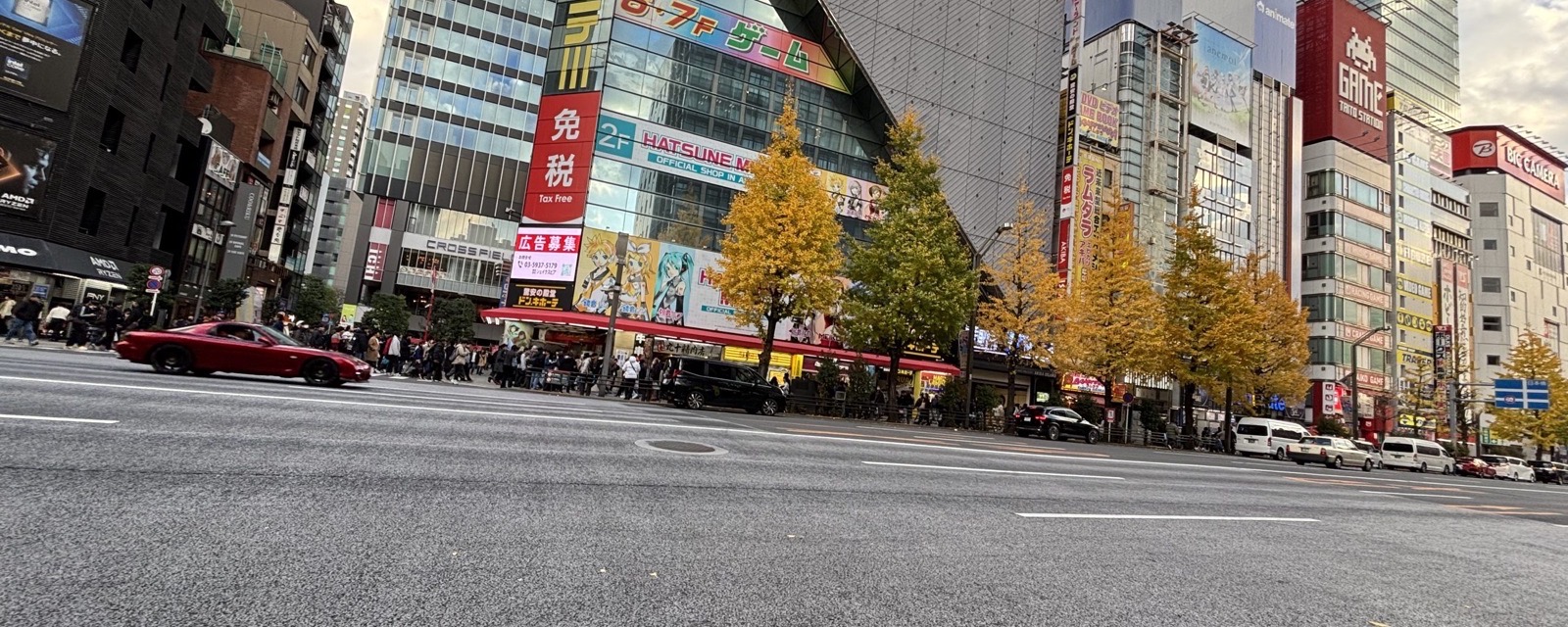 AkihabaraElectronics, anime, and a compact east-Tokyo rail base. About 20 minutes by the Yamanote Line, depending on the train and transfer conditions.
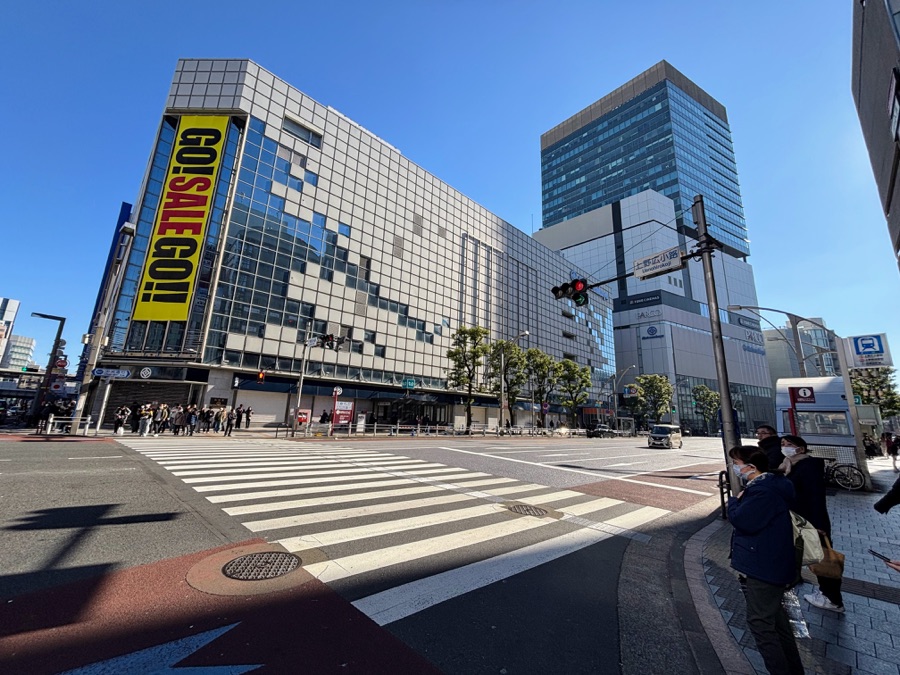 UenoMuseums, Ameyoko, and a direct Narita rail option. A more practical choice for airport-focused itineraries.
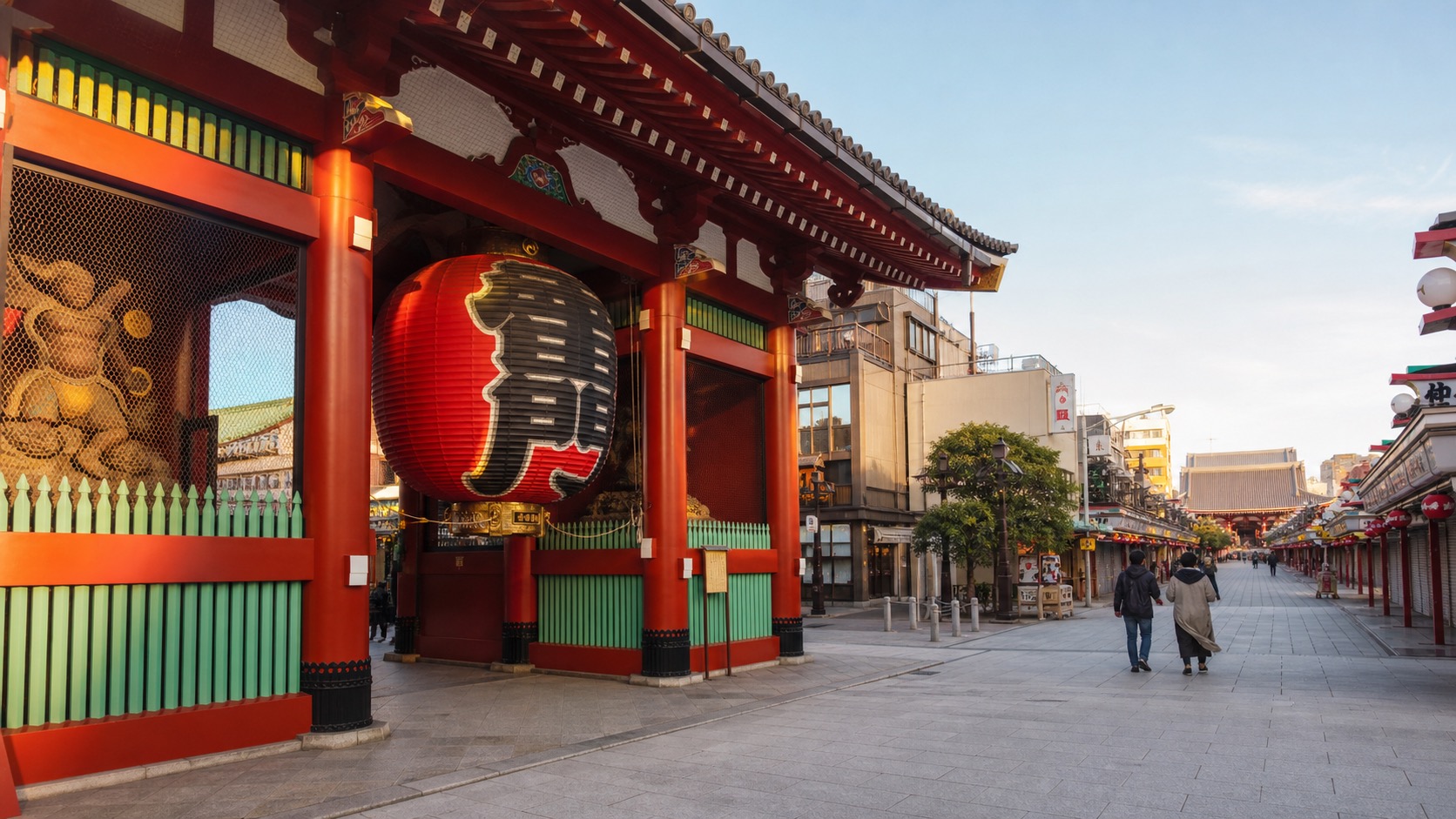 AsakusaSenso-ji and a traditional atmosphere. Allow about 30 minutes by subway with a transfer.
Some links below are affiliate links. If you book through them we may earn a small commission at no extra cost to you.