Where to Stay in Asakusa Tokyo: Best Hotels near Senso-ji & Skytree
Stay in Asakusa for Senso-ji, Nakamise Street, direct airport trains, and a calmer old-Tokyo atmosphere after day-trippers leave.
Quick links
Overview
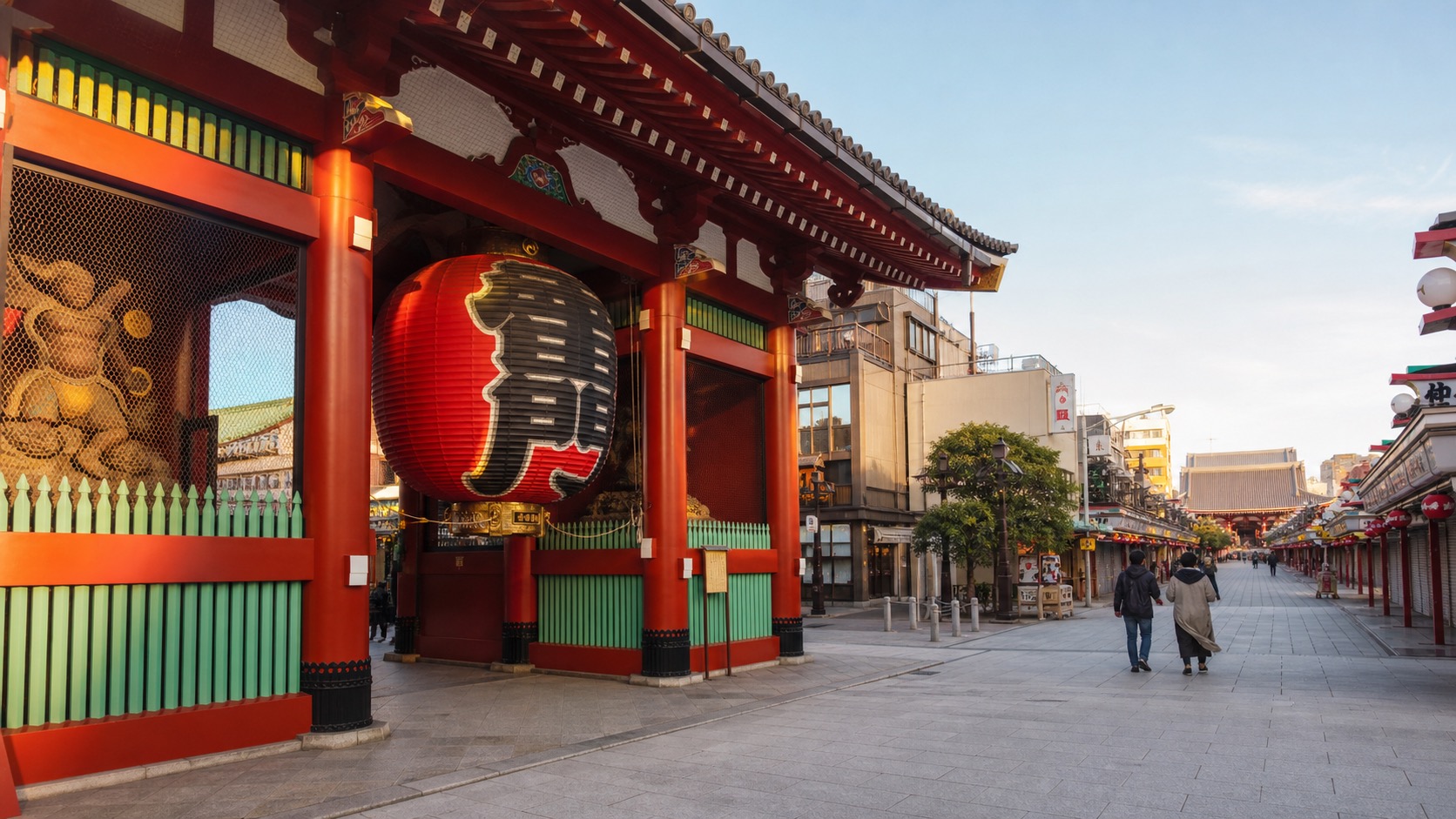
Asakusa is one of the strongest hotel bases in Tokyo if your trip is built around culture, family sightseeing, and easy airport access. Senso-ji Temple, Kaminarimon Gate, Nakamise Street, and Tokyo Skytree are all part of the daily scenery here, so the area gives first-time visitors the “Tokyo that looks like Japan” feeling immediately.
The trade-off is crowding. Nakamise can be shoulder-to-shoulder by late morning, especially on weekends and holidays. That does not make Asakusa a bad base; it changes how you should use it. Stay overnight, visit Senso-ji before 8 AM or after sunset, and you see a much better version of the neighborhood than most day-trippers ever get.
Compared with Ueno, Asakusa feels more atmospheric but slightly less central for JR trains. Compared with Akihabara, it is calmer and more traditional. Compared with Ginza, it is cheaper and more local, but weaker for luxury shopping and late-night dining.
Best for
First-time Tokyo visitors, families, temple mornings, Skytree side trips, and travelers arriving from Haneda or Narita with luggage.
Not ideal for
Late-night bar hopping, luxury shopping, JR-heavy day trips, or travelers who want Shinjuku and Shibuya within a short ride.
Stay strategy
Book near Ginza Line or Toei Asakusa Line Asakusa Station if transit matters. TX Asakusa is useful, but it sits farther west.

Asakusa orientation
Must-see Asakusa landmarks and attractions
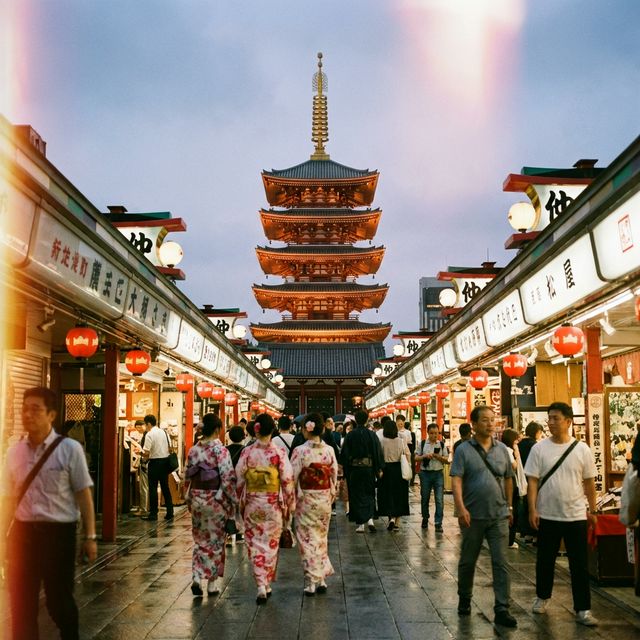
Asakusa’s core attractions form a compact east-side loop: Senso-ji > Nakamise-dori > Sumida River > Tokyo Skytree. Use this visual shortlist to choose what to see first and where a hotel should sit.
 01
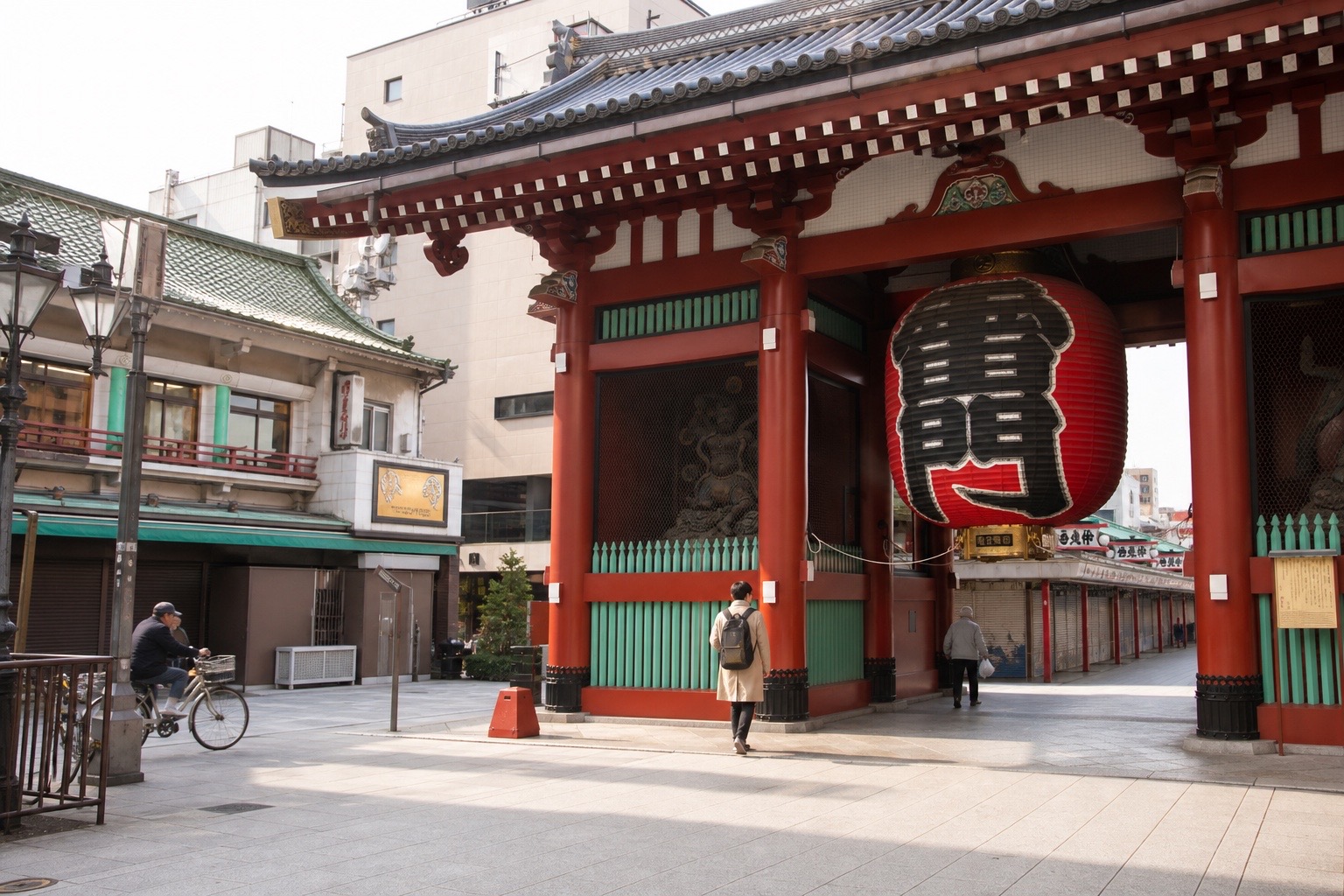
01Senso-ji Temple & Kaminarimon
Temple – historic landmarkStart at Kaminarimon, walk the 250m Nakamise approach, and see Tokyo’s best-known temple district in one compact visit.
 02
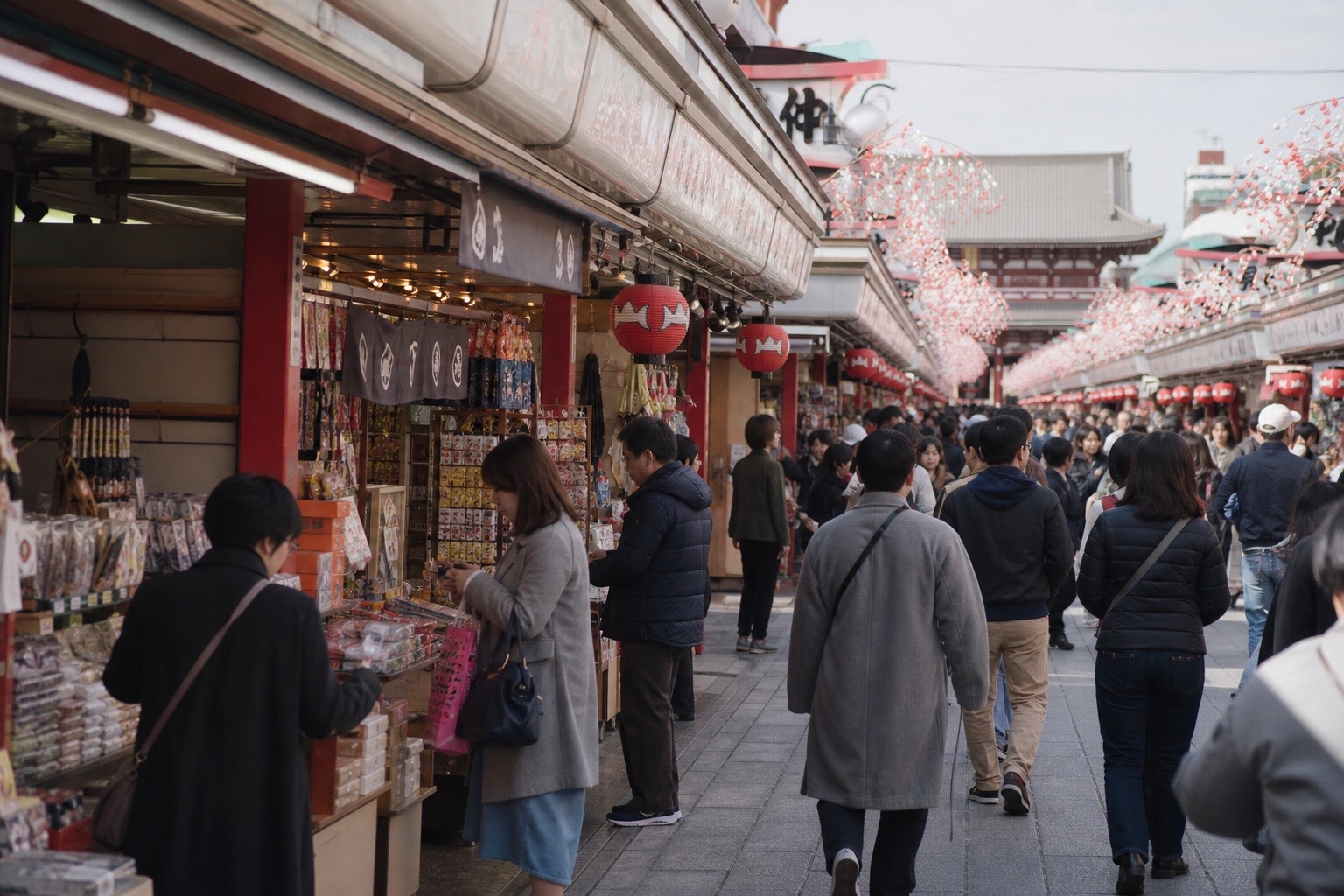
02Nakamise Shopping Street
Souvenirs – street foodFind ningyo-yaki, sweets, crafts, and small Tokyo gifts along the 250m street.
 03
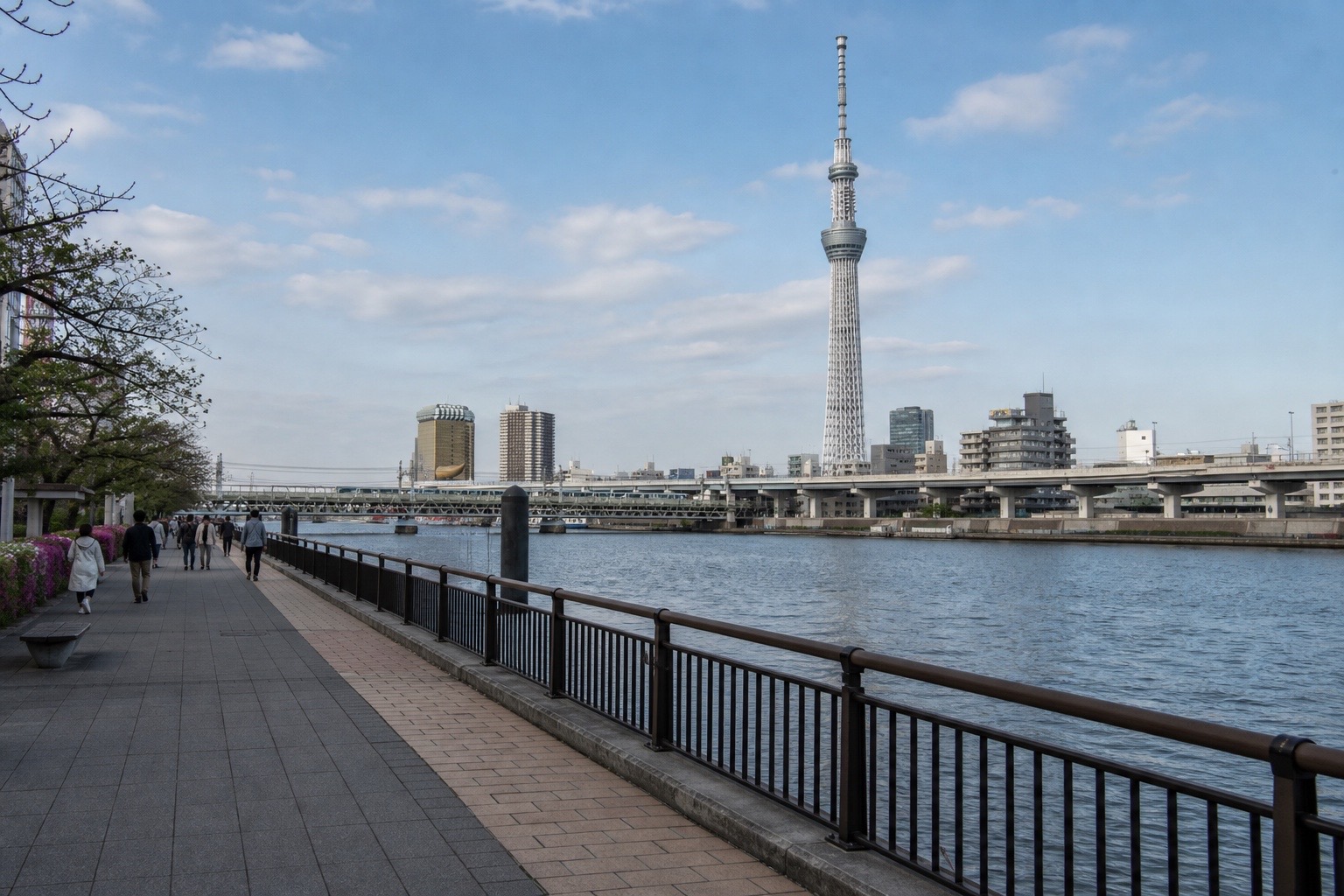
03Sumida River & Sumida Park
Open air – Skytree viewsUse the riverside for cherry blossoms, fireworks, family walks, and a wider view beyond the narrow temple streets.
 04
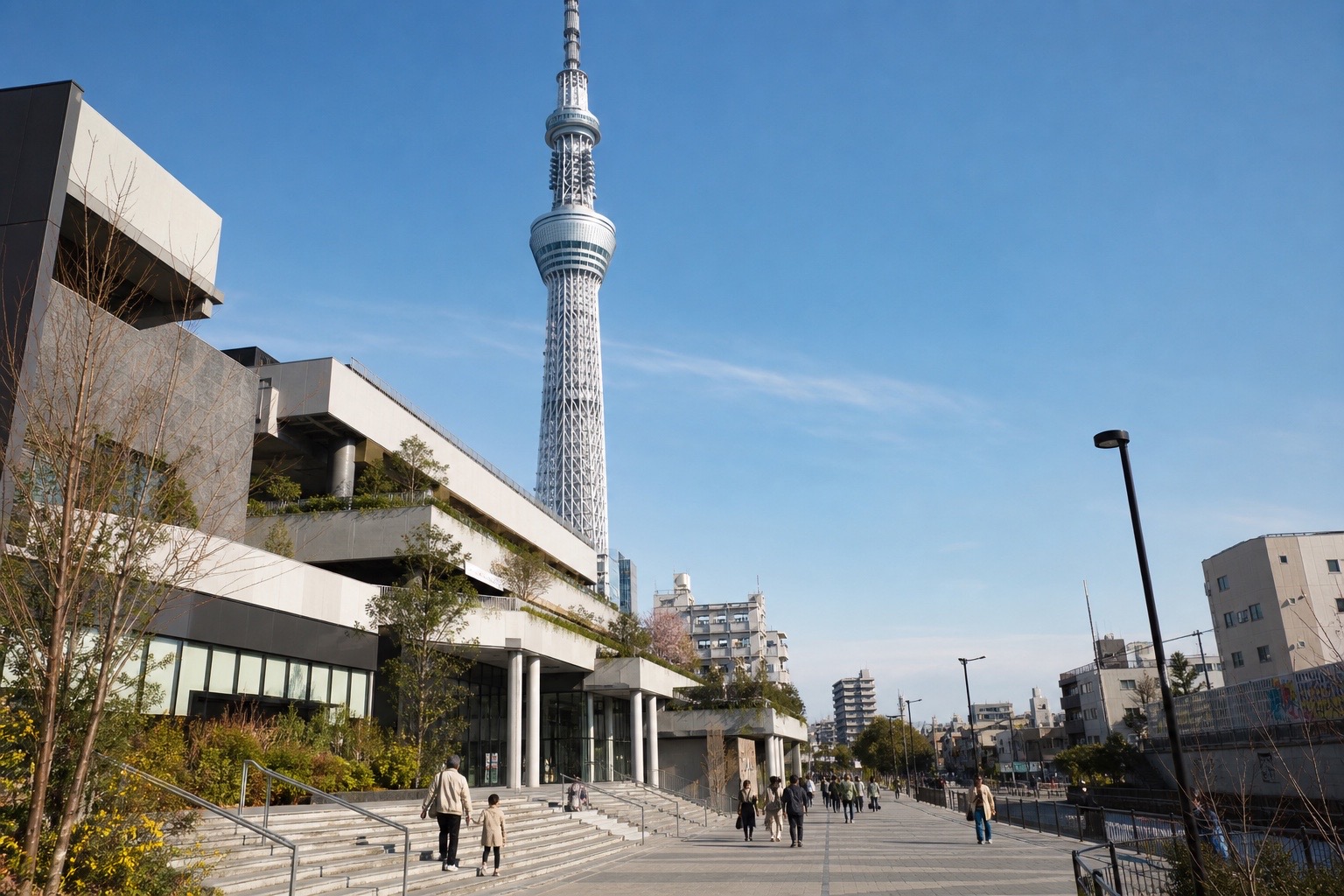
04Tokyo Skytree & Solamachi
Family stop – indoor backupPair a traditional Asakusa visit with an aquarium, restaurants, and indoor shopping nearby.
Compare Asakusa hotels by station, temple access, Skytree plans, and evening food rather than treating the area as one uniform base.
Getting around from Asakusa

Asakusa is easily accessible. It’s about 20 minutes from Tokyo Station via the Ginza Line (with a transfer at Kanda). It’s very close to Ueno (5 mins by Ginza Line). From Narita Airport, take the Keisei Skyliner to Ueno and switch to the Ginza Line (60-70 mins total). A taxi from Ueno is also affordable.
From Haneda Airport, the Keikyu Line offers direct trains to Asakusa in about 40-50 minutes.
Warning: Asakusa is wider than you think. Specifically, “Asakusa Station” (Ginza/Tobu/Asakusa Lines) and “TX Asakusa Station” (Tsukuba Express) are different and about 10-15 minutes apart by foot. Check which station your hotel is near.
Arriving with luggage: Tokyo Metro’s official guide identifies the elevator route from Sensoji/Kaminarimon Gate to Exit 1. That does not automatically cover the Toei Asakusa Line, Tobu Asakusa, or TX Asakusa entrances, so check the operator for your actual train and hotel. Use the Tokyo Metro accessibility guide, English station map, and TX Asakusa station guide before walking from the platform.
Airport access from Haneda and Narita
Asakusa is one of Tokyo’s easiest hotel bases for airport trains because both airports can connect through the Toei Asakusa Line. The key is choosing the right train: Haneda is usually the simplest, while Narita has both a cheaper direct option and a faster route via Ueno.
Haneda: easiest
Use Keikyu / Toei Asakusa Line through-services. If the train runs direct, Asakusa is about 35-45 minutes with no transfer.
Narita: cheapest direct
Keisei Access Express can run through to Asakusa in about 60-70 minutes. Check the destination sign before boarding.
Narita: faster via Ueno
Skyliner to Ueno is more predictable. From Ueno, take the Ginza Line or a short taxi if luggage is heavy.
Transport Access Table
| Destination | Mode | Route | Transfers | Time (min) | Fare (JPY) | Taxi Time | Taxi Fare | Notes |
|---|---|---|---|---|---|---|---|---|
| Shinjuku | Train | Asakusa → Kanda (Ginza Line) → Shinjuku (JR Chuo) | 1 | 30-35 | 350 | 30-40 | 4,500-5,500 | Transfer at Kanda is fast and simple. |
| Shibuya | Train | Asakusa → Shibuya (Ginza Line) | 0 | 35-40 | 260 | 30-40 | 5,000-6,500 | Ginza Line starts here, so you can sit. Easy but takes time. |
| Tokyo Station | Train | Asakusa → Kanda (Ginza Line) → Tokyo (JR Yamanote) | 1 | 20-25 | 330 | 15-20 | 2,200-2,800 | Must transfer to JR. Taxi recommended for groups. |
| Ginza | Train | Asakusa → Ginza (Ginza Line) | 0 | 15-20 | 210 | 15-20 | 2,500-3,200 | Direct access. |
| Ueno | Train | Asakusa → Ueno (Ginza Line) | 0 | 5-8 | 180 | 10-15 | 1,200-1,600 | Very close. Walkable (20-30 mins) if light luggage. |
| Narita Airport | Train | Asakusa → Narita (Asakusa Line Access Exp.) | 0 | 60-70 | 1,380 | 60-80 | 25k-30k | Direct if you catch the “Access Express”. Otherwise use Skyliner from Ueno. |
| Haneda Airport | Train | Asakusa → Haneda (Asakusa Line) | 0 | 35-45 | 630 | 30-40 | 9k-11k | Direct access available. |
How to Get to Asakusa from Narita and Haneda
Asakusa has a unique advantage: the Toei Asakusa Line runs direct trains to both Narita and Haneda airports.
Narita Airport → Asakusa
Keisei Access Express (via Asakusa Line)
- Narita Airport → Asakusa Station: about 60–70 minutes, ¥1,380
- Direct train, no transfers needed (if you catch the right “Access Express” service)
- Not all trains run direct — check the departure board for “Asakusa Line direct” services
Alternative: Skyliner to Ueno + Ginza Line
- Narita → Ueno (Skyliner, 41 min) → Asakusa (Ginza Line, 5 min): about 55 min, ~¥2,700
- Faster but more expensive and requires a transfer
- If your flight arrives late and you want guaranteed speed, this is the better option
Haneda Airport → Asakusa
Keikyu / Asakusa Line direct
- Haneda Airport → Asakusa Station: about 35–45 minutes, ¥630
- Direct trains run on the Keikyu–Asakusa Line through-service
- Not every train goes to Asakusa — check the destination sign. Look for trains bound for “Aoto” or beyond
Taxi
- Haneda → Asakusa: 30–40 min, ¥7,000–9,000
- Narita → Asakusa: 60–80 min, ¥25,000–30,000
Quick comparison
| Situation | Best option | Why |
|---|---|---|
| Narita, budget | Access Express (direct) | ¥1,380, no transfer |
| Narita, want speed | Skyliner + Ginza Line | 55 min total, reserved seat |
| Haneda | Keikyu / Asakusa Line direct | 35–45 min, cheap, direct |
| Late night / heavy luggage | Taxi | No transfers, door to door |
Shinkansen (Bullet Train) Access from Asakusa
Asakusa is not a Shinkansen station, but Tokyo Station and Ueno Station are both quick rides away.
To Ueno Station
- Ginza Line from Asakusa → Ueno: three Ginza Line stops, ¥180, with additional time needed to reach the JR Shinkansen platforms
- At Ueno, follow signs from the Tokyo Metro station to JR’s Shinkansen platforms and confirm that your chosen train stops there
To Tokyo Station
- Ginza Line from Asakusa → Kanda (15 min) → JR to Tokyo Station (2 min): about 20 min, ~¥330
- Or take a taxi from Asakusa to Tokyo Station: about 15–20 min, ¥2,200–2,800
- Tokyo Station serves the Tokaido Shinkansen toward Kyoto and Shin-Osaka and JR East’s northbound Shinkansen services. Check the train and departure station for your destination.
Key destinations
| Destination | From | Train | Time | Fare (reserved) | ||||
|---|---|---|---|---|---|---|---|---|
| Sendai | Ueno (Ginza Line, then station transfer) | Hayabusa | ~1h 25min | ¥11,210 | ||||
| Niigata | Ueno (Ginza Line, then station transfer) | Toki | ~1h 40min | ¥10,230 | ||||
| Kyoto | Tokyo Stn (20 min away) | Nozomi | ~2h 15min | ¥13,320 | ||||
| Osaka (Shin-Osaka) | Tokyo Stn (20 min away) | Nozomi | ~2h 30min | ¥13,870 |
For JR East Shinkansen trips from Ueno, ride the Ginza Line to Ueno, allow time to reach the JR platforms, and confirm that your chosen service stops there.
Shopping
Asakusa’s shopping is different from Shibuya or Ginza. It’s focused on traditional crafts, souvenirs, and unique Japanese goods.
Nakamise Street
The 250m approach to Senso-ji is Tokyo’s oldest shopping street. Ningyo-yaki (doll-shaped cakes), sensu (folding fans), tenugui (hand towels), and Japanese sweets are the main draws. Prices are tourist-oriented but reasonable. Buy ningyo-yaki fresh—they’re best warm.
Kappabashi Kitchen Town
A 10-minute walk from the temple, this is Japan’s largest kitchenware district. Over 170 shops sell everything from professional knives to the famous plastic food samples (shokuhin sampuru). The food samples make incredible souvenirs—unique to Japan and impossible to find elsewhere. Budget ¥2,000-5,000 for a good replica sushi set.
Solamachi for an indoor shopping afternoon
For character goods and an indoor meal break, make Tokyo Solamachi a separate stop at the foot of Skytree. Pokémon Center SKYTREE TOWN is on East Yard 4F; save the yard and floor rather than searching only for “Skytree.” This can pair with an Asakusa temple morning, but leave time for the journey and check admission separately for the tower, aquarium or a themed café.
ENGAWA ASAKUSA (opened October 2025)
A new concept store 2 minutes from Senso-ji, curating Japanese crafts and artisan products from across the country. About half the customers are international visitors. Includes a cafe-bar serving drinks made with regional ingredients. Worth a stop if you want higher-end souvenirs with stories behind them.
Everyday needs
Check current store locations near your hotel for everyday shopping. Ueno is three Ginza Line stops from Asakusa, via Tawaramachi and Inaricho.
Chain Stores and Convenience Reference
| Brand | Store | Category | Access | Google Maps | Hours | Notes |
|---|---|---|---|---|---|---|
| Don Quijote | Don Quijote Asakusa | Discount | TX Asakusa 1 min | Map | 24h | Tax-free. Souvenirs, snacks, cosmetics |
| DAISO | DAISO Asakusa ROX 4F | ¥100 Shop | TX Asakusa 1 min | Map | 10:30–21:00 | Travel supplies, souvenirs |
| Seria | Seria EKIMISE 5F | ¥100 Shop | Tobu Asakusa 0 min | Map | 10:00–20:00 | Inside station building |
| UNIQLO | UNIQLO Asakusa | Clothing | TX Asakusa 1 min | Map | 10:00–20:00 | Rain gear, layering basics |
| GU | GU Asakusa ROX 3G 2F | Clothing | TX Asakusa 2 min | Map | 10:30–21:00 | Budget clothing |
| MUJI | MUJI Asakusa ROX 3F | Variety | TX Asakusa 1 min | Map | 10:30–21:00 | Travel essentials, stationery |
| Matsumoto Kiyoshi | Matsumoto Kiyoshi Asakusa 1-chome | Drugstore | TX Asakusa 3 min | Map | 10:00–23:00 | Tax-free. Cosmetics, medicine |
| Sundrug | Sundrug Tobu Asakusa Ekimae | Drugstore | Tobu Asakusa 0 min | Map | 10:30–19:00 | Right at station exit |
| Komeda Coffee | Komeda Coffee Asakusa ROX | Cafe | TX Asakusa 1 min | Map | Check store | Rest stop before/after temple |
Hotels
Asakusa has a wide range of hotels, from city hotels with Skytree views to Japanese-style stays near Senso-ji.
These five picks cover the main trade-offs: direct station access, easier airport transfers, quieter blocks on the TX side, and how much room you get for the money.
Note: All prices are approximate per-night rates for standard double rooms. Rates vary by season and availability. Always check Booking.com for current rates.
- ★★★★★8.5/10Our pick
Asakusa View Hotel
¥25,000~Asakusa View Hotel is a long-established city hotel and the largest accommodation in the Asakusa area. The building has some age, but the hotel now presents renovated room categories on its official website; confirm the named category and included benefits when booking. The hotel connects directly to TX (Tsukuba Express) Asakusa Station – confirm the exact platform-to-entrance route with the hotel before relying on a fully sheltered or step-free arrival. An airport limousine bus stops at the hotel, making it one of the most accessible options for travelers arriving from Narita or Haneda.
Pros:The standout feature is the panoramic view: upper floors offer sweeping vistas of Tokyo Skytree and Senso-ji Temple, and the hotel’s buffet restaurant – well-known in its own right – shares the same outlook. As a city hotel, rooms are genuinely spacious, a real step up from the compact business hotels that dominate the area. The hotel sits in the quieter part of Asakusa, away from the weekend crowds around Senso-ji, yet shopping and dining streets are just a short walk away. An all-rounder for families, first-time visitors, and couples.
¥25,000~Trade-off:The trade-off is distance: Senso-ji’s main gate is a 10-15 minute walk, and Ginza Line Asakusa Station is even further. TX Asakusa is the nearest station, but the Tsukuba Express line starts at Akihabara and runs deep underground, making transfers a bit of a hassle – especially during rush hour. From Tokyo Station, compare JR to Akihabara plus TX to Asakusa with JR to Kanda plus the Ginza Line to Tawaramachi. The hotel lists both routes; choose based on your luggage, station exits and current service.
- ★★★★★8.9/10
THE GATE HOTEL Kaminarimon
¥30,000~THE GATE HOTEL Kaminarimon is a relatively new design hotel positioned as a modern, casual alternative to the traditional city hotels in the area. The lobby sits on the 13th floor, and the view from there – Skytree and the Asakusa rooftops – is one of the hotel’s defining features, consistently highlighted in guest reviews as a top reason to stay.
Pros:The hotel sits right on Kaminarimon-dori, Asakusa’s main street, with Senso-ji Temple just minutes away. Across the road you’ll find popular restaurants, souvenir shops, and izakaya – everything is within easy reach. Room sizes vary, so there’s something for couples, solo travelers, and small groups. A genuine perk of staying this close to Kaminarimon: you can visit the famous gate early in the morning before the crowds arrive – a rare treat in one of Tokyo’s busiest tourist zones.
¥30,000~Trade-off:Ginza Line Asakusa Station is about a 2-minute walk, making this one of the most transit-accessible hotels in the area. That said, the streets around Kaminarimon get intensely crowded on weekends and holidays, which makes hauling a suitcase from the station uncomfortable. The hotel leans toward design rather than full-service luxury – if you’re expecting amenities like a pool, gym, or multiple restaurants, you’ll need to look elsewhere.
- ★★★★★8.8/10
Richmond Hotel Premier Asakusa
¥20,000~Richmond Hotel is a well-regarded Japanese business hotel chain, and the “Premier” series sits a clear step above – closer to city hotel quality in terms of room finish and service. This location is right in the heart of Asakusa’s shopping and dining district, with TX Asakusa Station just one minute on foot.
Pros:The lower floors of the building house a shopping complex, and Asakusa ROX (a local mall) and Don Quijote are within a few minutes’ walk – making this arguably the best hotel in Asakusa for shopping convenience. The surrounding streets are packed with restaurants, izakaya, and street-food stalls, so you’ll never run out of things to eat. For travelers who want to be immersed in the bustle of Asakusa’s commercial center, this is the spot.
¥20,000~Trade-off:The flip side of that central location is access: Ginza Line Asakusa Station is a walk away, and the streets between the station and the hotel get extremely crowded – especially on weekends – making the suitcase haul difficult. TX Asakusa is the practical nearest station, but the Tsukuba Express line’s deep-underground Akihabara terminal can make transfers inconvenient. If you don’t mind the access trade-off, the location itself is hard to beat.
📍 🗺️ TX Asakusa 1 min - ★★★★★8.9/10
Onyado Nono Asakusa
¥22,000~Onyado Nono is the premium Japanese-style line from Dormy Inn, one of Japan’s most trusted business hotel brands. Every room features tatami flooring, and the hotel includes a natural hot spring bath – making it the closest thing to a ryokan stay you’ll find in Asakusa without actually booking one. The building is about 4 minutes on foot from TX Asakusa Station.
Pros:The breakfast is a highlight even by Dormy Inn’s high standards: the signature dishes here are a build-your-own seafood rice bowl (“okonomi kaisendon”) and beef hot pot (“gyunabe”), with premium toppings like salmon roe available to pile on freely. The hotel also offers Dormy Inn’s trademark evening perks – complimentary welcome drinks, late-night ramen (“yonaki soba”), and ice cream. For travelers who want to experience Japanese culture, especially those who’ve never stayed at a ryokan, this hotel is the ideal introduction.
¥22,000~Trade-off:The hotel is in the quieter TX-side area of Asakusa, which means it’s removed from the weekend crowds around Senso-ji but also further from Ginza Line Asakusa Station. Like the other TX-side hotels, the Tsukuba Express line’s deep-underground Akihabara terminal makes transfers a bit inconvenient. Shopping and dining streets are a short walk away, so daily convenience isn’t an issue – but if subway access is your top priority, consider a hotel closer to the Ginza Line station.
📍 🗺️ TX Asakusa 4 min - ★★★★★9.1/10
Asakusa Tobu Hotel
¥20,000~Asakusa Tobu Hotel is about a 30-second walk from Tobu Asakusa Station, across the road in a separate building rather than directly connected. Ginza Line Asakusa Station is also nearby; check the official access map for the entrance route. The official access map places the hotel by the Azumabashi intersection, across the road from Tobu Asakusa Station. Matsuya Asakusa department store is adjacent, adding a shopping convenience layer.
Pros:Bathroom layout depends on the room category. Double A is 16 m² for one or two guests, with a shower booth and no bathtub; Double B is 19 m² for one or two, with a bathroom that includes a separate washing area. Check the named category if a bathtub matters to you. The hotel offers character-themed rooms, including a Hello Kitty room, which makes it a draw for families and fans. Kaminarimon and Senso-ji are just a few minutes on foot, and the breakfast buffet includes rice balls with a choice of fillings, Japanese side dishes and freshly baked Danish pastries.
¥20,000~Trade-off: Space depends on the room category: compare the 16 m² Double A and 19 m² Double B with the 31 m² King Double and 33 m² Deluxe King Double before choosing. The Tobu Station location puts the hotel at the eastern edge of the Asakusa shopping district, so you’ll walk a bit to reach the livelier central streets. But for first-time visitors, families, and anyone who values easy station access, Asakusa Tobu Hotel is the most practical and well-rounded choice in the area.
Ratings and review counts are from Booking.com as of March 2026.
A simple 1-day Asakusa plan
Asakusa works best when you use the area at different times of day instead of treating it as a single midday stop. Stay nearby and you can get the quiet temple, the busy street-food version, and the evening river view in the same day.
7:00 AM: Senso-ji before crowds
Walk through Kaminarimon and Nakamise while the shutters are still down. This is the easiest time for clean photos and a calm temple visit.
11:00 AM: Food and side streets
Use Nakamise for snacks, then escape into the west-side lanes for tempura, monjayaki, gyukatsu, or quieter coffee shops.
3:00 PM: Kappabashi or Skytree
Choose Kappabashi for kitchenware and food samples, or cross the Sumida River toward Skytree if the weather is clear.
7:00 PM: Lit-up temple and Hoppy Street
Return after sunset for a much quieter Senso-ji, then use Hoppy Street for an easy izakaya dinner before the area winds down.
Summary
Asakusa is the Tokyo hotel base to choose when atmosphere matters. It gives you Senso-ji at sunrise, Nakamise before the crowds, Skytree views across the river, and direct airport trains on the Asakusa Line. The honest downside is that nightlife is limited and the main temple approach gets crowded fast. If you want department stores, late trains, and polished restaurants, compare Ginza or Shinjuku. If you want old Tokyo, family-friendly streets, and good-value hotels, Asakusa is a strong choice.
Activities
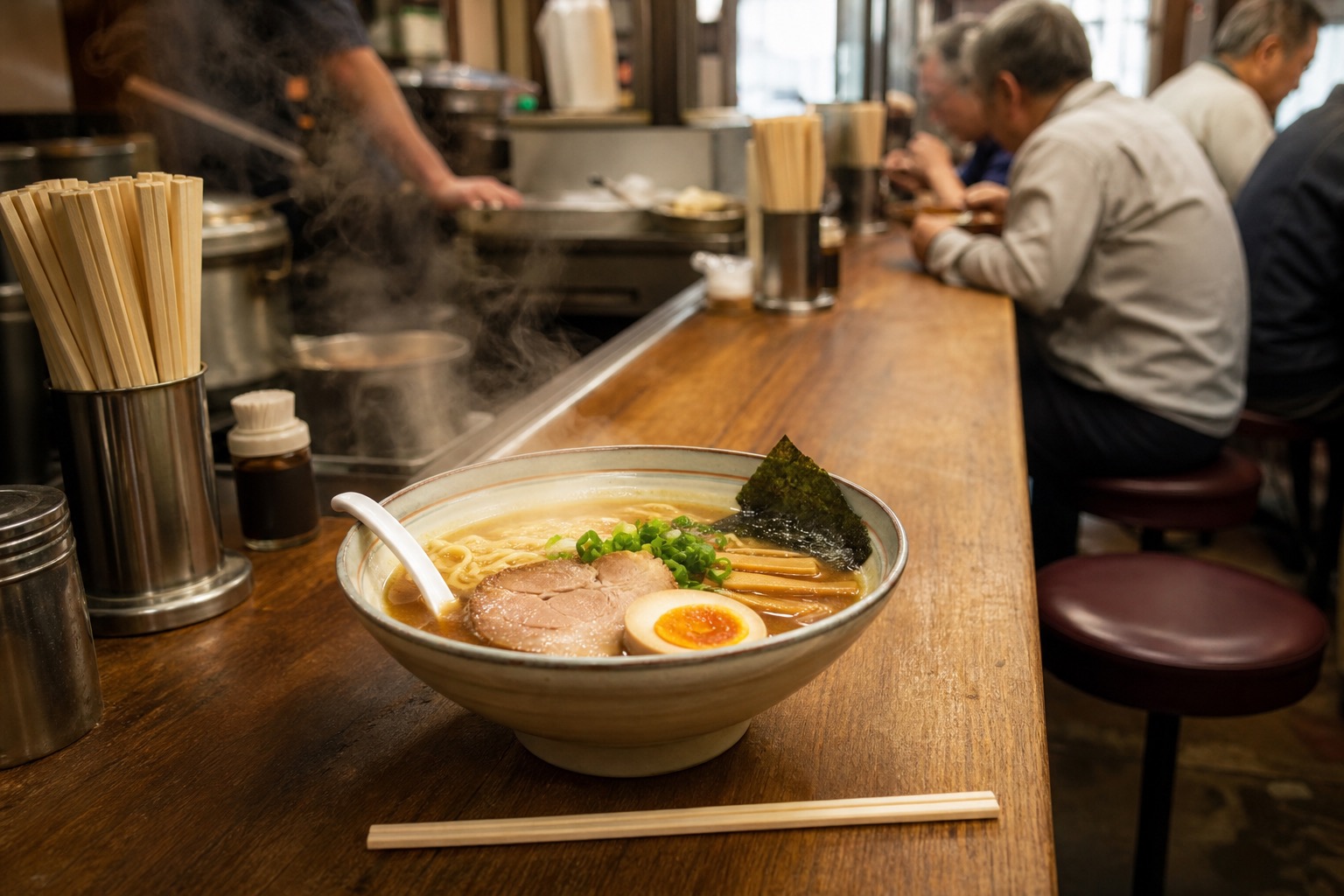
Asakusa’s food scene is a fascinating collision of Edo-period tradition and the 2025 inbound boom. The area has always been known for tempura and unagi, but today it’s also ground zero for a wave of restaurants specifically designed to welcome international visitors—halal ramen, ninja-themed yakiniku, and beef katsu shops that didn’t exist five years ago. At the same time, century-old establishments still serve the same recipes they perfected decades ago, completely unbothered by trends. This contrast is what makes eating in Asakusa so rewarding.
Best Restaurants in Asakusa for Tourists
The 2025 inbound restaurant ranking for Asakusa tells a striking story: halal and beef-focused restaurants dominate the top 5. This reflects a massive shift—Muslim-friendly dining has gone from niche to mainstream in this area.
Gyumon Halal Ramen Asakusa — Ranked #1 in Asakusa on the 2025 inbound chart. This is part of the Gyumon chain that has taken Tokyo by storm (they occupy 4 of the top 10 spots in Shibuya’s ranking too). The concept is simple but powerful: rich, beefy ramen that’s fully halal-certified. For Muslim travelers who’ve struggled to find ramen in Japan, this is a game-changer. For everyone else, it’s just really good ramen. Expect a queue of 15-30 minutes on weekends.
Asakusa Gyukatsu — Ranked #2 and #3 (the main shop and its branch). Beef katsu—a thick slab of wagyu, lightly breaded and deep-fried—is served with a hot stone for further cooking. Follow the restaurant’s instructions and cook the meat thoroughly, especially for children. This interactive element makes it wildly popular on social media. The original shop is on a side street south of Senso-ji; the branch is nearby. Both have long lines, but turnover is fast (about 20-30 minutes).
Ninja Yakiniku — Ranked #4. Yes, it’s exactly what it sounds like: a yakiniku restaurant with a ninja theme. Staff dressed as ninja, dim lighting, theatrical presentation. Sounds gimmicky, but the meat quality is surprisingly legit—they serve A4-A5 wagyu. International visitors love the spectacle, and it’s one of the few yakiniku places in Asakusa that feels welcoming to non-Japanese speakers with full English menus and multilingual staff.
Kobe Wagyu no Katana Asakusa 2nd — Ranked #5. Premium wagyu at prices that undercut Ginza equivalents by 30-40%. The lunch sets (¥3,000-5,000) are particularly good value for Kobe beef. The interior is modern and clean, a contrast to the traditional streetscape outside.
Traditional powerhouses that still deliver:
Sometaro
A monjayaki institution since 1937. You cook your own monja on the iron griddle at your table. The building itself is a registered cultural property. Chaotic, smoky, and utterly authentic.
Daikokuya
Operating since 1887, this is Asakusa’s most famous tempura restaurant. The signature tendon (tempura rice bowl) features massive shrimp hanging over the edge of the bowl, drenched in a dark, sweet sauce. The queue can hit 60-90 minutes on weekends, but it moves. The annex across the street has shorter waits.
Asakusa Mugitoro
Specializing in tororo (grated yam) cuisine since 1929. A refined, quiet alternative to the chaos outside. The multi-course lunch (¥3,000-4,500) is elegant and unique—you won’t find this style of cooking in most tourist areas.
Late-Night Food in Asakusa
Asakusa is not a late-night district. Most restaurants close by 9-10 PM, and Hoppy Street winds down by 11 PM. But if you’re staying in the area and get hungry late, a few reliable options exist—you just need to know where to look.
Saien Honten — Open until midnight on weekends. This tiny, no-frills Chinese restaurant near Iriya Station has been a local secret for decades. The star dish is jun-reba-don—a bowl of rice topped with stir-fried liver in a sweet-savory sauce. It sounds unusual, but it’s developed a cult following. The Asakusa late-night crowd—taxi drivers, bar staff, night owls—gathers here. Cash only, about 10 seats.
Isaan — Open until 6 AM. Authentic Thai restaurant tucked away near Asakusa Station. This is not tourist Thai food—it’s the real thing, spicy and uncompromising, run by Thai staff and popular with Thai expats. Tom yum kung, green curry, and som tam are all excellent. The fact that it’s open until dawn makes it invaluable for travelers arriving on red-eye flights or coming back from late nights elsewhere. Budget ¥1,500-2,500.
Toriyoshi Shoten — Open 24 hours. A chain izakaya, yes, but a lifeline when everything else is closed. Fried chicken (karaage), yakitori, beer, and rice—simple, reliable, and cheap. Located near Asakusa Station. When you stumble back from Shibuya at 2 AM and need food, this is your answer.
Hoppy Street tip: Most Hoppy Street izakayas close by 10-11 PM, but a few push to midnight on Fridays and Saturdays. The ones deepest into the alley tend to stay open latest. Don’t count on it, though—if you want guaranteed late-night drinking, the Ginza Line to Shibuya or Shinjuku is your best bet.
Family-Friendly Restaurants in Asakusa
Asakusa is one of the best areas in Tokyo for family meals. The overall atmosphere is relaxed and tolerant of children, and many restaurants are accustomed to strollers and high chairs.
Nakamise Street Food — The easiest family option. Kids can snack their way down the 250m street: freshly baked ningyo-yaki (¥300-500 for a bag), melon pan filled with ice cream (¥400-600), and matcha soft serve. No reservation needed, no sitting required, and children love choosing their own food from the stalls. This is lunch solved for families with picky eaters.
Asakusa Gyukatsu (family-friendly note) — Despite the queues, this works well for families. Adults should handle the hot stone and follow the restaurant’s instructions to cook the meat thoroughly, especially for children; portions are manageable, and the staff are patient. Go right at 11 AM opening to minimize wait time.
Sumida Aquarium Food Court (Tokyo Skytree Town) — A 20-minute walk or one train stop from Asakusa. The Solamachi complex at the base of Skytree has a massive food court with everything from ramen to pizza to bento boxes. It’s designed for families: spacious seating, high chairs available, and kid-friendly menus at most counters. After lunch, the aquarium upstairs is a natural next stop.
Tempura Lunch Sets — Several tempura restaurants near Senso-ji offer lunch sets in the ¥1,500-2,500 range that include smaller portions suitable for sharing with children. Tempura is one of the safest bets for kids unfamiliar with Japanese food—it’s essentially fried vegetables and shrimp. Aoi Marushin, a long-established tempura house on Nakamise-dori, has an English menu and is comfortable with families.
Kappabashi Coffee & Sweets — If you’re visiting Kappabashi Kitchen Town (10-minute walk), Kappabashi Coffee is a calm, family-friendly cafe with excellent drip coffee and homemade cakes. A good rest stop before or after browsing the kitchenware shops.
Price guide: Street food lunch for a family of four: ¥2,000-3,000. Sit-down tempura lunch: ¥6,000-10,000. Gyukatsu lunch: ¥5,000-8,000. Skytree food court: ¥3,000-5,000.
Day vs. Night
Morning
Quiet temple grounds, empty-ish Nakamise, local prayers, and the best photo window before tour groups arrive.
Midday
Classic energy, street food, souvenir shopping, and the heaviest crowding around Kaminarimon and Nakamise.
Night
Lit-up Senso-ji, Skytree views from the river, casual izakaya streets, but limited late-night options after midnight.
Early morning (before 9 AM)
This is Asakusa’s secret best hour. Senso-ji opens at 6 AM, and before 8 AM you can walk through Nakamise with almost no one around. The lanterns glow softly, the incense smoke drifts in silence, and you’ll get photos that look nothing like the daytime chaos. Locals come for morning prayers. A few old-school kissaten (coffee shops) open early if you need caffeine first.
Daytime
By 10 AM, Nakamise is packed. Tour buses arrive, and the area between Kaminarimon and Senso-ji becomes shoulder-to-shoulder on weekends. This is the classic Asakusa experience—vibrant, loud, and full of energy—but if crowds stress you out, stick to the side streets. The back streets west of Senso-ji have excellent small restaurants and almost no tourists.
Evening and night
After 5 PM, most shops on Nakamise close. The temple grounds stay open and are beautifully lit—the atmosphere shifts completely. It feels sacred and quiet. This is the best time to appreciate the architecture without fighting for space.
Hoppy Street (Hoppy-dori) comes alive after dark. It’s a narrow alley packed with outdoor izakaya tables, beer, and stewed beef (nikomi). The vibe is cheerful and rowdy—think Oktoberfest in a Tokyo alley. Locals and tourists mix freely. Most places close by 10-11 PM, so Asakusa is not a late-night district. If you want drinks past midnight, take the Ginza Line to Shibuya or Shinjuku.
Recommended Itinerary
3-4 Hour Short Trip
Start at Kaminarimon, browse Nakamise, visit Senso-ji. Then walk to Sumida Park for Skytree photos.
Culture Day
Rent a Kimono and stroll the streets. Take a rickshaw tour. Try traditional crafts like glass cutting or writing.
Night in Asakusa
The temple closes, but the grounds remain open and lit up—much quieter and mystical. Hoppy Street offers lively izakaya dining.
Practical tips for staying in Asakusa
Area Tips
Crowds
Asakusa is always crowded, but the intensity varies. Weekday mornings before 10 AM are your best window. Saturday afternoons are the worst—Nakamise becomes nearly impossible to walk through. If you visit on a weekend, go before 9 AM or after 5 PM.
Toilets
Public toilets are available in the temple grounds and Sumida Park, but can be crowded. The Asakusa Culture Tourist Information Center (the tall building opposite Kaminarimon) has clean, modern restrooms and a free observation deck on the 8th floor with excellent Skytree views.
Kimono rental
Many kimono rental shops cluster near the station. Prices start around ¥3,000-5,000 for a full-day rental including dressing. Walking Asakusa in a kimono is popular with both Japanese and international visitors—the temple backdrop makes for great photos. Book ahead on weekends.
Coin lockers
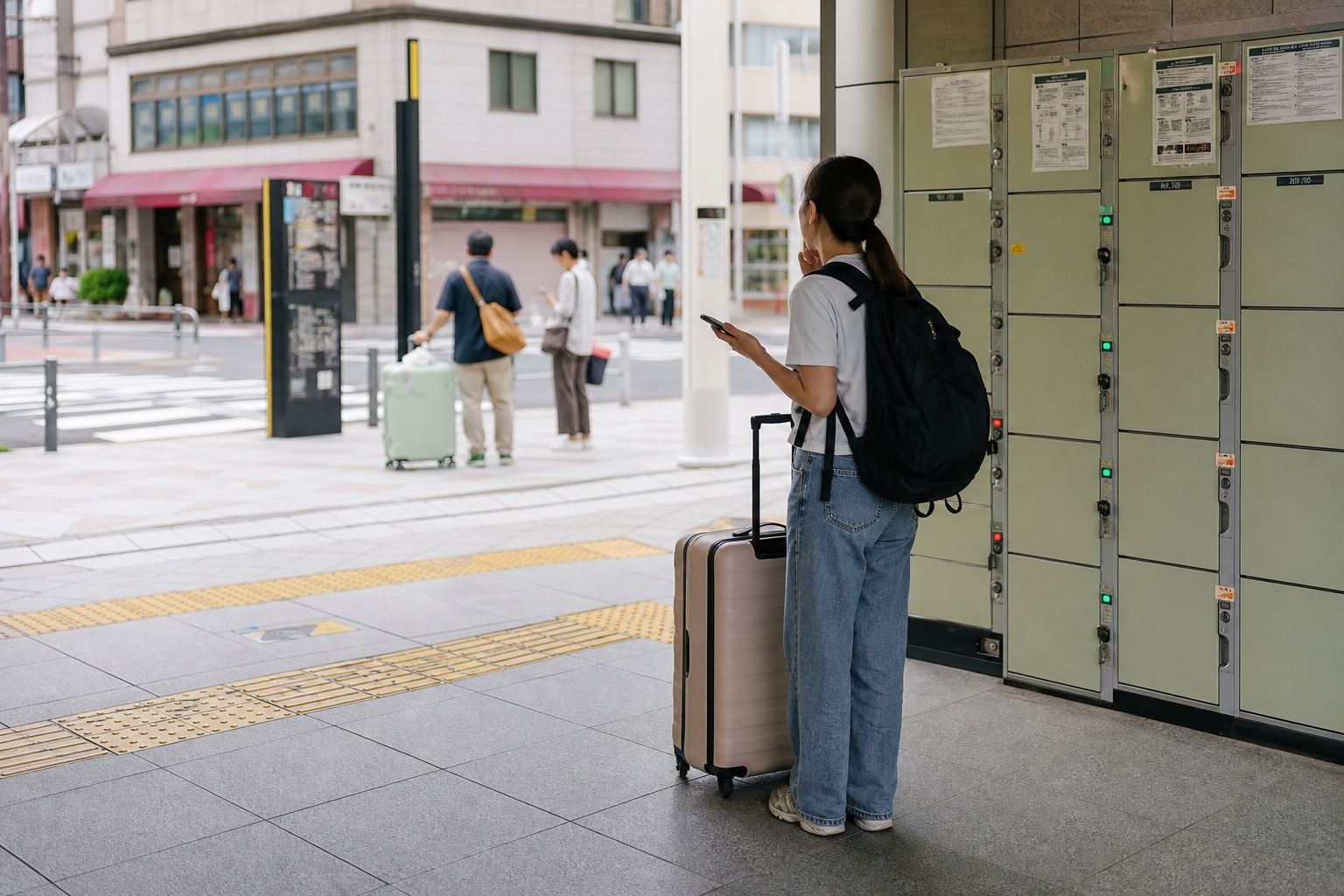
Available at Asakusa Station (Ginza Line and Tobu) but fill up fast on weekends. The Asakusa Culture Tourist Information Center ended its luggage-storage service on March 31, 2026. Check an operating storage option before arrival.
Nearby Attractions
Ueno: 5 mins by train. Museums, Zoo, and Ameyoko market. An easy half-day pairing with Asakusa.
Ryogoku: The center of Sumo wrestling. Sumo museum and stadium. If a tournament is happening (January, May, September), getting tickets is worth the effort.
Kappabashi Kitchen Town: Walking distance. Famous for plastic food samples and kitchenware—one of Tokyo’s most unique shopping streets.
Sumida Aquarium (Tokyo Skytree): 20-minute walk or 1 train stop. A compact, beautifully designed aquarium perfect for families.
Station and timing tips
Be aware that there are two Asakusa Stations — “Asakusa Station” (Ginza/Tobu/Asakusa Lines) and “TX Asakusa Station” (Tsukuba Express) are 10–15 minutes apart on foot, so always check which one your hotel is near. The Toei Asakusa Line connects to Keikyu (Haneda) and Keisei (Narita) with direct trains, but not every departure goes to the airport — always check the destination sign before boarding.
Senso-ji opens at 6 AM and the crowds don’t arrive until 10 AM, making early morning the best time for photos and a peaceful experience. Most train lines stop around midnight, and Hoppy Street winds down by then too, so the GO taxi app is worth downloading before you arrive. For a different perspective on the city, try the water bus from Asakusa to Odaiba — a 50-minute cruise along Tokyo Bay that’s one of the best ways to see Tokyo from the water.
Quick directions
Use the Google Maps links below to set each spot as your destination instantly. “To ___” links open ready-made route directions from the base station.
Local Landmarks
Quick Routes
FAQ
Is Asakusa safe?
Very safe, even at night. The area around Senso-ji is well-lit and quiet after dark. Hoppy Street gets rowdy but in a fun way—drunk salarymen, not danger. The only thing to watch for is the occasional pickpocket in very crowded areas around Nakamise.
How much time should I spend in Asakusa?
A minimum of 3-4 hours for the temple, Nakamise, and a meal. A full day works if you add Kappabashi, a river walk, Skytree, and evening drinks on Hoppy Street.
Is Asakusa good for families?
Excellent. Senso-ji is free, street food keeps kids happy, Hanayashiki amusement park is small but fun for younger children, and Skytree is nearby. The flat streets are stroller-friendly.
What’s the best time to visit Senso-ji?
Before 8 AM for quiet, atmospheric photos. Or after sunset for the beautiful lit-up temple without crowds. Midday on weekends is the most crowded.
Can I walk to Skytree from Asakusa?
Yes, about 20 minutes along the Sumida River. The walk itself is pleasant with good views. Or take the Tobu Skytree Line one stop from Asakusa Station.
Compare nearby Tokyo hotel bases
If Asakusa feels close but not quite right, compare these three bases before booking.

Ginza
Choose Ginza for polished hotels, shopping, restaurants, and easier central Tokyo access.
Compare Ginza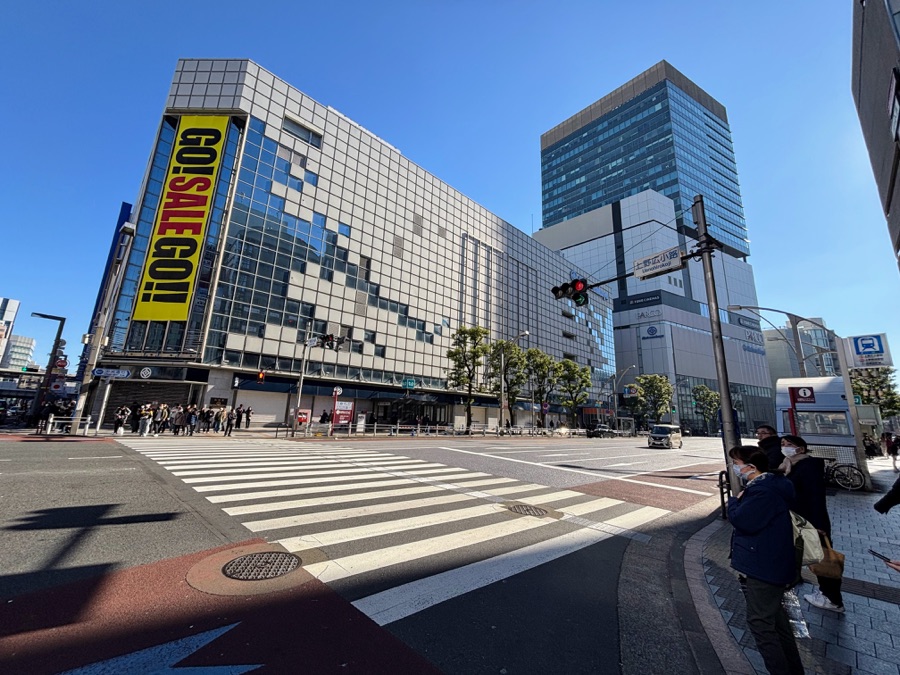
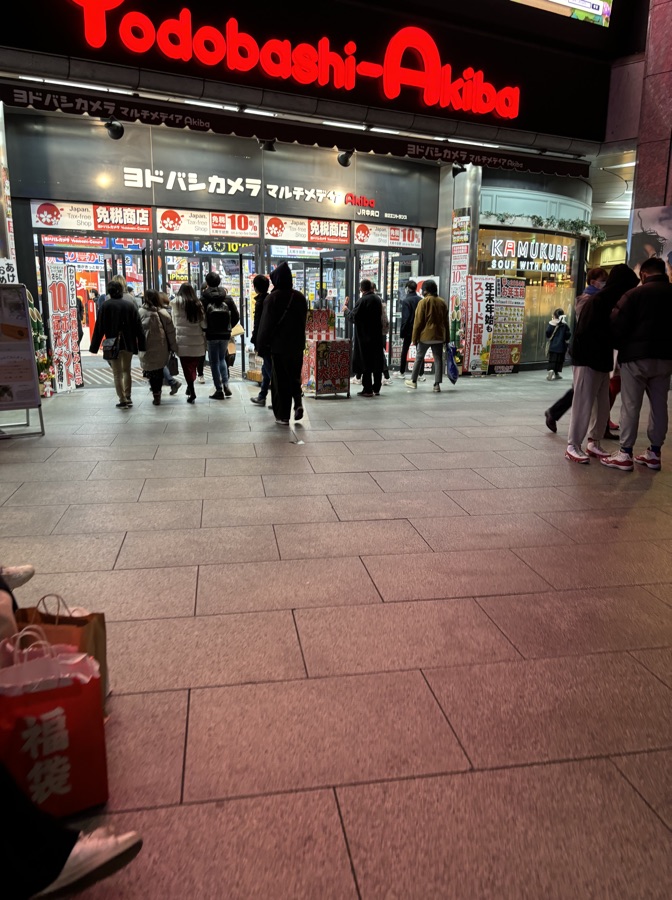
Akihabara
Choose Akihabara for anime, electronics, and a more central east-side rail base.
Compare AkihabaraSome links below are affiliate links. If you book through them we may earn a small commission at no extra cost to you.