Don Quijote (Donki)
Don Quijote (Donki) stores in Tokyo — what to buy, where to go, and how to survive the maze.
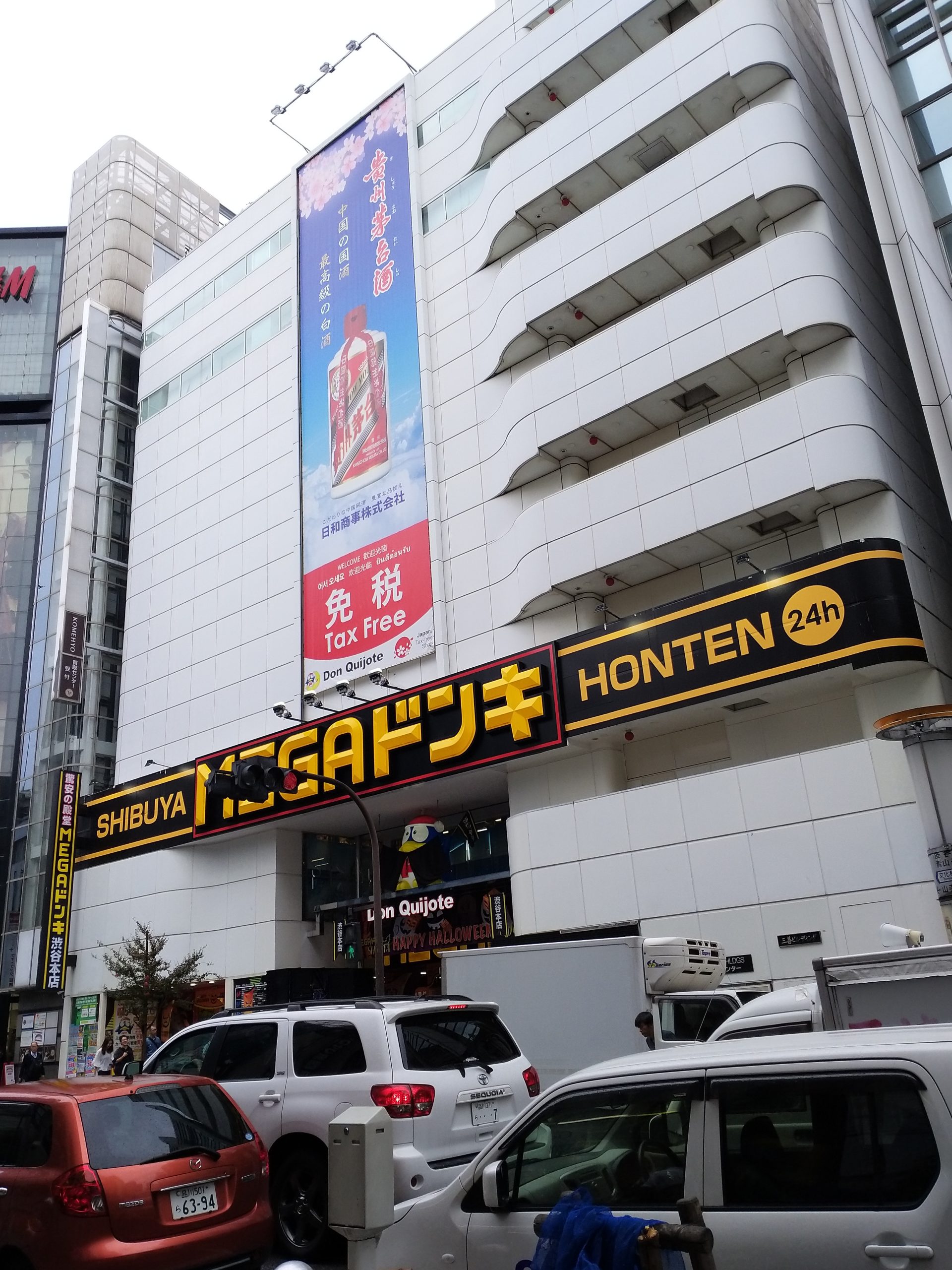
If you’ve spent any time researching a Japan trip, you’ve already seen the name Don Quijote — or “Donki,” as everyone actually calls it. It’s a discount chain with over 160 locations across the country, and most of them stay open until midnight or later. Plenty run 24 hours.
Donki isn’t a place you go for one thing. It’s where you go when you need snacks, sunscreen, a phone cable, a suitcase, fake eyelashes, and a Pikachu keychain — all at 11 PM on a Tuesday. The stores are loud, the aisles are narrow, products are stacked floor-to-ceiling, and the layout makes zero logical sense. That’s the whole point. You walk in for KitKats and walk out 90 minutes later with a bag full of stuff you didn’t know you needed.
Late-night souvenir runs, bulk snack and cosmetics shopping, and those “I need everything in one place” moments.
Open when nothing else is
Why Donki Works for Travelers
Most tourist-friendly shops in Tokyo close by 8 or 9 PM. Donki doesn’t. If your sightseeing day ran long and you still haven’t bought a single souvenir, Donki is the fallback that never fails.
The prices are genuinely competitive on snacks and cosmetics — roughly 10–30% cheaper than convenience stores or airport shops for the same items. Electronics and brand goods are a different story, though. For cameras or headphones, check Yodobashi or BicCamera first. Donki’s electronics section exists, but it’s not where the deals are.
Tax-free shopping is available at most locations if you spend ¥5,000 or more (excluding tax). Bring your passport. The tax-free counter is almost always separate from the regular registers, so don’t wait in the normal checkout line wondering why nobody’s processing your exemption.
One honest warning: the stores are physically exhausting. Tight aisles, thumping music, neon everywhere. If you’re traveling with a stroller or dragging a suitcase, you’re going to have a bad time. Come light.
For trips on or after November 1, 2026: Japan is scheduled to move to a refund-based tax-free system. Eligible visitors will generally pay tax at purchase and complete the refund procedure before departure. Until then, current in-store tax-free procedures apply. Confirm the process with the store and the National Tax Agency for your travel date.
Start with a MEGA store
Which Store to Go To in Tokyo
Not all Donki locations are the same. The MEGA stores are multi-floor and carry everything including groceries and fresh food. Regular stores are smaller and focus on the core lineup — snacks, cosmetics, souvenirs, household goods.
If this is your first time, go to a MEGA store. You get the full selection and the full sensory overload. Save the smaller Donki for quick targeted runs later in your trip.
MEGA Don Quijote Shibuya
This is the one most foreign travelers end up at. It sits on the backstreet side of Shibuya, a few blocks off Center-gai — close enough that you’ll pass it on almost any evening walk through the area. The entrance is hard to miss: a giant blue penguin mascot and a wall of neon you can spot from a block away. Inside, five floors of organized chaos. The store’s bass-heavy jingle loops endlessly overhead, fluorescent lighting bounces off every surface, and the shelves are packed so tightly you’re constantly turning sideways to let other shoppers squeeze past. Late at night the vibe shifts — fewer tourists, more locals grabbing groceries on the basement floor, and you can actually browse without being shoulder-to-shoulder with strangers.
24 hours, tax-free, five minutes on foot from Shibuya Station’s Hachiko Exit.
- Address: 28-6 Udagawacho, Shibuya-ku, Tokyo
- Hours: 24 hours
- Google Maps · Official site
Other Stores Worth Knowing About
| Store | Area | Why this one | Hours |
|---|---|---|---|
| MEGA Don Quijote Ikebukuro East Exit | Ikebukuro | Huge floor space. Strongest cosmetics selection in the chain. | 24h |
| Don Quijote Kabukicho | Shinjuku | Right next to Golden Gai and Omoide Yokocho. Perfect post-drinks stop. | 24h |
| Don Quijote Akihabara | Akihabara | Anime goods mixed in with the usual lineup. A different vibe. | Until midnight |
| Don Quijote Asakusa | Asakusa | Close to Senso-ji. Solid souvenir selection for the temple crowd. | Until midnight |
| Soladonki (Haneda Airport T3) | Haneda Airport | Last-chance shopping before your flight. Small but covers the essentials. | Check terminal hours |
If your hotel happens to be near a MEGA Donki, save your souvenir shopping for the last night. By then you’ll know exactly what you still need, and the late hours mean there’s no rush.
KitKats by the armful
Snacks: The Real Reason People Go to Donki
Let’s be honest — most travelers walk into Donki specifically for the snack aisle. The selection is enormous and the prices beat convenience stores and airport shops on almost everything. A box of Matcha KitKats that costs ¥1,200 at Narita will run you ¥600–800 here — and that gap adds up fast when you’re buying for a dozen coworkers back home.
The snack floor at a MEGA store is an experience in itself. Entire walls of regional KitKat flavors, waist-high bins of individually wrapped candy, and a dedicated section for omiyage gift boxes that look impressive when you hand them out. During peak tourist seasons — cherry blossom, Golden Week, autumn leaves — the popular items sell out fast. If you spot the flavor you want, grab it. It might not be there tomorrow.
Here’s what actually sells well and why.
| Item | What you need to know | Price |
|---|---|---|
| Matcha KitKat | The single most-bought Japan souvenir worldwide. Multiple matcha intensities — the dark matcha version is worth seeking out. | ¥300–800 |
| KitKat seasonal/regional flavors | Strawberry cheesecake, sake, melon, and whatever the current limited edition is. These rotate constantly. | ¥300–900 |
| Black Thunder | Crunchy chocolate bars at ¥30–50 each. Buy 20 of them for office gifts and you’re done. | ¥30–50 each |
| JagaRico (salad flavor) | Crunchy potato sticks that are genuinely addictive. The salad flavor is the classic, but cheese is good too. | ¥150–200 |
| Hi-Chew | Japan has flavors that don’t exist overseas. Grape and muscat are the ones to grab. | ¥100–250 |
| Pocky (premium versions) | Skip the regular chocolate — look for the limited-edition and “adult” versions with richer coating. | ¥150–400 |
| Senbei (rice crackers) | Light, savory, easy to pack flat. The best non-sweet option for gift-giving. | ¥200–500 |
| Cup noodles (Japan-exclusive) | Surprisingly fun souvenirs. The limited flavors you can’t find anywhere else make people weirdly happy. | ¥200–400 |
| Retort curry packs | Heat-and-eat Japanese curry. Lightweight, long shelf life, and genuinely delicious for what they are. | ¥200–500 |
| Individually wrapped omiyage packs | Pre-packaged assortments designed for gifting. Look for 個包装 (kohōsō) on the label — these won’t crumble in your suitcase. | ¥500–1,500 |
Packing tip: individually wrapped items survive checked luggage much better than loose bags. If you’re buying fragile stuff like senbei, carry it on.
Cult J-beauty, cheaper
Beauty and Skincare: Donki as a Drugstore
Japanese drugstore beauty has a massive following internationally, and Donki carries all the cult favorites at prices that undercut what you’d pay on Amazon or at home. If you’ve seen it recommended in J-beauty communities or on TikTok, there’s a good chance it’s on the shelf here.
That said, Donki’s beauty section can be chaotic to navigate. If you want a calmer, more curated shopping experience for cosmetics specifically, Matsumoto Kiyoshi is a better bet. Donki wins on price and late-night access; MatsuKiyo wins on organization and staff who can actually help you find things.
| Item | What it is | Why it’s popular |
|---|---|---|
| Biore UV Aqua Rich Watery Essence | Sunscreen (SPF 50+) | Lightweight, no white cast. The global cult favorite for a reason. |
| Anessa Perfect UV | Sunscreen (SPF 50+) | Sweat-proof and water-resistant. Better for beach days and outdoor sightseeing. |
| Hada Labo Gokujyun Lotion | Hyaluronic acid toner | Hydration at a fraction of Western prices. The refill pouches are even cheaper. |
| Melano CC Serum | Vitamin C serum | Went viral on TikTok. Affordable and effective for brightening. |
| Heroine Make Long & Curl Mascara | Waterproof mascara | Legendary hold. People describe it as “impossible to smudge” — and they’re not exaggerating. |
| Senka Perfect Whip | Foaming cleanser | Dense, creamy foam. A staple that’s hard to dislike. |
| LuLuLun sheet masks (multi-packs) | Face masks | Bulk packs of 30+ masks for the price of 3 masks back home. |
| MegRhythm heated eye masks | Disposable warming eye mask | Self-heating, lavender-scented. Perfect for the flight home. |
| Sante FX Neo eye drops | Cooling eye drops | Intensely refreshing. A shock the first time, but people get hooked. |
| Canmake cosmetics | Budget makeup brand | Cute packaging, surprisingly good quality. Most items are ¥600–800. |
Compression bags and chaos
Beyond Snacks and Beauty
Donki is more practical than it looks. Buried between the character goods and the party supplies, you’ll find things that actually save your trip:
Compression bags are the real MVP. Stuff your souvenirs in, squeeze the air out, reclaim suitcase space. Foldable shopping bags with Japanese designs make decent last-minute gifts. Phone cables and portable batteries are priced fairly — not the cheapest, but available at midnight when nothing else is. And if you forgot to pack rain gear, Donki sells compact ponchos for a few hundred yen. You will need one at some point in Japan.
The character goods section (Sanrio, Pokémon, Studio Ghibli) is dangerous for impulse buyers. Everything is priced just low enough that you keep adding things to the basket.
Set a timer, seriously
How to Not Lose Your Mind in Donki
The stores are designed to make you wander. The layout is intentionally disorienting — it’s a retail strategy borrowed from MEGA Don Quijote’s parent philosophy of “discovery shopping.” That’s great for entertainment, terrible for efficiency.
If you actually want to get in and out: decide what you’re buying before you walk through the door. MEGA stores have floor guides near the entrance. Snacks are usually on the ground floor or basement. Cosmetics tend to be one floor up. Head straight there, grab what you need, and resist the urge to explore “just one more floor.”
Set a timer on your phone. 30 minutes is enough for a focused run. Without one, you will lose over an hour. This isn’t a joke — it happens to everyone.
MEGA vs. Regular Donki: What’s the Difference?
| MEGA Don Quijote | Regular Don Quijote | |
|---|---|---|
| Size | Multi-floor, warehouse-scale | Compact, 1–2 floors |
| Selection | Everything plus groceries and fresh food | Core categories only |
| Vibe | Full sensory overload. The “treasure hunt.” | Faster, less overwhelming |
| Best for | First visit, big hauls | Quick targeted re-stocks |
Passport for tax-free
Payment and Tax-Free Shopping
| Topic | Details |
|---|---|
| Credit cards | Visa, Mastercard, Amex, JCB all accepted |
| IC cards | Suica, Pasmo, ICOCA work at most locations |
| Cash | Always accepted. Occasional cash-only deals on certain items |
| Tax-free | Available at most stores. ¥5,000+ (excl. tax) and passport required. The tax-free counter is separate from regular checkout — ask staff if you can’t find it |
| Majica app | Donki’s own app with occasional discount coupons. Not essential, but can save a few hundred yen if you bother to download it |
For tax-free on food and cosmetics (“consumable goods”), you need to hit ¥5,000 in that category in a single visit. The items get sealed in a bag that you’re technically not supposed to open until you leave Japan.
After 10 PM is the sweet spot
When to Go (and When to Avoid)
Peak hours at the popular locations — Shibuya, Shinjuku Kabukicho, Ikebukuro — run from about 6 to 9 PM on weekends. The aisles are already tight under normal conditions; add weekend tourist crowds and it becomes genuinely stressful.
The sweet spot is late at night, after 10 PM. The stores are still open, the crowds thin out, and you can actually browse without bumping into people every three seconds. Weekdays are noticeably calmer at any hour.
Before noon works too, but you lose the “Donki experience” a bit — part of the appeal is the buzzy, chaotic energy, and mornings feel almost normal by comparison.
Where Donki wins (and loses)
Donki vs. Other Stores: Where to Go for What
Donki overlaps with a lot of other popular chains. Here’s where it actually wins and where you’re better off elsewhere:
| You need… | Donki? | Better alternative |
|---|---|---|
| Snacks and souvenirs in bulk | Yes — best combo of variety and hours | Supermarkets if price is the only priority |
| Japanese cosmetics | Yes — good selection, good prices | Matsumoto Kiyoshi for a calmer, more organized experience |
| Electronics | Not really — limited and not cheapest | Yodobashi Camera or BicCamera |
| 100-yen items | No — Donki isn’t a 100-yen shop | Daiso, Seria, or Can Do |
| High-end or luxury goods | No | Department stores (Isetan, Takashimaya, etc.) |
| Random, only-in-Japan weird finds | Absolutely yes | Nowhere else does this better |
Common questions
FAQ
Is Donki actually cheap?
For snacks and cosmetics, yes — consistently 10–30% below convenience stores and airport shops. For electronics, not necessarily. Donki’s real advantage isn’t rock-bottom pricing on everything; it’s the combination of decent prices, massive selection, and hours that no other store matches.
Do the staff speak English?
Barely, at most locations. The tax-free counter staff usually know enough to process your transaction. But honestly, you don’t need to talk to anyone — grab what you want, check the price on the tag, and head to the register.
Can food items be tax-free?
Yes. Food, drinks, and cosmetics count as “consumable goods” and qualify for tax-free if you spend ¥5,000 or more in a single visit. They’ll seal the items in a bag at the counter.
Is it going to be crowded?
At the popular locations (Shibuya, Shinjuku, Ikebukuro) during peak evening hours on weekends — yes, uncomfortably so. Go late at night (after 10 PM) or on a weekday and it’s a completely different experience.
Keep exploring
Explore More Tokyo Guides
These stores are found across Tokyo. For neighborhood-specific tips on where to stay and what else to explore nearby:


