
Taking a Taxi in Japan
Complete guide to taking taxis in Japan — fares, apps (GO and Uber), etiquette, and what NOT to do as a tourist.
Quick links
The door opens by itself. No, really — don’t touch it. Japan’s taxis are clean, safe, and run by drivers in white gloves. They’re also the most expensive way to get around. Here’s how to use them like a pro and avoid the classic tourist mistakes.
Best for: Late-night travel, groups of 3–4 (cost split!), rainy days, luggage-heavy airport transfers, or when you just can’t figure out the trains.
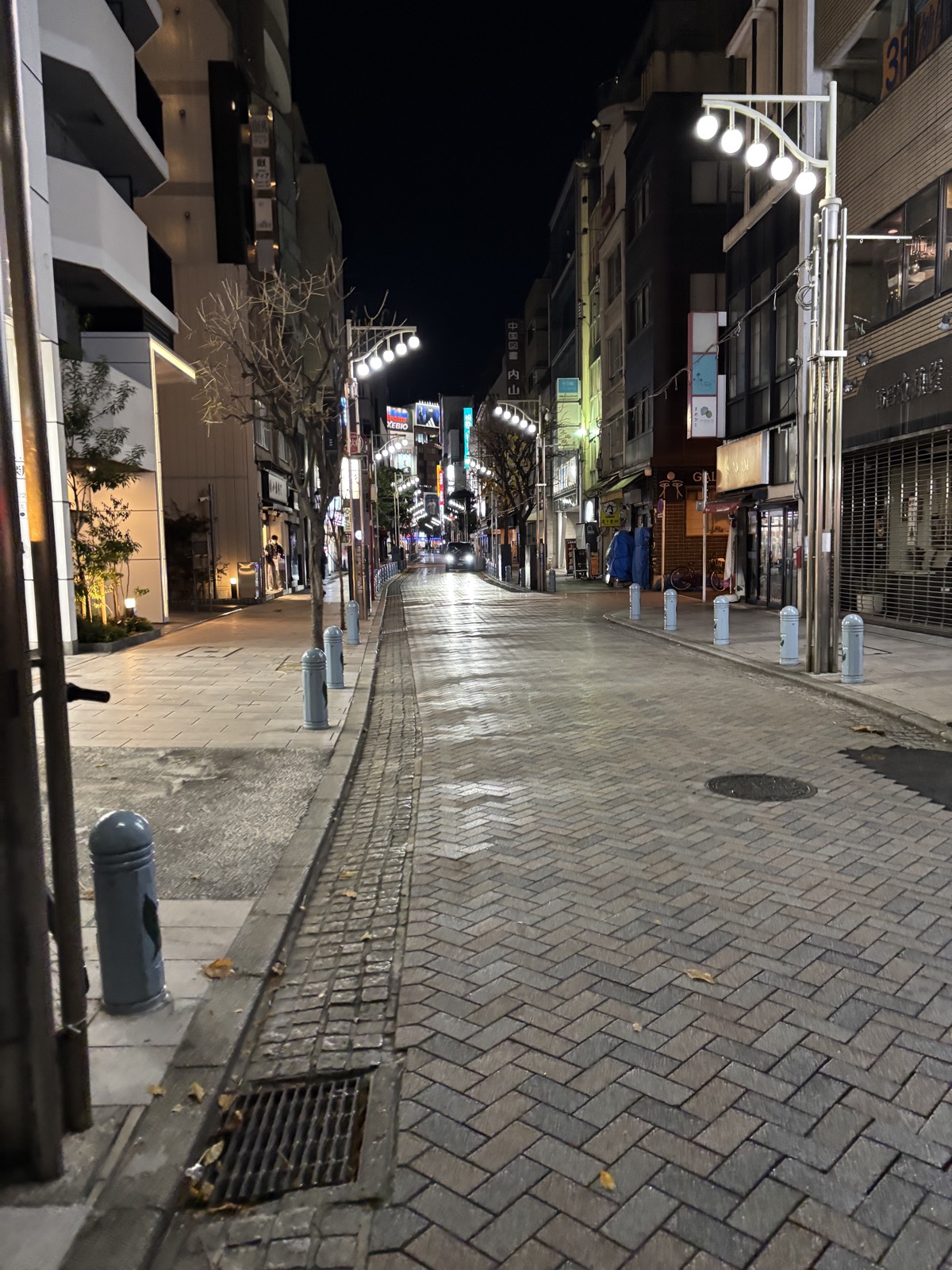
The Basics
| Tokyo | Osaka / Kyoto | |
|---|---|---|
| Base fare | ¥500 (first 1.096 km) | ¥680 (first 1.7 km) |
| Per meter | ¥100 / 255m | ¥80 / 241m |
| Late-night surcharge | +20% (10 PM–5 AM) | +20% (11 PM–5 AM) |
| Payment | Cash, IC card, credit card | Cash, IC card, credit card (varies) |
| Capacity | 4 passengers (standard) | 4 passengers (standard) |
How to Catch a Taxi
Method 1: Hail on the Street
- Look for taxis with a red light in the windshield — that means available (空車)
- Green light = occupied (賃走)
- Stand at the curb and raise your hand
- The left rear door opens automatically — DO NOT touch it
- Get in, tell the driver your destination, and the door closes automatically
Method 2: Taxi Stand
- Found at train stations, hotels, department stores, and airports
- Queue in line; taxis pull up in order
- Same auto-door system
Method 3: Apps (Recommended) 📱
| App | English? | Coverage | Payment | Best for |
|---|---|---|---|---|
| GO | ✅ | Nationwide (strongest in Tokyo) | In-app + cash | Most reliable, largest fleet |
| Uber | ✅ | Tokyo, Osaka (limited) | In-app only | Familiar interface for foreign users |
| DiDi | ✅ | Major cities | In-app + cash | Sometimes has coupons |
Recommendation: Download GO — it has the most taxis available and works well in English.
Telling the Driver Where to Go
Most taxi drivers speak very little English. Here’s how to handle it:
Best Methods (ranked)
- Show Google Maps with pin dropped on your destination — drivers understand the map
- Show the hotel/restaurant name in Japanese — screenshot or Google Translate
- Show the address — Japanese addresses are confusing, but drivers can enter them in their GPS
- Say the landmark — “Tokyo Eki” (Tokyo Station), “Shibuya Eki” (Shibuya Station)
Power move: Before your trip, save your hotel’s name and address in Japanese on your phone. Screenshot it. You’ll use it every time you take a taxi back to your hotel.
Useful Phrases
| English | Japanese | Pronunciation |
|---|---|---|
| Please go to ___ | ___までお願いします | ___ made onegai shimasu |
| Please stop here | ここで止めてください | Koko de tomete kudasai |
| How much? | いくらですか? | Ikura desu ka? |
| Receipt, please | 領収書をください | Ryōshūsho wo kudasai |
| Can I pay by card? | カードで払えますか? | Kādo de haraemasu ka? |
| The trunk, please | トランクをお願いします | Toranku wo onegai shimasu |
Fare Estimates
| Route | Daytime | Late Night (+20%) | Time |
|---|---|---|---|
| Shibuya → Shinjuku | ¥1,500–2,000 | ¥1,800–2,400 | 15 min |
| Tokyo Station → Ginza | ¥800–1,000 | ¥960–1,200 | 10 min |
| Shinjuku → Asakusa | ¥3,500–4,500 | ¥4,200–5,400 | 30 min |
| Narita Airport → Central Tokyo | ¥20,000–25,000 | ¥24,000–30,000 | 60–90 min |
| Haneda Airport → Central Tokyo | ¥5,000–8,000 | ¥6,000–9,600 | 30–40 min |
Cost-saving tip: For groups of 3–4, short taxi rides can actually be cheaper per person than individual train fares, especially late at night.
What NOT to Do
Common Tourist Mistakes
- DON’T touch the door — It opens and closes automatically. Trying to open/close it yourself can damage the mechanism.
- DON’T slam the door — If you forget and grab it, let go gently.
- DON’T sit in the front seat — Always sit in the back unless the taxi is full.
- DON’T eat or drink in the taxi
- DON’T tip — Tipping is not expected and can cause confusion
- DON’T expect English — Have your destination ready on your phone
- DON’T take a taxi from Narita Airport to central Tokyo unless money is no object (¥20,000+). Take the train.
Practical Tips
Pro Tips
- Fixed-fare airport taxis : Some companies offer fixed-rate airport transfers. Check with your hotel — they can often arrange one at a better rate.
- Get a receipt (領収書): If you forget something in the taxi, the receipt has the taxi company and car number so you can call and get it back.
- Taxi availability : Easy to find during the day, very hard after midnight on Friday/Saturday in entertainment areas. Use an app.
- Toll roads : If the driver takes a highway, YOU pay the tolls on top of the fare. The driver will ask first — you can decline.
- Luggage : Drivers will help with bags and use the trunk. No extra charge for luggage.
For a complete airport and city-transfer plan, compare taxi travel with our Haneda Airport access guide and Japan bus guide.
FAQ
Do taxis accept credit cards?
Most taxis in Tokyo accept credit cards and IC cards. In smaller cities, some are cash-only. Using an app guarantees card payment.
Is Uber available in Japan?
Uber operates in Tokyo and Osaka, but it works more like a taxi dispatch than ride-sharing. Prices are similar to regular taxis. Availability is inconsistent, especially late at night. GO and GO apps are more reliable.
Can I request a larger taxi?
Yes — jumbo taxis (ジャンボタクシー) seat 6–9 passengers. Book in advance through your hotel or a taxi company. Not available for street hailing.
What if the driver takes a longer route?
This is extremely rare in Japan. Taxi drivers are highly regulated and generally take the most efficient route. If you’re concerned, follow along on Google Maps.
Explore More Tokyo Guides
For neighborhood-specific tips on where to stay and what else to explore nearby:

