Day Trips from Tokyo
Choose between temples in Kamakura, shrines in Nikko, the Hakone loop, Mount Fuji views at Kawaguchiko and Yokohama’s waterfront. Compare departure stations, ticket coverage and time on the ground.
Quick links
Choose the day trip by the time you want to spend there, then compare tickets. Kamakura and Yokohama leave more of the day for sightseeing. Nikko, Hakone and Kawaguchiko need earlier starts and a planned return, especially when buses, boats or mountain weather shape the route.
Best for: Travelers with 5+ days in Tokyo who want a change of pace without switching hotels.
Day Trip Comparison
| Destination | From Tokyo | Cost (one-way) | JR Pass? | Best for |
|---|---|---|---|---|
| Kamakura | ~60 min (JR Yokosuka Line) | JR ordinary fare from your departure station | ✅ Yes | Great Buddha, temples, beach town |
| Nikko | Asakusa → Tobu-Nikko, ~1h 50m (direct Tobu limited express) | ¥3,050 example: ¥1,400 base + ¥1,650 reserved supplement (regular-season Kegon/Revaty) | Tobu route: no. All-JR via Utsunomiya: yes; buses extra | Toshogu Shrine, nature, waterfalls |
| Hakone | Odakyu Shinjuku → Hakone-Yumoto, ~80–85 min (Romancecar) | ¥2,470 with standard tickets: ¥1,270 base + ¥1,200 reserved supplement | Odakyu/Hakone transport: no. Eligible JR trains to Odawara: yes | Hot springs, Fuji views, lake cruise |
| Kawaguchiko | ~2h (direct Fuji Excursion from Shinjuku) | ¥4,200 direct Fuji Excursion example from Shinjuku; bus ticket separate | ⚠️ Partial | Mount Fuji up close, lakeside walks |
| Yokohama | ~30 min (JR Tokaido or Yokosuka) | JR ordinary fare from your departure station; Tokyu is separate | ✅ Yes | Chinatown, waterfront, Cup Noodles Museum |
Nikko and Hakone examples above are adult, one-way station-to-station fares checked in October 2026; add travel from your hotel, local transport and admission. A pass price is separate from a reserved-seat supplement. Tobu fare seasons · Odakyu fares and supplements. JR ordinary fares vary by departure station; use the current fare after the March 2026 revision.
1. Kamakura 🏯
Getting There
- JR Yokosuka Line: Tokyo → Kamakura in about one hour; Shinagawa is a different starting point with a different fare
- JR Shonan-Shinjuku Line: Shinjuku/Shibuya → Kamakura in about one hour; choose a through train serving the Yokosuka Line and check the fare from your station
- Enoden Line: Kamakura ↔ Enoshima along the coast; buy an Enoden ticket separately from your JR journey
Top Spots
- Kotoku-in (Great Buddha) — 13m bronze statue, iconic Japan photo
- Tsurugaoka Hachimangu — Grand shrine beyond Komachi-dori and Wakamiya Oji
- Hokokuji (Bamboo Temple) — Stunning bamboo grove, matcha tea
- Komachi-dori — Shopping street from station to shrine
- Enoshima Island — Sea caves, shrine, ocean views (add 30 min)
Recommended Pass
Pass names, coverage and prices change. Compare the operator’s current day-pass page with pay-as-you-go IC fares for your travel date.
2. Nikko ⛩️
Getting There
- Tobu Railway: Asakusa → Tobu-Nikko, about 1h 50m on a direct limited express. A regular-season Kegon/Revaty example without a pass is ¥3,050 one way: ¥1,400 base fare plus ¥1,650 reserved-seat supplement. SPACIA X, other seats and peak/low-season dates have different supplements; check the exact train before booking.
- All-JR route: Tokyo → Utsunomiya by Tohoku Shinkansen, then transfer to the JR Nikko Line for JR Nikko. Check the connection and current adult fare in the JR timetable; the transfer means the two train times alone are not the total journey time.
- National JR Pass tip: Eligible ordinary-class JR trains on the Utsunomiya route are covered by a valid JAPAN RAIL PASS; Tobu buses and shrine admission are extra. This differs from a JR–Tobu through train from Shinjuku, where the national pass requires a Tobu-section supplement. Check pass coverage.
Top Spots
- Toshogu Shrine — UNESCO World Heritage, incredibly ornate
- Shinkyo Bridge — Sacred vermilion bridge over the Daiya River
- Kegon Falls — 97m waterfall near Lake Chuzenji; take a bus toward Chuzenji-onsen. Allow time for traffic and the return bus, especially during autumn foliage season.
- Lake Chuzenji — Mountain lake with autumn foliage
- Rinnoji Temple — Large Buddhist temple complex
Recommended Pass
Choose the pass after choosing your day’s main area. For a shrine-focused day from Asakusa, compare the NIKKO PASS world heritage area (¥3,000 adult / 2 consecutive days) with individual rail tickets plus local bus fares. It includes one Asakusa–Shimo-Imaichi round trip, the stated Tobu local rail zone and World Heritage-area buses. It does not cover buses to Lake Chuzenji.
The NIKKO PASS all area is ¥8,000 adult / 4 consecutive days, with wider Tobu Bus coverage toward Lake Chuzenji and Okunikko. For a lake-focused day, also compare individual rail tickets plus the Chuzenji-onsen bus-only pass (¥2,300 adult / 2 days); that bus pass does not pay for the train from Tokyo. Neither multi-day validity nor a wider area automatically makes a pass cheaper for one day.
Important: Tobu’s NIKKO PASS is for foreign travelers; accompanying Japanese nationals may also buy it. Both versions require a separate limited-express reserved-seat ticket for a limited express, and shrine/temple admission is extra. Their Tokyo round-trip access starts at Asakusa, not Shinjuku. Check the pass conditions and seat-ticket instructions.
One-day planning: Choose either the main shrines or the Lake Chuzenji area as your priority. In October–November, Tobu warns that the lake bus can take over two hours longer than usual. Leave a generous return margin and check the current bus timetable; see the autumn warning.
3. Hakone ♨️
Getting There
- Odakyu Romancecar: Odakyu Shinjuku → Hakone-Yumoto, about 80–85 min; all seats are reserved. Without a pass, standard tickets total ¥2,470 one way (¥1,270 base fare + ¥1,200 limited-express supplement). The online supplement is ¥1,150; IC base fares differ. Check the fare table.
- Ordinary Odakyu trains: Shinjuku → Odawara, then change for Hakone-Yumoto. Standard adult tickets cost ¥910 to Odawara plus ¥360 onward, ¥1,270 total. No Romancecar supplement is needed on ordinary trains; check the timetable and allow extra travel and transfer time.
- JR via Odawara: From Tokyo Station, take a JR Tokaido Line train or a Tokaido Shinkansen service that stops at Odawara. Kodama takes about 35 min to Odawara, then the local train to Hakone-Yumoto takes about 15 min, plus transfer time. Buy the JR ticket separately and check the current fare for your departure station and seat. A national JR Pass can cover eligible JR services to Odawara; it does not cover the onward Hakone railway, buses, ropeway or cruise.
The Hakone Loop
The classic circuit can fill a full day. Its listed local legs are within the Hakone Freepass area when the services are operating; museum entry, hot springs and reserved-seat supplements are extra. Start early, check the last boat/bus and service information, and shorten the loop if weather or queues disrupt it.
Hakone-Yumoto → Tozan Railway → Gora → Cable Car → Sounzan → Ropeway → Owakudani → Ropeway → Togendai → Pirate Ship → Moto-Hakone → Bus → Hakone-Yumoto
Top Spots
- Owakudani — Volcanic valley, sulfur vents, black eggs
- Lake Ashi pirate ship — Mt. Fuji views on clear days
- Hakone Shrine — Red torii gate on the lake
- Open Air Museum — Sculptures + Picasso collection
- Onsen — Day-use hot springs throughout the area
Recommended Pass
The Hakone Freepass costs ¥7,100 adult from Shinjuku / 2 days, or ¥7,500 / 3 days. A day trip still uses the 2-day product. It includes one Odakyu round trip between Shinjuku and Odawara and unlimited rides on the eight specified Hakone transport services within their mapped areas. It does not cover every bus company or every sightseeing service; Izu-Hakone Bus is excluded.
Romancecar costs extra: Add a reserved-seat supplement for each direction, ¥1,200 at the station or ¥1,150 online for Shinjuku–Hakone-Yumoto. Thus the Shinjuku 2-day pass plus station-bought Romancecar supplements both ways totals ¥9,500 adult. Attraction and onsen admission are separate.
Already arriving at Odawara by JR? Compare the Hakone-area-only Freepass, ¥6,000 adult / 2 days (¥6,400 / 3 days). It includes no Tokyo–Odawara access. For just an onsen or museum stop, compare individual fares instead of assuming the full pass is best value. Check the mapped coverage and starting-station prices.
4. Kawaguchiko (Mount Fuji) 🗻
Getting There
- JR Chuo Line → Fuji Excursion: Shinjuku → Kawaguchiko (direct, about 2h). The operator lists ¥4,200 adult one way: ¥2,580 base fare + ¥1,620 limited-express ticket. Check the exact train and seat
- Highway bus: Shinjuku Expressway Bus Terminal → Kawaguchiko (~2h, ¥2,200)
- JR Pass tip: Fuji Excursion from Shinjuku is partially covered (JR portion). Pay both the uncovered Fujikyu base fare and its limited-express supplement; a JR reservation alone does not pay for that section.
Top Spots
- Chureito Pagoda — The iconic Fuji + pagoda photo (15 min by train from Kawaguchiko)
- Lake Kawaguchiko north shore — Best Fuji reflections in early morning
- Kachi Kachi Ropeway — Panoramic Fuji views from above
- Oshino Hakkai — Eight crystal-clear spring ponds
- Fuji-Q Highland — Extreme roller coasters with Fuji backdrop
Recommended Pass
Pass names, coverage and prices change. Compare the operator’s current day-pass page with pay-as-you-go IC fares for your travel date.
5. Yokohama 🎲
Getting There
- JR Tokaido Line: Tokyo → Yokohama in about 25–30 min; Shinagawa is closer. Check the current JR fare from your actual departure station
- JR Yokosuka Line: A second JR option to Yokohama; choose the departure station and train before comparing fares
- Tokyu Toyoko Line: Shibuya → Yokohama in about 25 min on a fast through service, ¥310 adult paper ticket / ¥309 IC. Tokyu fare table
- Minatomirai Line: Extends from Tokyu into the waterfront area
Top Spots
- Yokohama Chinatown — a Chinatown district with restaurants, food shops and other businesses; use its official directory to choose a place
- Minato Mirai waterfront — Landmark Tower, Cosmo World ferris wheel
- Cup Noodles Museum — Make your own instant ramen
- Yamashita Park — Seaside promenade, Hikawa Maru ship
- Ramen Museum — Retro-themed food hall with regional ramen shops
Recommended Pass
Pass names, coverage and prices change. Compare the operator’s current day-pass page with pay-as-you-go IC fares for your travel date.
Practical Tips
Pro Tips
- Start early : Match your outbound train with local bus or attraction opening times; an early arrival does not guarantee an open onward service
- Check weather : Fuji views (Hakone, Kawaguchiko) depend on clear skies — mornings are best
- Coin lockers : Leave big bags at your departure station; size, price and availability vary
- Combine : Kamakura + Yokohama in one day is doable (they’re on the same JR line)
- Off-season wins : Kamakura and Nikko are packed on weekends — go weekdays if possible
- Buy the correct starting-station pass : Check eligibility, coverage and purchase rules first. Reserve any separate limited-express seat before you travel; a pass alone does not secure a Romancecar or Tobu limited-express seat.
- Plan your route : Use Jorudan to check train times, transfers, and fares in English
Before choosing a day trip, compare long-distance fares in our JR Pass guide and Shinkansen guide.
FAQ
Which day trip is best for first-time visitors?
Kamakura is the easiest and most rewarding. It’s close (1 hour), covered by a national JR Pass for the JR journey, and packs temples, shopping, and beach into one day. Second choice: Yokohama for food lovers.
Can I see Mount Fuji and hot springs in one day?
For a manageable day, focus on Hakone: Fuji views may be possible from the ropeway or Lake Ashi on a clear day, with a day-use onsen fitted around transport and opening times. Do not treat Kawaguchiko plus Hakone as a simple morning/afternoon combination. The full Hakone loop is already a busy day; choose fewer stops if relaxation is your priority. See the operator’s Hakone day-trip route.
Are JR Pass regional passes worth it for day trips?
Compare the exact trips before buying. The current JR EAST PASS costs ¥35,000 adult / 5 consecutive days or ¥50,000 / 10 consecutive days; the old Tohoku-area product ended sales in March 2026. A few short Tokyo day trips do not automatically repay that price. Check each route’s coverage and add uncovered buses or seat fees before comparing with individual tickets.
How do I handle luggage on day trips?
Use coin lockers at your departure station. Tokyo, Shinjuku, and Ueno have large-size lockers, but availability, price and storage limits vary; check that your bag fits before planning around one. Alternatively, luggage forwarding services (Takkyubin) can send bags to your next hotel.
Explore More Tokyo Guides
For neighborhood-specific tips on where to stay and what else to explore nearby:
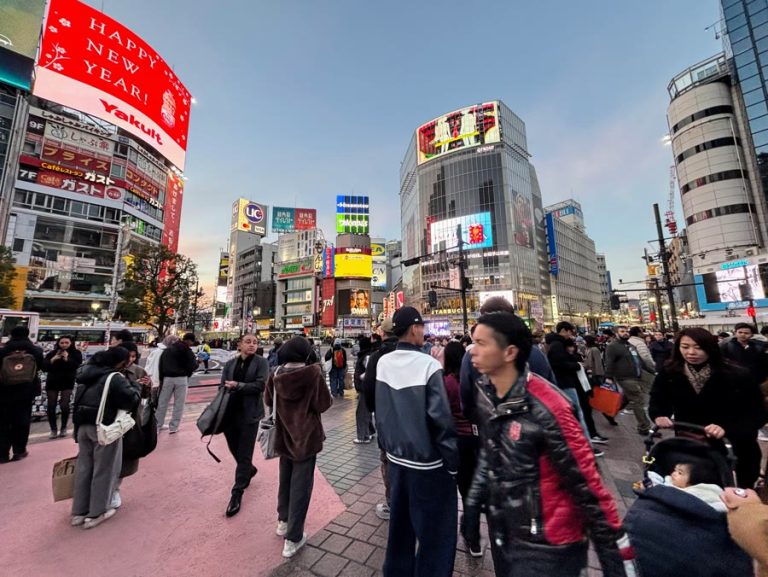
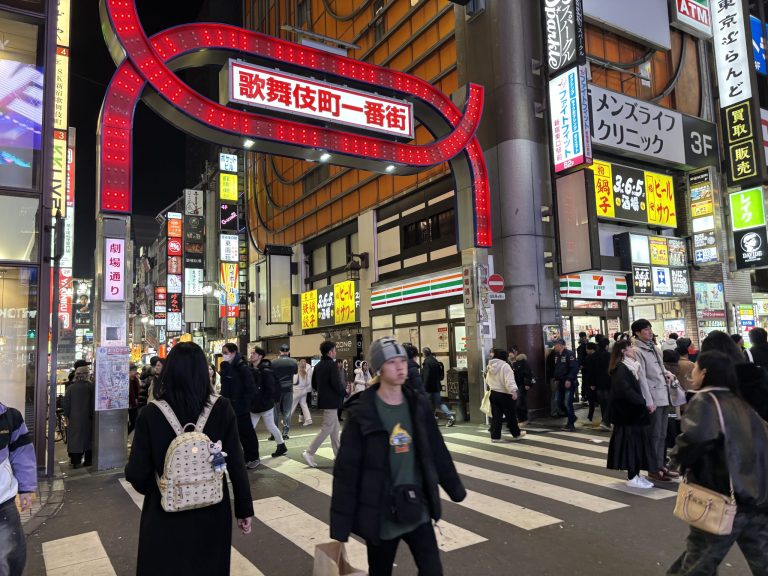
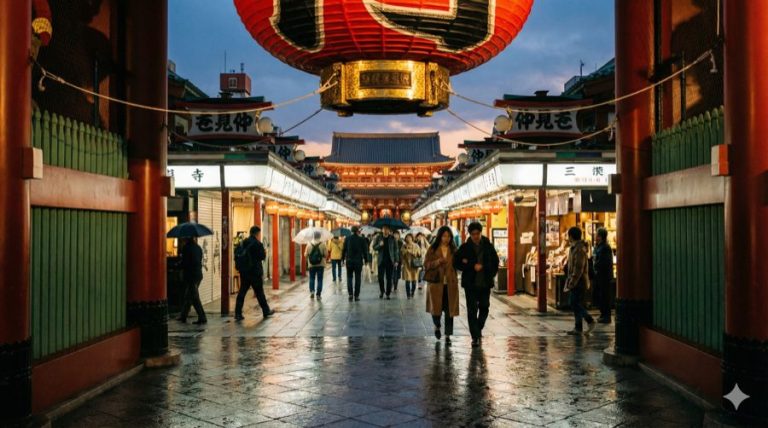
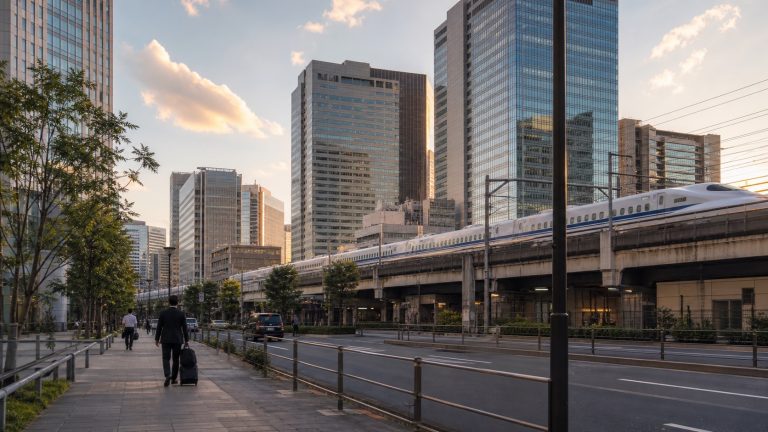
Editorial images illustrate Tokyo departure districts and rail travel, rather than the five destinations. The rail scene is illustrative; its location and image provenance are unverified.