Nakano to Koenji, Tokyo: Train Access, Hotels & Things to Do
Nakano is the efficient shopping and rail base; Koenji is the neighborhood worth returning to after dark. The hard part is finding a room that fits.
Quick links
Are Nakano and Koenji good Tokyo bases?
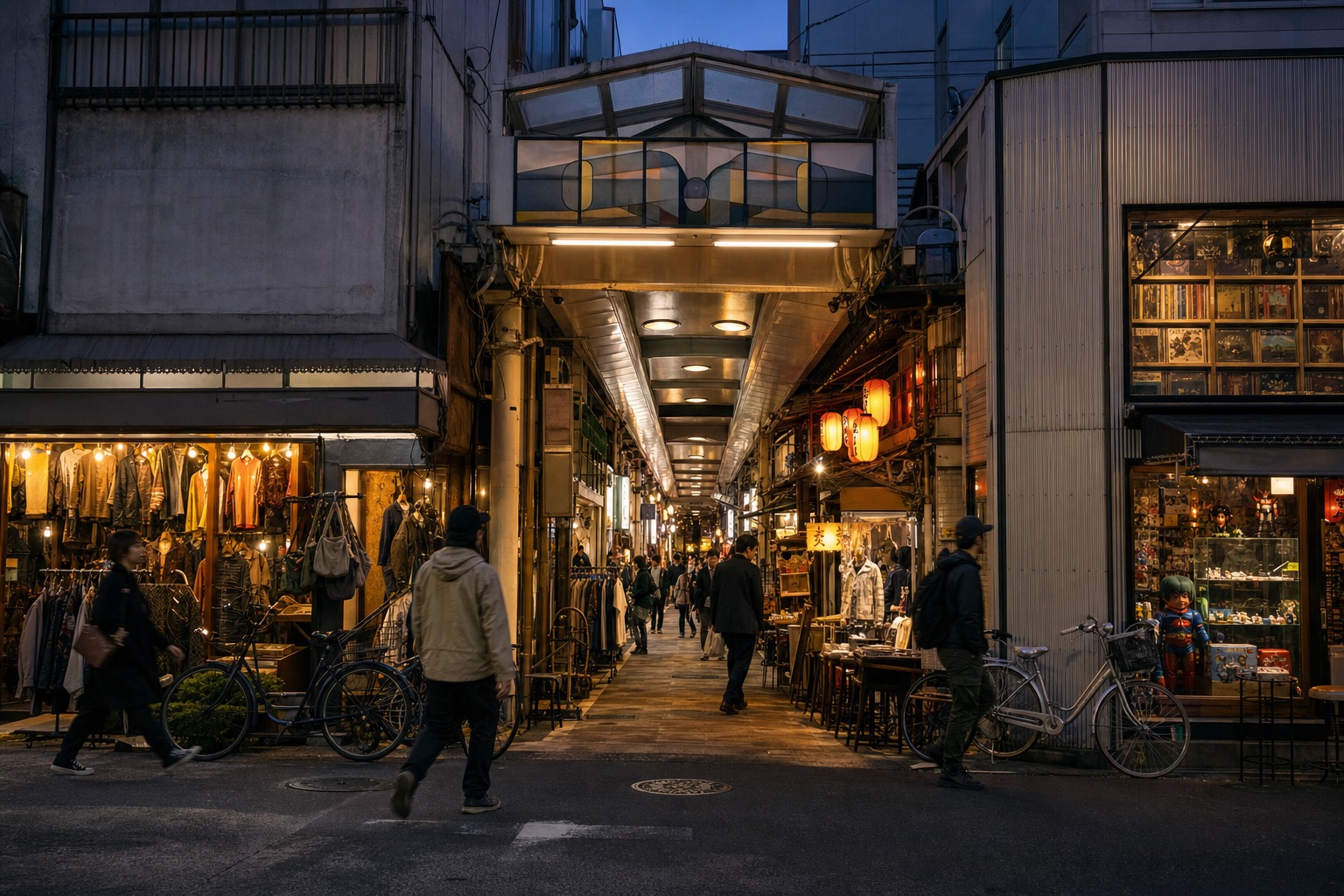
Yes, for travelers who want western Tokyo to feel like a neighborhood rather than a sightseeing stage. Nakano brings fast rail access, a covered shopping arcade, collectables, cameras, watches, ramen, and practical everyday stores. Koenji brings vintage clothing, records, live houses, small bars, temples, and four distinct shopping streets. Both are close to Shinjuku without reproducing Shinjuku’s scale.
The bargain has a catch: hotel supply is thin. Nakano Station no longer has the former Nakano Sunplaza hotel, and it has not become a replacement hotel district. Koenji has one strong conventional station hotel and several tiny guesthouses. A traveler who needs three twin rooms, a large breakfast operation, or a staffed full-service property may find a better fit in Asagaya or Shinjuku.
Best for:
- Repeat visitors who already understand Tokyo trains.
- Anime, manga, watch, camera, record, and vintage-clothing shoppers.
- Travelers whose nights revolve around live music or small bars.
- Couples and solo travelers comfortable with compact rooms.
- Visitors spending time in Shinjuku, Kichijoji, or west Tokyo.
Choose elsewhere if:
- A direct airport train is essential.
- The itinerary starts before dawn on the east side every day.
- The group needs abundant connecting rooms or large family suites.
- Quiet after 21:00 matters more than neighborhood nightlife.
- A luxury lobby, concierge, or destination breakfast is part of the trip.
Must-see Nakano & Koenji landmarks and attractions
Nakano & Koenji’s core attractions form a compact route. Use this visual shortlist to choose what to see first and where a hotel should sit.
 01
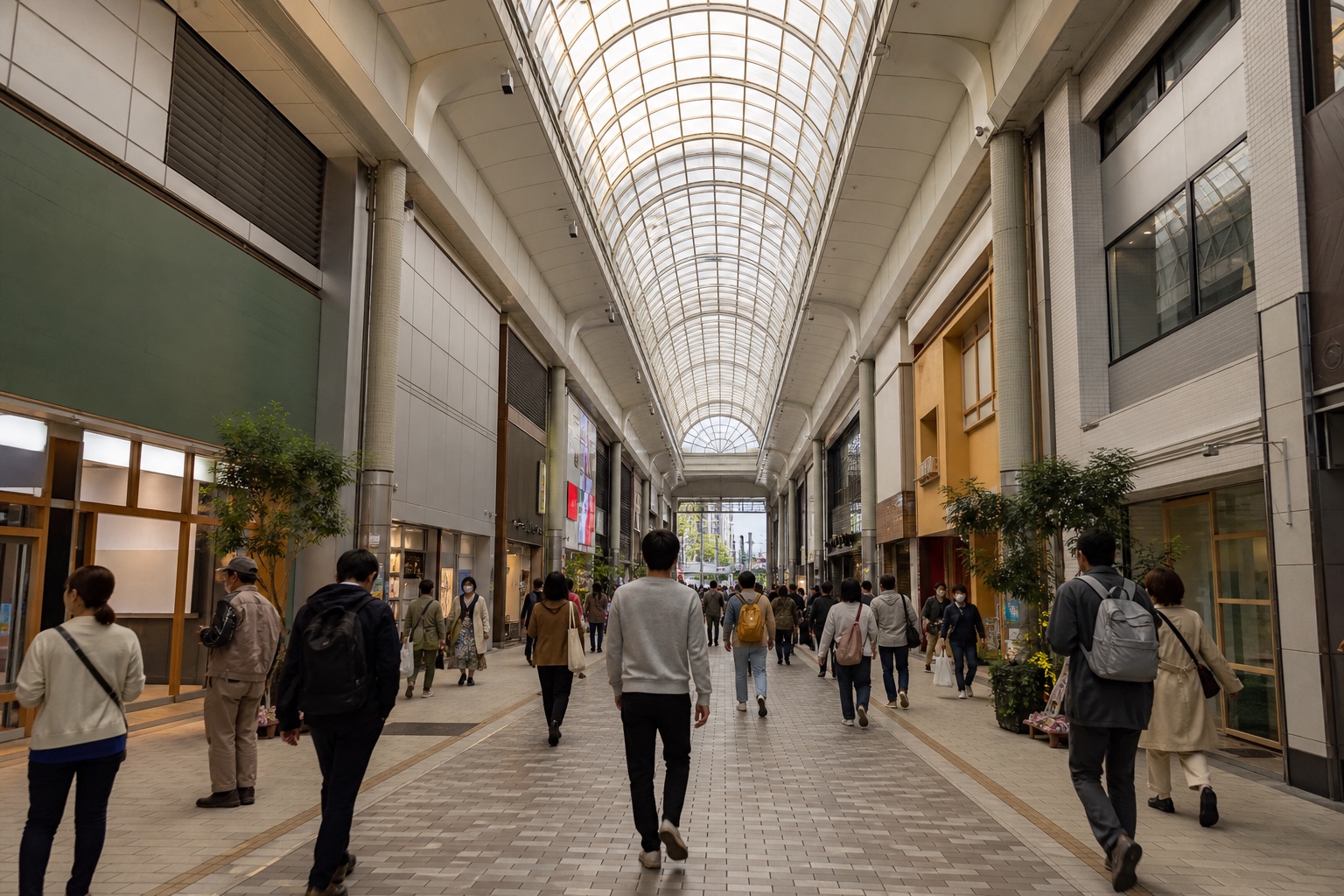
01Nakano Broadway
Specialist collectingA multi-level specialist complex for manga, animation goods, vintage toys, watches, coins, audio, and art.
 02
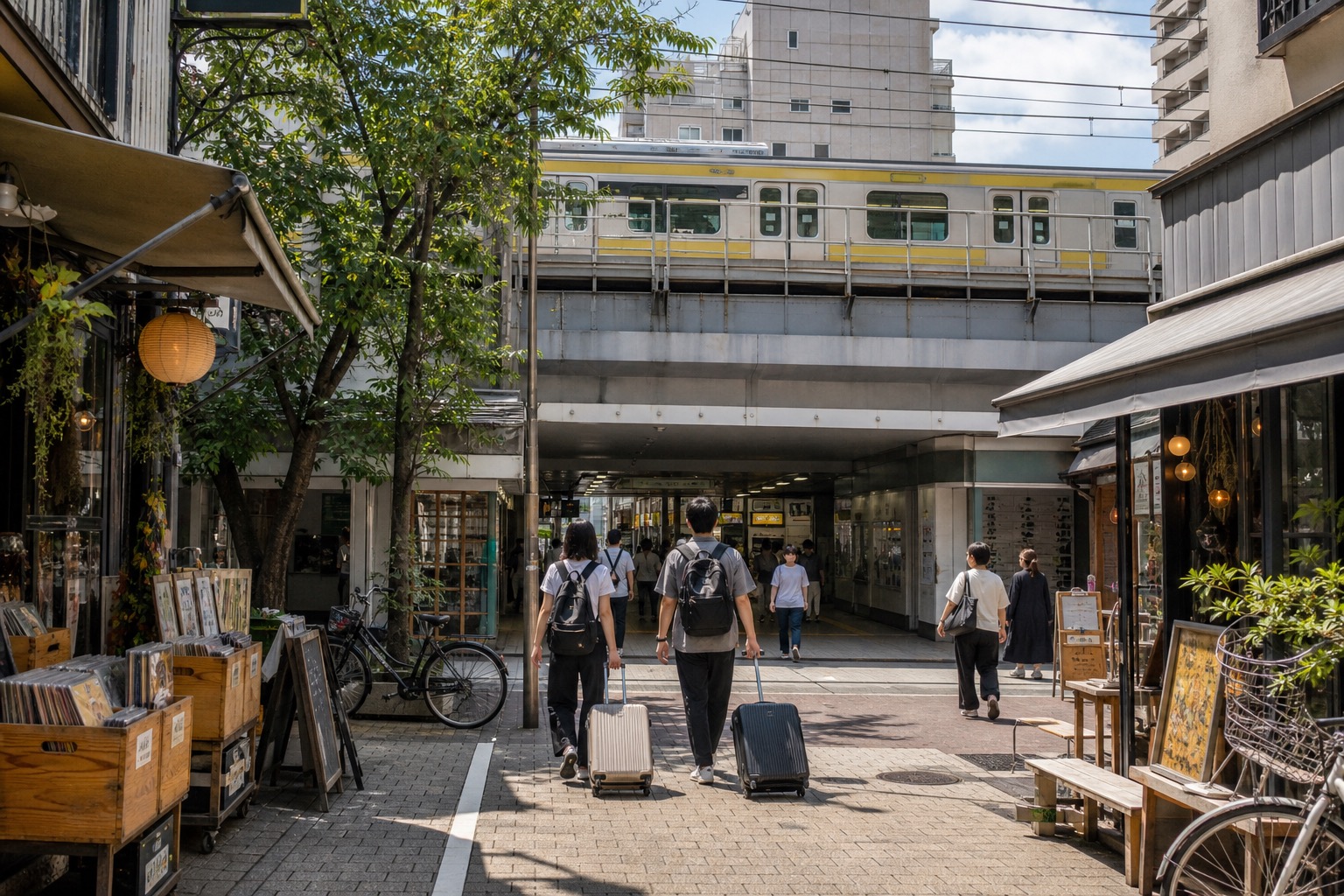
02Koenji Shopping Streets
Vintage and musicJunjo, Nakadori, Pal, and Look distribute vintage shops, records, food, bars, and live houses across Koenji.
 03
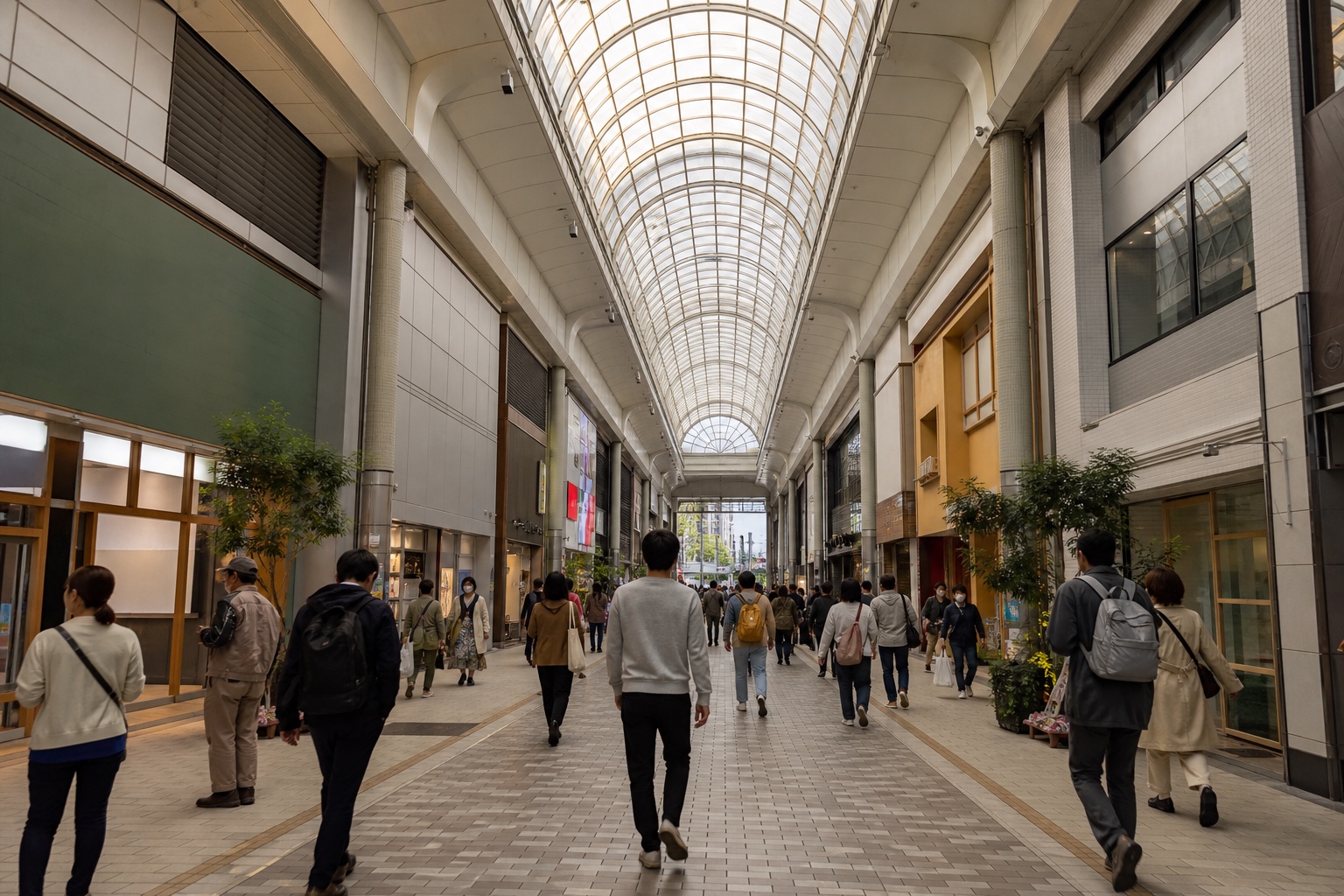
03Sun Mall
Covered arcadeA covered arcade north of Nakano Station mixing chains, local businesses, food, and access toward Nakano Broadway.
 04
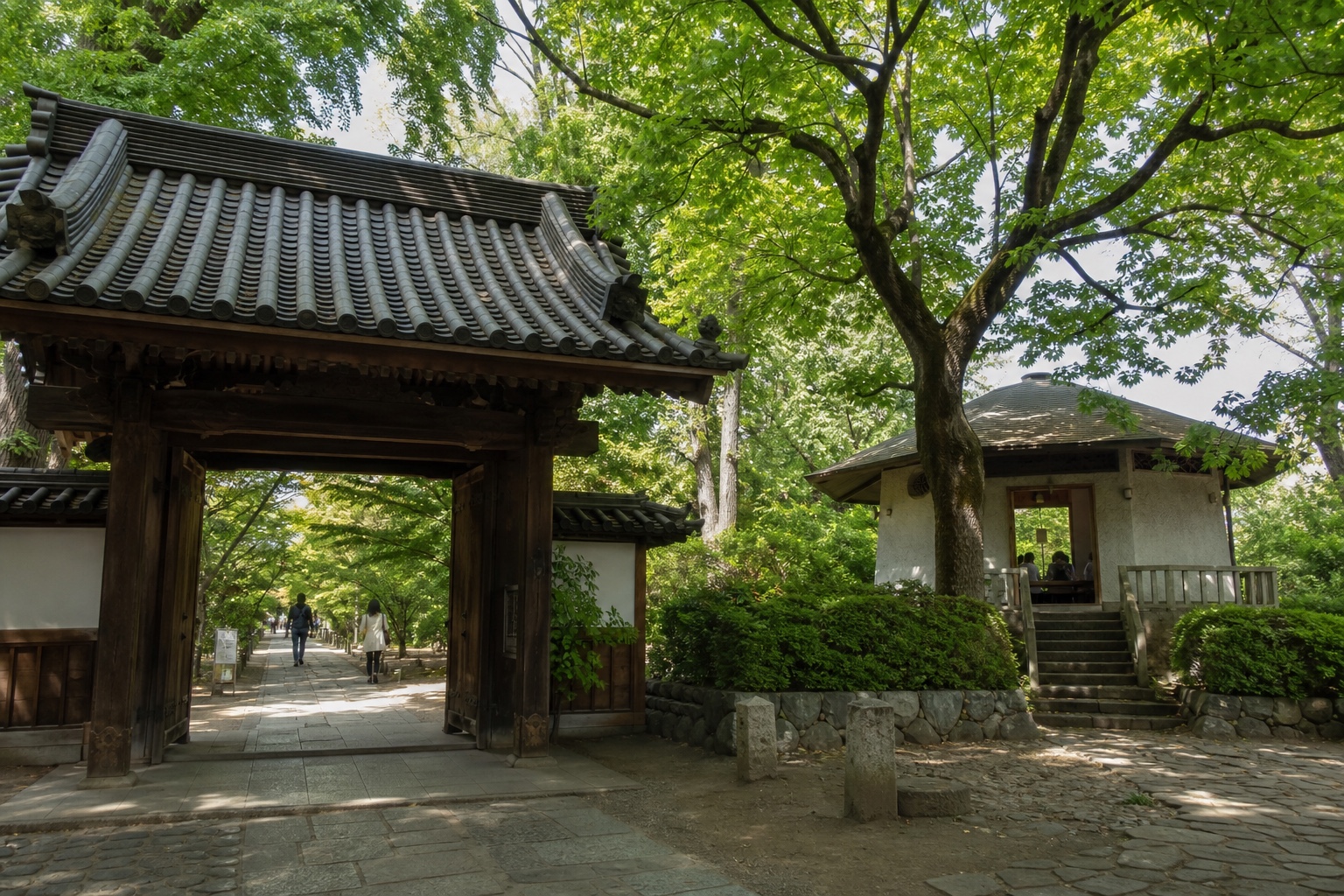
04Araiyakushi and Tetsugakudo Park
Quiet park and templeA quieter side of the ward for a break from indoor specialist shopping.
Nakano or Koenji: choose by the evening you want
Nakano is the efficient choice. JR Chuo Rapid, Chuo-Sobu Local, and Tokyo Metro Tozai trains serve the station. Sun Mall runs north from the station toward Nakano Broadway, giving rain-resistant access to food and shopping. The northern blocks mix large redevelopment, offices, universities, parks, small alleys, and specialist retail.
Koenji is the experiential choice. Its appeal is distributed through Junjo, Nakadori, Pal, and Look shopping streets rather than concentrated in one mall. Used clothing and record shops lead into restaurants, tiny bars, and live houses. The district stays socially active later than many residential areas, but “nightlife” here means local rooms and specific scenes, not giant clubs.
The two stations are adjacent on the local line, so visiting both is easy. Staying in one is still different from staying in the other. Nakano suits planned shopping and faster weekday rail. Koenji suits spontaneous evenings and a short walk home after a show.
How to Get from Nakano Station to Koenji Station
Nakano has the simpler all-week pattern. Rapid and local JR services plus the Tozai Line provide several ways east. Shinjuku is roughly one rapid stop away, while the local train gives predictable access to Koenji and central stations.
Koenji requires one rule: the orange Chuo Rapid does not stop there on weekends and holidays. Use the yellow Chuo-Sobu Local. Special Rapid and other limited-stop services also pass Koenji. A train terminating at Nakano is not an error; leave it there and wait for the following local service.
| Destination | Practical route | Main trade-off |
|---|---|---|
| Shinjuku | JR Chuo or Chuo-Sobu | Easy; Koenji’s rapid pattern changes on weekends |
| Akihabara | Chuo-Sobu Local | Direct but a long local ride |
| Tokyo Station | Chuo Rapid from Nakano; local/transfer from Koenji | Weekday and weekend patterns differ |
| Shibuya | Change at Shinjuku | Crowded interchange |
| Kichijoji | Chuo service west | Fast from Nakano; verify Koenji stop pattern |
| Otemachi | Tozai Line from Nakano | Convenient for business districts |
| Haneda or Narita | Multiple transfers | Neither area is an airport-access base |
Travel time is not the only issue. Koenji’s narrow shopping streets and bicycles make rolling luggage awkward at busy hours. If a hotel is advertised as “Nakano” or “Koenji,” check the exact JR gate and whether the route uses a shopping street rather than a wide road; the two neighborhoods are not interchangeable for luggage.
Weekend train warning: Koenji loses Chuo Rapid stops on weekends and holidays. Use the Chuo-Sobu Local and confirm the hotel’s walking side before carrying bags through the station area.
What to do in Nakano
Nakano Broadway is the headline, but it is not one unified anime store. It is a multi-level complex with specialist dealers in manga, animation goods, vintage toys, watches, coins, audio, art, and other collections. Individual shops keep their own hours and closing days. Arriving at opening time does not guarantee that every floor is fully active.
Sun Mall is the practical approach. The covered arcade extends north from the station and mixes chains with local businesses. Fujiya Camera and surrounding specialist shops make the area useful beyond character merchandise. Restaurant alleys around the station cover ramen, sushi, curry, izakaya food, cafes, and late casual meals.
Nakano Central Park provides a reset after crowded indoor shopping. Araiyakushi and Tetsugakudo Park require more time but show a quieter side of the ward. Do not schedule Broadway as a 30-minute photo stop; collectors can lose half a day, while non-collectors may be satisfied in ninety minutes.
What Koenji feels like after dark
Koenji’s strongest hours begin in the afternoon. Vintage stores and cafes lead into dinner, then live houses and bars take over. Performance schedules are genre-specific: punk one night does not mean punk every night. Check the venue’s official schedule, ticket rules, drink charge, and re-entry policy before traveling across town.
Small bars may have six or ten seats. Entering as a group of five can change the atmosphere or simply be impossible. Ask before moving stools, keep voices proportionate to the room, and pay attention to cover charges. A translation app helps, but curiosity and patience matter more than perfect Japanese.
The neighborhood is not continuously loud. Temples and residential streets sit close to entertainment blocks. This contrast is the charm, and also the obligation: do not carry bar volume into the walk home.
Festivals and crowd trade-offs
Tokyo Koenji Awa-Odori is scheduled for August 29–30, 2026 according to the official Suginami tourism site. The event transforms station access, prices, pedestrian routes, and noise. Book far ahead only if the festival is the purpose of the stay. If it is not, avoid those dates or choose a property outside the immediate station zone.
Koenji also has spring street performance, autumn Koenji Fest, and winter storytelling events. Event-day atmosphere is valuable, but it is not representative of an ordinary week. Always verify the current official event page because routes and times can change.
Best hotels in Nakano and Koenji
There is no honest list of ten conventional hotels here. This guide therefore separates true Koenji stays from nearby Asagaya alternatives. JR-East Hotel Mets Koenji is the clear full-service-style station choice. Koenji Junjo Hotel and GrapeHouse serve specific guesthouse travelers. Smile Hotel and Route-Inn widen inventory one or two stations west.
None of these should be presented as a Nakano Broadway hotel. Travelers focused on Nakano can ride one local stop from Koenji or a few stops from Asagaya. The journey is easy; the naming should remain honest.
- ★★★★★Not ratedOur pick
JR-East Hotel Mets Koenji
Couples, solo travelers, and easiest luggage accessThe clear conventional hotel choice in Koenji. Standard 15-square-meter single rooms take one or two, while a 30-square-meter universal twin is listed for up to four and requires telephone reservation.
Pros:Immediate station access, private bathrooms, and predictable hotel facilities.
Price: 🏷️ Station hotelTrade-off: One 140-centimeter bed is compact for two, and family inventory is limited.
📍 1 minute from JR Koenji north exit🗺️ Map - ★★★★★Not rated
Guest House Koenji Junjo Hotel
Budget solo travelers and tiny private-room staysA five-room tatami-and-futon guesthouse operated by the shopping district. Rooms are private, but bathrooms and toilets are shared; twin and single rooms are 5.09 square meters.
Pros:Real neighborhood location, private sleeping room, and clear official facility disclosure.
Price: 🏷️ Private-room guesthouseTrade-off: Shared facilities, extremely small rooms, and no windows in twin and single rooms.
📍 3 minutes from JR Koenji🗺️ Map - ★★★★★Not rated
GrapeHouse Koenji
Women actively choosing a social guesthouseA women-only small-property option with dormitory and private-room formats. It should be booked for its audience and atmosphere, not treated as a conventional hotel.
Pros:Women-only positioning and local guesthouse experience.
Price: 🏷️ Women-only guesthouseTrade-off: Restricted audience, shared-property conditions, and details that require direct confirmation.
📍 Koenji neighborhood; confirm current route and check-in🗺️ Map - ★★★★★Not rated
Smile Hotel Tokyo Asagaya — nearby alternative
Travelers needing broader conventional inventoryA 112-room JR-line alternative west of Koenji. It widens availability while keeping simple local-train access to both Koenji and Nakano.
Pros:Station-side location, conventional operation, and more inventory than Koenji guesthouses.
Price: 🏷️ Conventional business hotelTrade-off: It is Asagaya, not Koenji or Nakano, and room categories remain business-hotel scale.
📍 Beside JR Asagaya Station🗺️ Map - ★★★★★Not rated
Hotel Route-Inn Tokyo Asagaya — nearby alternative
Families, triples, breakfast, and laundryA practical alternative with twin and triple rooms, women-only-floor categories, breakfast, staffed reception, luggage storage, and coin laundry.
Pros:The strongest facilities and group inventory in this set.
Price: 🏷️ Full-practical business hotelTrade-off: Different neighborhood and a ten-minute walk to the JR line used for Koenji and Nakano.
📍 2 minutes from Minami-Asagaya Metro; 10 minutes from JR Asagaya🗺️ Map
How to choose the right property
Couples
Hotel Mets is the least complicated option: one minute from Koenji Station, private bathroom, conventional hotel operation, and 15-square-meter single rooms officially usable by one or two. A couple should still decide whether one 140-centimeter bed is comfortable.
Koenji Junjo’s twin room is a different product: 5.09 square meters, futons, shared bathroom and toilet, and no window in the twin rooms according to the official page. It buys location and character, not space.
Solo travelers
Solo guests have the best fit. Hotel Mets offers privacy and station convenience. Koenji Junjo provides a private tatami room with shared facilities. GrapeHouse is women-only and suits travelers actively choosing a guesthouse environment. Confirm check-in timing, luggage storage, towels, and quiet-hour rules before booking.
Families and groups
Hotel Mets lists a 30-square-meter universal twin for up to four, but official reservations for that room are handled by telephone. Confirm bed use and accessibility requirements directly. Koenji Junjo has one 7.63-square-meter triple room; it is too compact for three large suitcases.
Route-Inn Asagaya lists twin and triple inventory and is the safer volume choice. This is a nearby alternative, not a Koenji stay. Families trade the immediate nightlife for conventional facilities, breakfast, luggage storage, and coin laundry.
Accessibility
Hotel Mets’ universal twin is the strongest starting point, not a guarantee. Request doorway, bathroom, bed-clearance, and station lift information for the exact journey. Crowded arcades and narrow side streets can matter as much as the room.
Minami-Asagaya’s Route-Inn is two minutes from the subway, but the useful line depends on the itinerary. Never assume a “universal” label or short station distance answers a traveler’s individual mobility needs.
A two-day local plan
Day one: Nakano collecting and food
Arrive after the commuter peak, walk Sun Mall, and allow Nakano Broadway to expand or contract with your interests. Set a spending limit before specialist watch or collectable shops. Take a park break, then eat around Nakano Station rather than commuting elsewhere for dinner.
Day two: Koenji streets and music
Start south of Koenji Station with temples and Look Street. Cross through Pal and the vintage-shopping zone, pause for coffee, then return to the hotel before dinner. Leave purchases and luggage in the room before a small venue. Check the last local train even if the hotel is nearby; the show may lead to a second neighborhood.
Safety and practical details
Both areas are generally manageable urban neighborhoods, but nightlife changes the risk profile. Watch for bicycles, uneven thresholds, narrow stairs, smoking areas, and intoxicated pedestrians. Do not photograph customers inside small shops or bars without permission.
Guesthouses deserve careful reading. Shared bathrooms, unattended check-in, quiet hours, paid towels, no lift, or no luggage service may be normal. These are not defects when disclosed; they are bad surprises only when ignored.
Airports require transfers, so avoid splitting the final night here before an early international flight. During festivals, allow extra time and keep station exits clear. Save the property’s exact entrance because small guesthouses can be difficult to identify after dark.
Booking decision notes
Nakano and Koenji are useful precisely because they are not interchangeable with Shinjuku. Nakano is the efficient shopping base: Sun Mall, Nakano Broadway, and the station’s Chuo connections make a collector’s day easy to structure. Koenji is the evening choice, with live houses, vintage stores, small bars, and a more local rhythm after the day-trippers leave. The walk between the two is possible, but one local-train stop is kinder when bags or summer heat are involved.
JR-East Hotel Mets Koenji is the least complicated conventional option, one minute from the station with private facilities. Koenji Junjo Hotel and GrapeHouse Koenji suit travelers who accept shared facilities or a narrower property format in exchange for neighborhood immersion. Smile Hotel Tokyo Asagaya and Hotel Route-Inn Tokyo Asagaya are honest nearby alternatives when the local inventory does not meet twin, triple, accessibility, or budget needs. They should be labeled as Asagaya choices, not presented as hotels inside Nakano or Koenji.
The Chuo Rapid timetable is an easy mistake: weekday stopping patterns do not carry over to weekends and holidays, when the Chuo-Sobu Local is the dependable Koenji service. Airport access also requires transfers, so this is a better base for a culture-first itinerary than for a first or final night before an early international flight. Book here when the music, secondhand shopping, and small-scale nightlife are part of the trip; use Shinjuku when abundant hotel choice and late transport are the priority.
FAQ
Is Nakano better than Akihabara for anime shopping?
It is different. Nakano Broadway concentrates specialist and secondhand dealers in an older multi-level complex. Akihabara has a larger district, major chains, electronics, and more spectacle. Serious collectors should visit both.
Can I walk between Nakano and Koenji?
Yes, but taking one local-train stop is easier with shopping bags. The walk is useful only when exploring residential streets is part of the day.
Does the Chuo Rapid stop at Koenji?
On weekdays, regular Rapid services stop, but limited-stop categories do not. On weekends and holidays, Rapid services bypass Koenji; use the Chuo-Sobu Local.
Is Koenji nightlife loud?
Specific streets around bars and venues can be active, while nearby temple and residential blocks are quiet. Request a room orientation if sleep is sensitive and avoid festival dates.
Is this a good first-time Tokyo base?
It can be, when west-Tokyo culture is central to the trip. A first-time visitor prioritizing airports, major landmarks, and abundant hotels will usually find Shinjuku simpler.
Final verdict
Stay in Koenji because you want Koenji after the day-trippers leave. Use Nakano for efficient shopping and rail connections, but do not invent a hotel district that is not there. When room requirements exceed the small local supply, choose Asagaya or Shinjuku and visit by train—the honest compromise is better than the wrong room.
Explore more Tokyo areas
Compare Shinjuku for maximum hotel choice and late transport, Akihabara for electronics and large-scale anime retail, and Shibuya for clubs, fashion, and direct urban intensity.
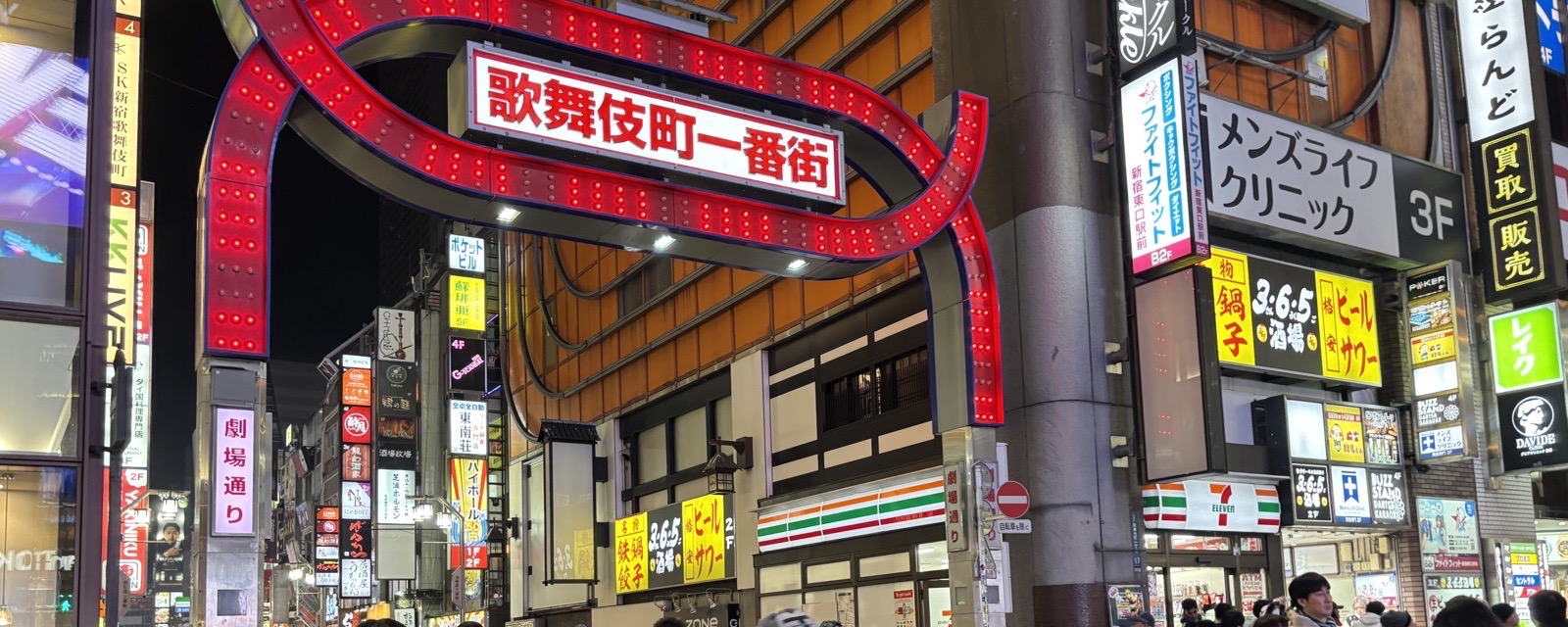
Shinjuku
Choose it for maximum hotel inventory, late transport, shopping, and big-city nightlife.
Open guide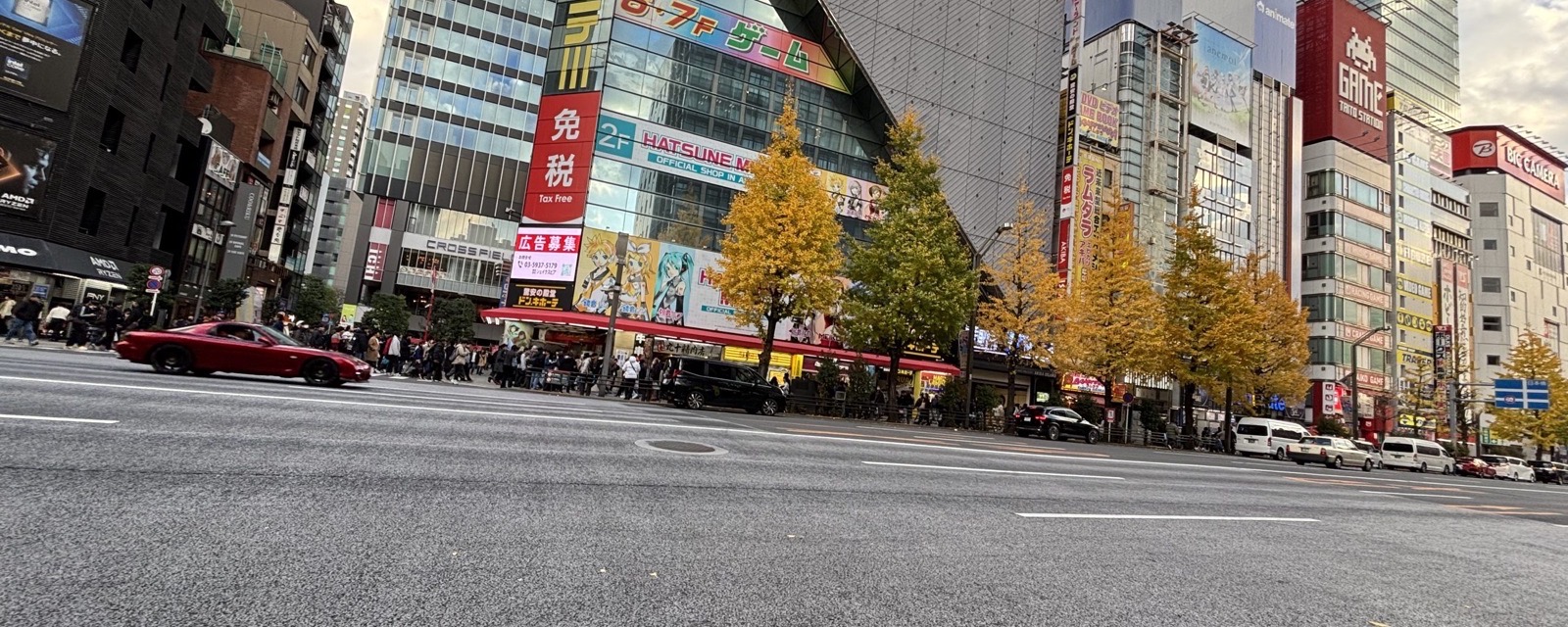
Akihabara
Choose it for large-scale anime retail, electronics, arcades, and direct east-Tokyo access.
Open guide
Shibuya
Choose it for clubs, fashion, landmark-scale urban energy, and south-west Tokyo access.
Open guideSome links below are affiliate links. If you book through them we may earn a small commission at no extra cost to you.