Where to Stay in Kichijoji: Parks, Local Food and West Tokyo Day Trips
Kichijoji combines a real park, dense local food and shopping, and two rail corridors. Its small hotel market is the trade-off.
Quick links
Is Kichijoji a good Tokyo base?
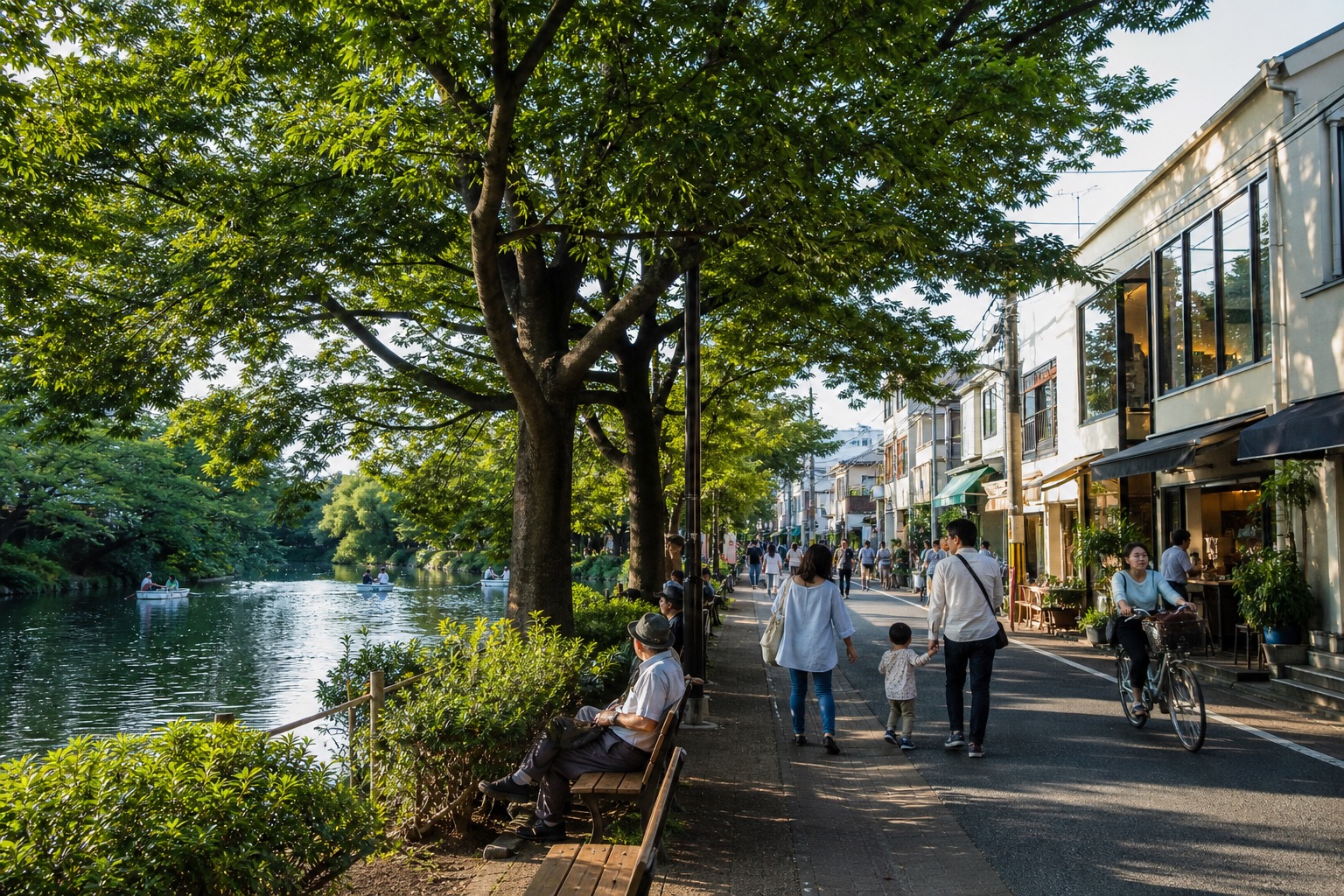
Kichijoji is one of Tokyo’s best “live here for a week” bases. Inokashira Park begins south of the station, dense shopping spreads north and east, and two independent rail systems connect the neighborhood to Shinjuku, Tokyo, Shimokitazawa, and Shibuya. A morning can start beside the pond, continue through a department-store basement, and finish in a tiny Harmonica Yokocho bar without leaving the district.
It is not a universal first-trip answer. Airport travel requires transfers, the major east-Tokyo sights sit across the city, and local hotel inventory is much smaller than in Shinjuku. Kichijoji works when west Tokyo is part of the plan rather than a decorative half-day excursion.
Best for:
- Couples and solo travelers who want a park outside the hotel.
- Families balancing playgrounds, casual meals, and city access.
- Visitors with a confirmed Ghibli Museum reservation.
- Repeat travelers exploring Kichijoji, Mitaka, Nakano, Koenji, or Mt. Takao.
- Travelers who prefer local evenings to giant entertainment districts.
Choose elsewhere if:
- An airport express must stop beside the hotel.
- Asakusa, Tokyo Disney Resort, or Tokyo Bay dominates the itinerary.
- Several connecting rooms or luxury facilities are required.
- Every night ends after the last westbound train.
- The traveler assumes “near Inokashira Park” also means beside Kichijoji Station.
Must-see Kichijoji landmarks and attractions
Kichijoji’s core attractions form a compact route. Use this visual shortlist to choose what to see first and where a hotel should sit.
 01
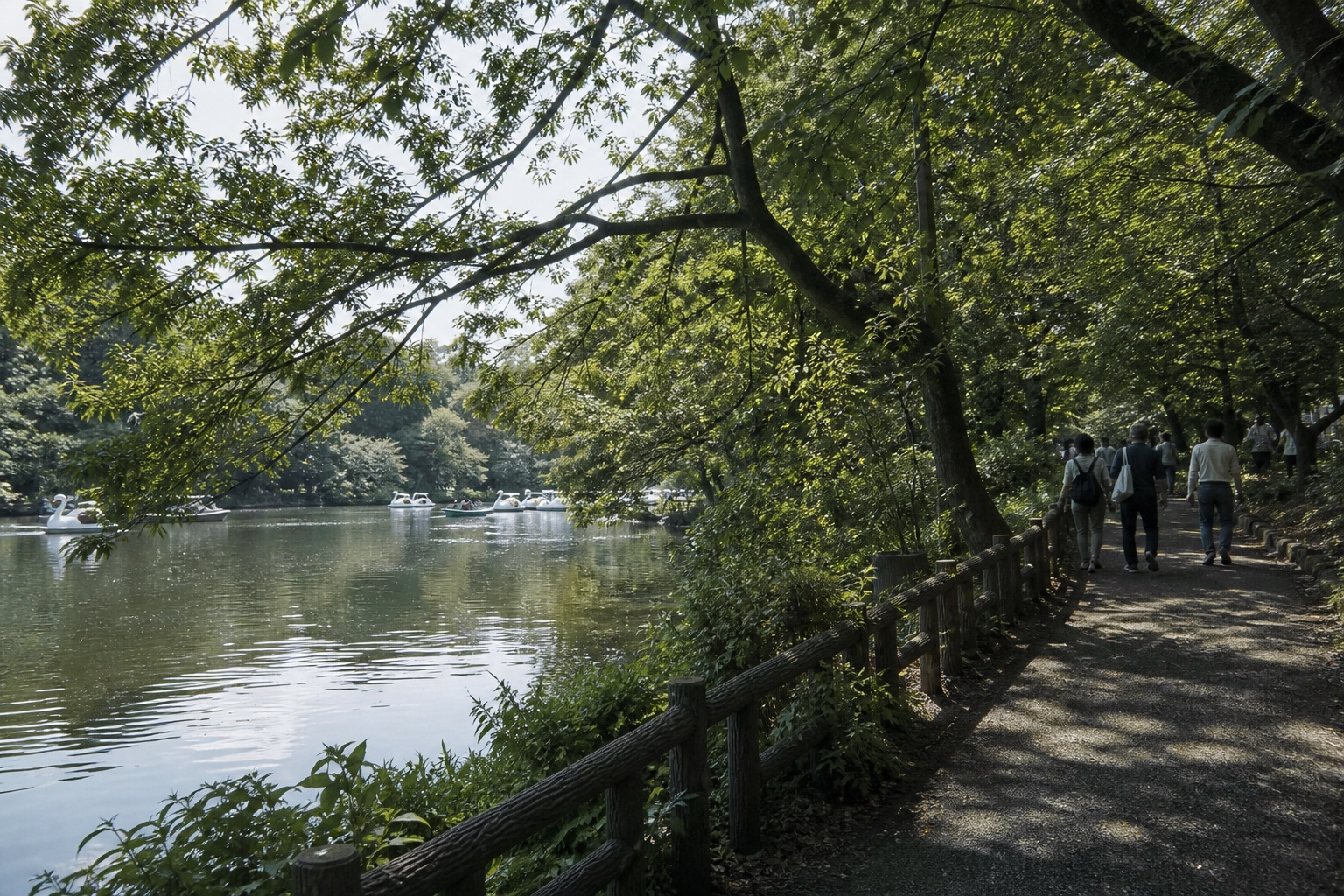
01Inokashira Park
Park walkA real park central to Kichijoji’s identity, useful for a walk beside the station-side city streets.
 02
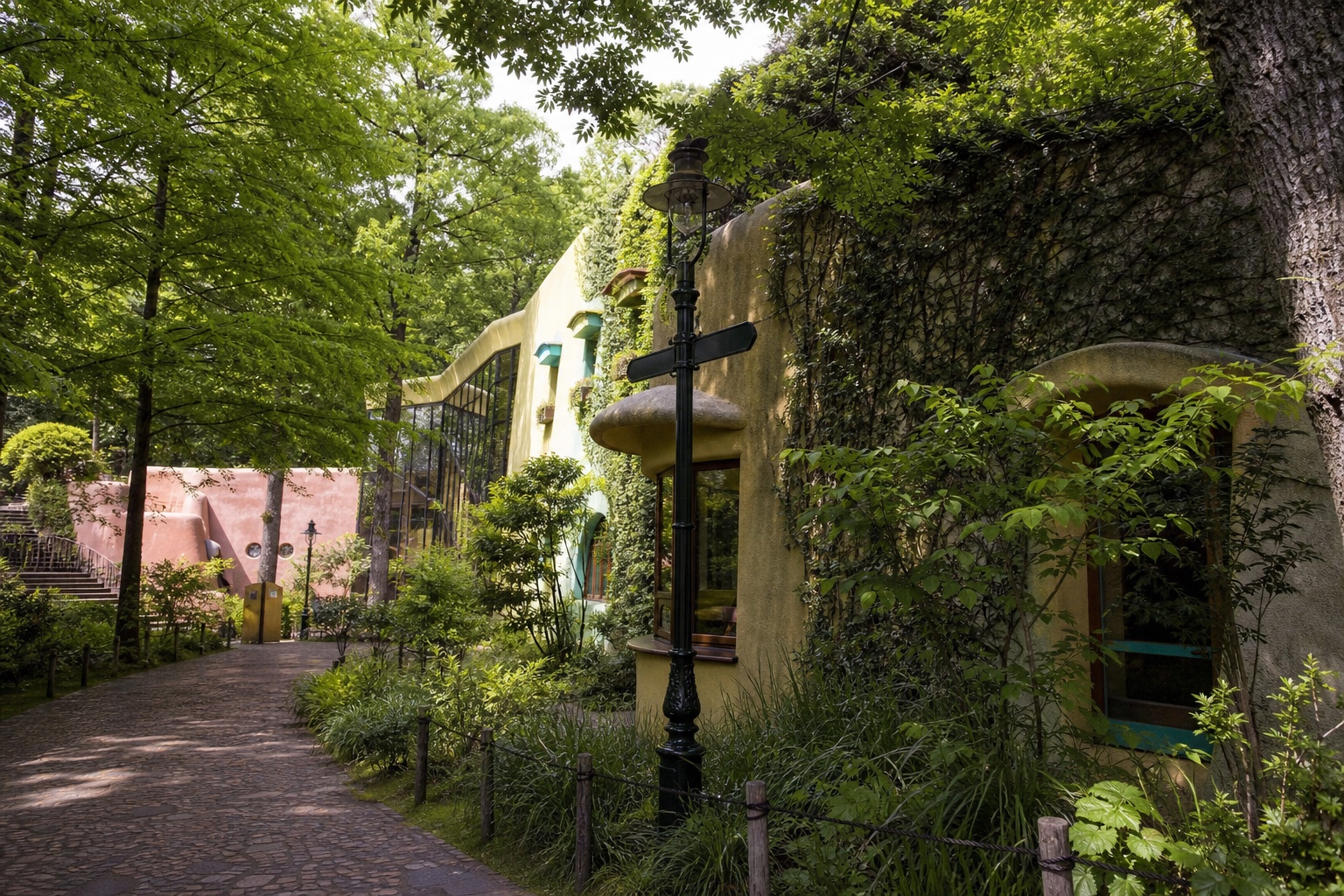
02Ghibli Museum
Advance-ticket museumThe museum sits beyond Inokashira Park; advance reservation is required and tickets are not sold at the museum.
 03
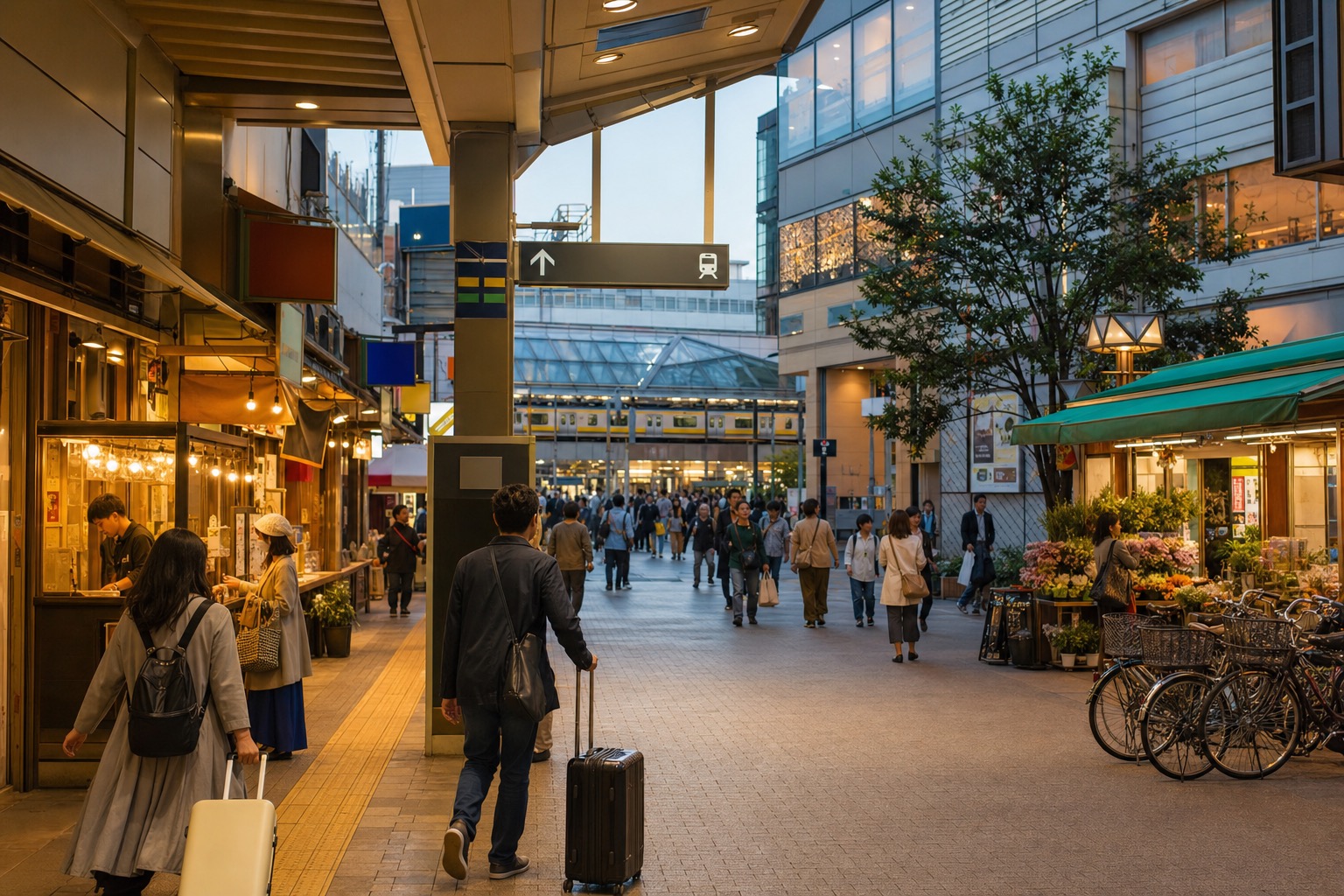
03Harmonica Yokocho
Tiny local eateriesA dense north-exit cluster of tiny businesses shifting from produce and casual counters to bars and local food.
 04
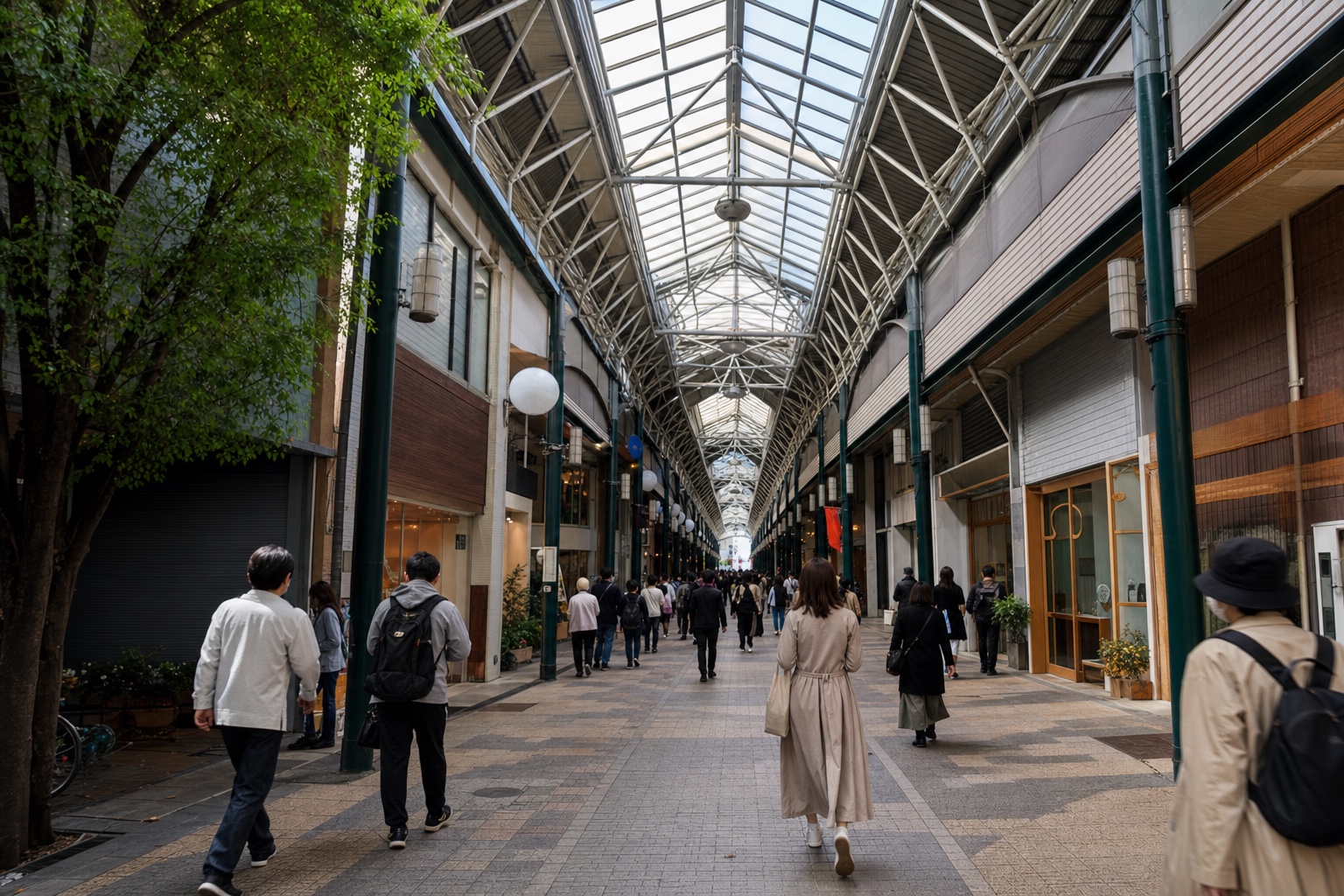
04Sunroad and Station Arcades
Rain-proof shoppingCovered arcades, department stores, and station buildings provide practical meals, gifts, food halls, and rain-resistant shopping.
Choose the north or south side carefully
The railway divides two useful versions of Kichijoji. The north side carries the largest shopping area: covered arcades, department stores, electronics, supermarkets, side streets, and Harmonica Yokocho. Kichijoji Excel Hotel Tokyu sits on this side, about eight minutes from the north exit according to its official site. It suits travelers who want the commercial district to continue between the station and the hotel.
The south side gives faster access to Inokashira Park and the Keio Inokashira Line. Kichijoji Tokyu REI Hotel is one minute from the station’s Park Exit. The streets are busy and compact, but the landscape changes quickly as the route descends toward the pond.
Neither side is objectively better. The important question is what the first and last ten minutes of each day should contain. Choose north for shopping and practical errands; choose south for the park and the shortest station walk.
Getting around on two rail networks
JR East serves Kichijoji with Chuo Rapid and Chuo-Sobu Local trains. Rapid services make Shinjuku and Tokyo practical, while local trains connect the string of western neighborhoods and continue toward central Tokyo. The station can be crowded, and platform choice matters: a limited-stop train may not serve every nearby destination.
Keio’s Inokashira Line terminates at Kichijoji and runs through Inokashira-koen and Shimokitazawa to Shibuya. This second corridor is the neighborhood’s strategic advantage. A disruption or itinerary on one side of the city does not always force the same route as JR.
| Destination | Practical route | Main trade-off |
|---|---|---|
| Shinjuku | JR Chuo Rapid | Crowded at commuter peaks |
| Tokyo Station | JR Chuo Rapid | Long cross-city ride |
| Shibuya | Keio Inokashira Line | Check local versus express pattern |
| Shimokitazawa | Keio Inokashira Line | Direct and useful |
| Nakano and Koenji | JR Chuo-Sobu/appropriate Chuo service | Koenji stopping pattern varies |
| Mitaka | JR westbound or park walk/bus | Museum is not at Kichijoji Station |
| Mt. Takao | JR/Keio connections west | Allow for transfers and return crowds |
| Haneda or Narita | Rail with transfers | No direct airport express |
Kichijoji Station contains JR and Keio areas plus multiple commercial connections. Save the exact exit and meet on one side of the gates. JR East station information is useful for checking the JR side, but a Keio hotel route should be checked separately because the station complex has multiple retail-level connections. “Outside Kichijoji Station” is not a sufficiently precise group plan.
Inokashira Park as an everyday asset
Inokashira Park is valuable because it is not a single ticketed attraction. The pond, paths, benches, woodland, shrine surroundings, zoo, and route toward Mitaka create several different mornings. The boat operation has seasonal hours and weather limitations, so check the Tokyo Metropolitan Park Association page rather than treating it as guaranteed.
Weekends, holidays, and cherry-blossom season produce a different park from an ordinary weekday. Paths narrow under crowds, boats queue, and picnic space becomes competitive. Staying nearby creates an advantage: visit before day-trippers arrive, then return to the hotel when the park is busiest.
The park is also a real urban ecosystem and public space. Do not feed wildlife, leave trash, block runners or bicycles, or assume every path is a photo set. Summer humidity and mosquitoes can be more significant than the pleasant tree cover suggests.
Ghibli Museum: build the trip around the ticket
The Ghibli Museum is in Mitaka, on the far side of Inokashira Park—not at Kichijoji Station and not interchangeable with Ghibli Park in Aichi. Admission is advance-reservation only. The official overseas ticket system releases the following month’s dates at 10:00 JST on the 10th of each month, and no tickets are sold at the museum.
Secure the reservation before choosing a hotel solely for the museum. A Kichijoji stay makes the day pleasant, but it does not create admission. From the area, visitors can walk through the park or use public transport according to mobility, weather, and timing.
Avoid filling the same day with a rigid west-Tokyo itinerary. The museum’s experience, park walk, and Kichijoji dinner are enough. The reservation time should anchor the day; everything else remains flexible.
Shopping, food, and Harmonica Yokocho
Kichijoji’s retail range is more useful than fashionable slogans suggest. Department stores and station buildings provide reliable meals, toilets, gifts, and food halls. Sunroad and surrounding arcades protect part of the walk from rain. Side streets add independent clothing, stationery, home goods, cafes, music, and secondhand shops.
Harmonica Yokocho is a dense cluster of very small businesses near the north exit. It changes character through the day: produce and casual counters give way to bars and evening food. Some rooms seat only a handful of people. A group should not expect to enter together, rearrange furniture, or linger over one inexpensive order.
Local food is the point, but not every meal must be a queue. Use the department-store basement for a picnic or hotel-room dinner, keep one popular restaurant as a target, and choose the rest by current conditions. Families will find broad casual options around the station; travelers with allergies should communicate in advance because tiny kitchens may share stock, oil, grills, and utensils.
West Tokyo day trips from Kichijoji
Kichijoji makes nearby neighborhoods feel like parts of one trip. Nakano offers specialist collectables and cameras. Koenji adds vintage clothing and live music. Mitaka provides the museum and quieter streets. Musashisakai and the Chuo corridor lead toward suburban museums, parks, universities, and western Tokyo.
Mt. Takao is possible as a day trip, but Kichijoji is not on the simplest Keio Main Line route. Compare live journey planners and avoid describing it as direct. The value is being farther west than central hotel districts, not eliminating every transfer.
Shibuya and Shimokitazawa are reached by the Inokashira Line, which makes a south-western itinerary unusually coherent. A traveler can spend one day in the park, one in central west Tokyo, and one farther out without using the Yamanote Line for every journey.
Best hotels in Kichijoji
The honest core list has two Kichijoji hotels, not ten. Kichijoji Tokyu REI Hotel is the station-and-park choice. Kichijoji Excel Hotel Tokyu is the north-side shopping and room-choice property. When both are unavailable or unsuitable, Mitaka and Musashisakai are nearby alternatives that should be labeled as such.
Richmond Hotel Tokyo Musashino is seven minutes from Mitaka north exit and one JR stop from Kichijoji. JR-East Hotel Mets Musashisakai is a station-side alternative farther west. Neither gives a nightly walk through Kichijoji, but both can solve inventory, work-space, or station-access requirements.
- ★★★★★Not ratedOur pick
Kichijoji Tokyu REI Hotel
Shortest station walk, couples, and park accessThe simplest Kichijoji arrival. It sits on the south side beside the station, favoring Inokashira Park and Keio Inokashira Line trips.
Pros:One-minute walk, private hotel facilities, and the best luggage route in the set.
Price: 🏷️ Station-side city hotelTrade-off: Functional city-hotel format and less immediate access to the north shopping district.
📍 1 minute from JR/Keio Kichijoji Park Exit🗺️ Map - ★★★★★Not rated
Kichijoji Excel Hotel Tokyu
Broader room choice, shopping, and familiesThe stronger north-side option near Kichijoji’s main commercial streets. Its larger-property format and room range are useful when a simple compact room is not enough.
Pros:North-side shopping location, broader room selection, and conventional facilities.
Price: 🏷️ Larger north-side city hotelTrade-off: An eight-minute walk through busy streets and farther from the park.
📍 8 minutes from Kichijoji north exit🗺️ Map - ★★★★★Not rated
Richmond Hotel Tokyo Musashino — nearby alternative
Work trips, quiet rooms, and alternative inventoryA clearly labeled Mitaka alternative with desks, Hollywood twin inventory, breakfast, and coin laundry. The official site states Kichijoji is about two minutes away by JR.
Pros:Practical work setup, conventional services, and easy one-stop access.
Price: 🏷️ Business-focused nearby hotelTrade-off: Not in Kichijoji and a seven-minute walk from Mitaka Station.
📍 7 minutes from Mitaka north exit; one JR stop from Kichijoji🗺️ Map - ★★★★★Not rated
JR-East Hotel Mets Musashisakai — nearby alternative
Easy luggage, west-Tokyo trips, and overflow datesA station-side option farther west when Kichijoji inventory is unavailable. It preserves JR Chuo access but changes the nightly neighborhood completely.
Pros:Immediate station access and predictable hotel operation.
Price: 🏷️ Station-side nearby alternativeTrade-off: Several stops from Kichijoji and no walk-home access to its park or dining.
📍 At JR Musashisakai south exit🗺️ Map
How to choose the right hotel
Couples
Tokyu REI wins when the shortest station walk and park access matter. Excel Hotel suits couples who prefer a larger north-side property and do not mind an eight-minute walk through the shopping district. Compare the actual double or twin category rather than the property name.
Families
Room configuration is more important than park proximity. Excel Hotel’s broader category range is the first place to check. If the required twin or multi-person room is unavailable, Richmond’s Hollywood twin or other explicitly configured rooms may be safer than forcing a small double.
Ask how children are counted, whether bed-sharing is allowed, and whether breakfast is necessary. A family can eat easily around Kichijoji; paying for an inflexible plan is not always useful.
Solo travelers and work trips
Tokyu REI provides the simplest arrival. Excel Hotel offers a larger property environment. Richmond at Mitaka explicitly emphasizes desks and business use, and its seven-minute walk may be acceptable when a quieter room and work setup outweigh nightly Kichijoji access.
Accessibility
Start with the exact station exit and route. The park contains gradients and uneven surfaces, while the north shopping district becomes crowded. Ask the hotel for room-door, bathroom, bed-clearance, lift, and entrance details rather than accepting an accessibility label alone.
A two-day plan
Day one: park and local evening
Walk the park early, before the busiest period. Continue toward the zoo or museum only with a valid plan and reservation. Return through the south side, rest at the hotel, then explore the station buildings and north-side arcades. Eat in Harmonica Yokocho only if the group size and available seats fit.
Day two: west-Tokyo branch
Choose one direction. Take JR toward Nakano and Koenji for collectables, vintage clothing, and music, or use the Inokashira Line for Shimokitazawa and Shibuya. Returning to Kichijoji for a calm dinner is part of the benefit; do not add both branches to one rushed day.
Safety and practical details
The area is generally comfortable, but station crowds, bicycles, narrow alleys, pond edges, and nightlife still require attention. Keep children close around platforms and water. Do not leave shopping bags unattended on park benches.
Luggage is easiest at Tokyu REI because of the station distance. The Excel route is manageable but runs through a busy commercial area. Confirm pre-check-in storage. Coin lockers can fill on weekends and during events.
Airport departures need a transfer and buffer. A very early flight is a reason to move the final night closer to the airport. In heavy rain or summer heat, the park-to-hotel distance feels longer than a map suggests.
Booking decision notes
Kichijoji is a lifestyle choice before it is a transport bargain. The south side puts Inokashira Park and the station close together, while the north side has the strongest shopping, restaurant, and Harmonica Yokocho energy. Kichijoji Tokyu REI is the low-friction option when a one-minute station walk matters. Kichijoji Excel Hotel Tokyu gives more conventional full-service space near the north side, but the walk and the price should be checked against the exact date. Nearby Musashino options can solve inventory problems, though they no longer give the same evening experience.
The Ghibli Museum must be planned around the ticket, not added casually after booking the hotel. Official admission is advance-reservation only, and the popular dates can shape the whole itinerary. Inokashira Park is a genuine daily asset, but a public park being open does not mean every boat, facility, restaurant, or path operates late. For airport-heavy trips or itineraries dominated by Asakusa, Ueno, and Tokyo Station, compare the transfer burden with Shinjuku before assuming that west Tokyo is cheaper.
Choose Kichijoji when a slower neighborhood evening and a park morning are worth the extra cross-city travel. Compare the total room price, cancellation rules, and rail cost on the dates you need; the smaller hotel supply means popular weekends can erase the expected suburban discount.
FAQ
Is Kichijoji inside central Tokyo?
It is in Musashino City, west of the 23 special wards, but functions as part of metropolitan Tokyo. Rail access is strong; geography matters more than the administrative boundary.
Is Kichijoji good for first-time visitors?
Yes when parks, west Tokyo, and local evenings are priorities. Visitors focused on airport simplicity and east-Tokyo landmarks may prefer Shinjuku or a central/eastern base.
Can I visit the Ghibli Museum without advance tickets?
No. The official museum states that all admission requires advance reservation and that tickets are not sold at the museum.
Is Inokashira Park open at night?
The public park and individual facilities have different operating conditions. Do not assume boats, zoo, restaurants, or lit paths remain available because the broader park is accessible.
Is Kichijoji cheaper than Shinjuku?
Not automatically. Hotel supply is smaller and popular dates can be expensive. Compare the exact room, cancellation terms, and transport cost rather than assuming a suburban discount.
Final verdict
Kichijoji is worth staying in when the park and neighborhood are part of daily life, not just items on a checklist. Choose the south side for rail and green space, the north side for shopping and broader hotel facilities, or a clearly labeled nearby alternative when inventory fails. The reward is a Tokyo trip whose evenings feel local without becoming isolated.
Explore more Tokyo areas
Compare Shinjuku for maximum hotel choice and transport, Shibuya for direct urban nightlife, and Ikebukuro for family shopping and a larger western-Tokyo hotel market.
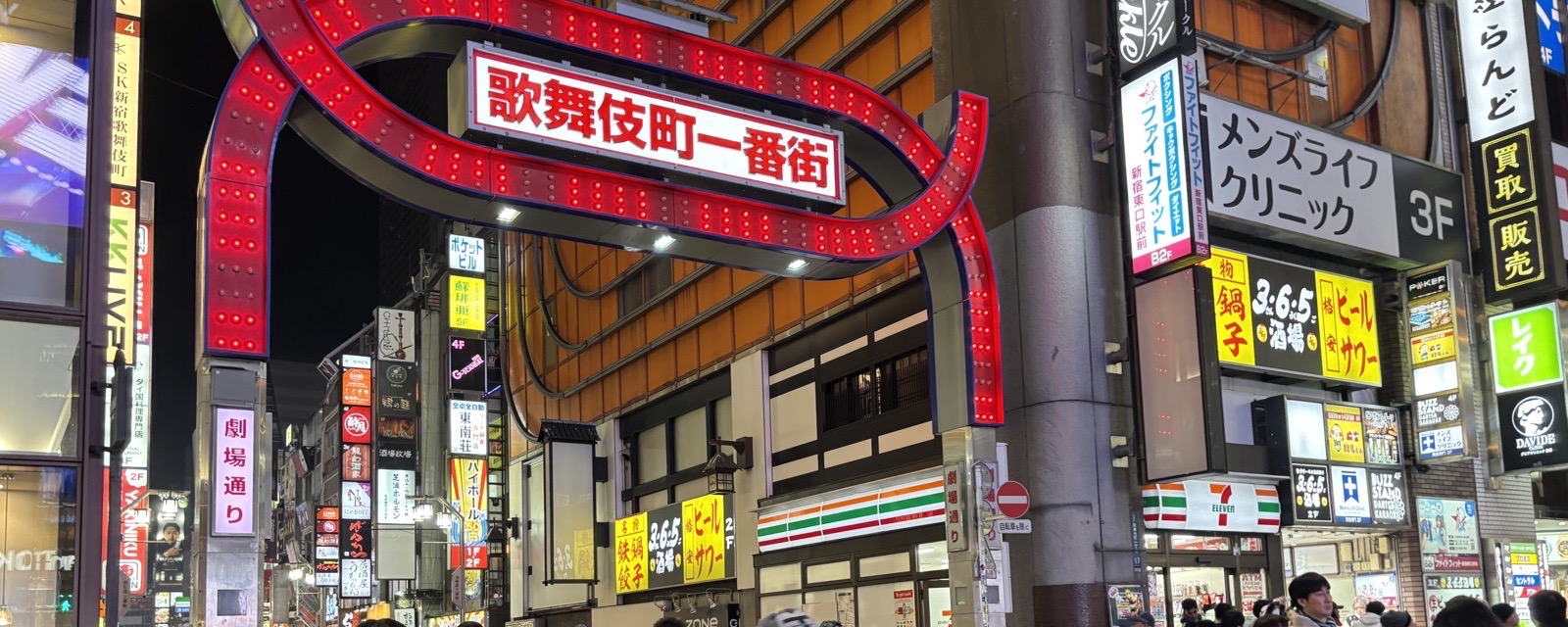
Shinjuku
Choose it for maximum hotel inventory, late transport, department stores, and city-scale nightlife.
Open guide
Shibuya
Choose it for landmark nightlife, fashion, and direct urban intensity on the Inokashira corridor.
Open guide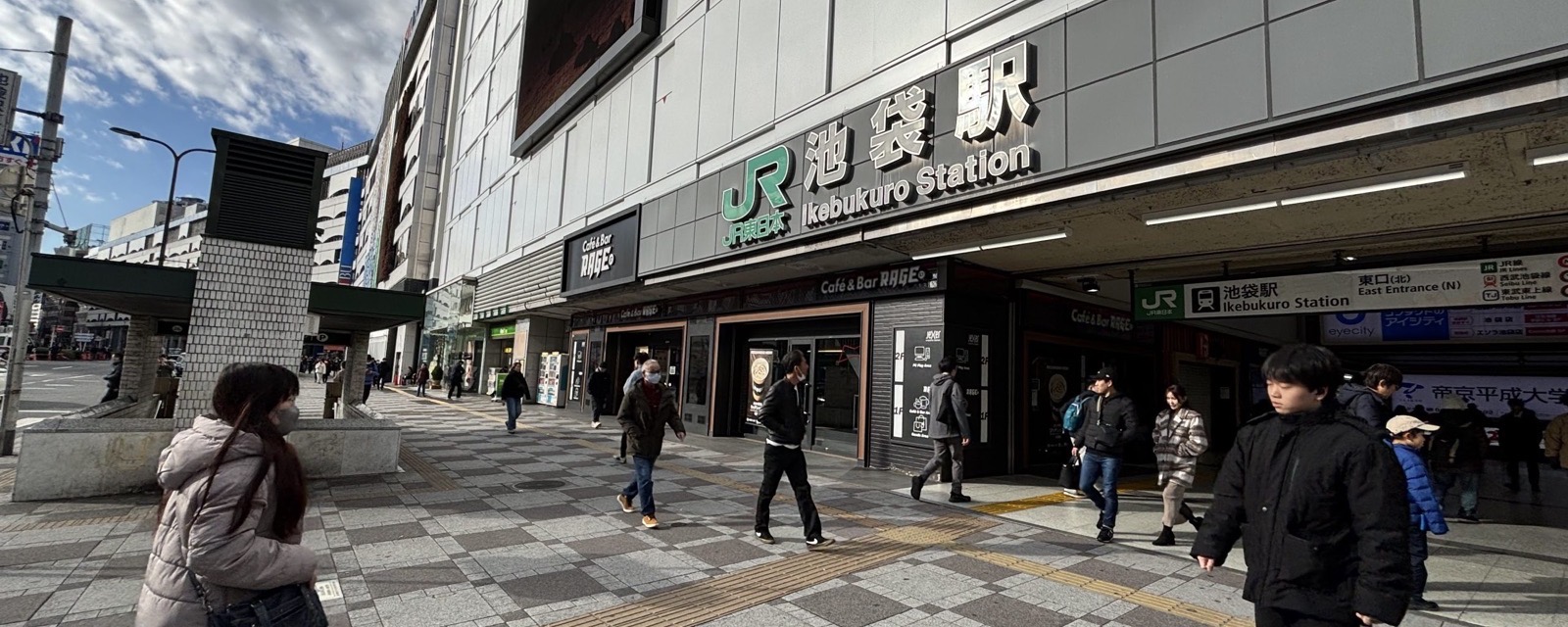
Ikebukuro
Choose it for a larger hotel market, family shopping, anime retail, and broad rail connections.
Open guideSome links below are affiliate links. If you book through them we may earn a small commission at no extra cost to you.