Where to Stay in Yanaka, Nezu & Sendagi: Traditional Tokyo without Asakusa Crowds
Yanesen offers temple lanes, small shops and quieter evenings near Ueno. Nippori, Sendagi and Nezu solve different transport problems.
Quick links
Is Yanesen a good Tokyo base?
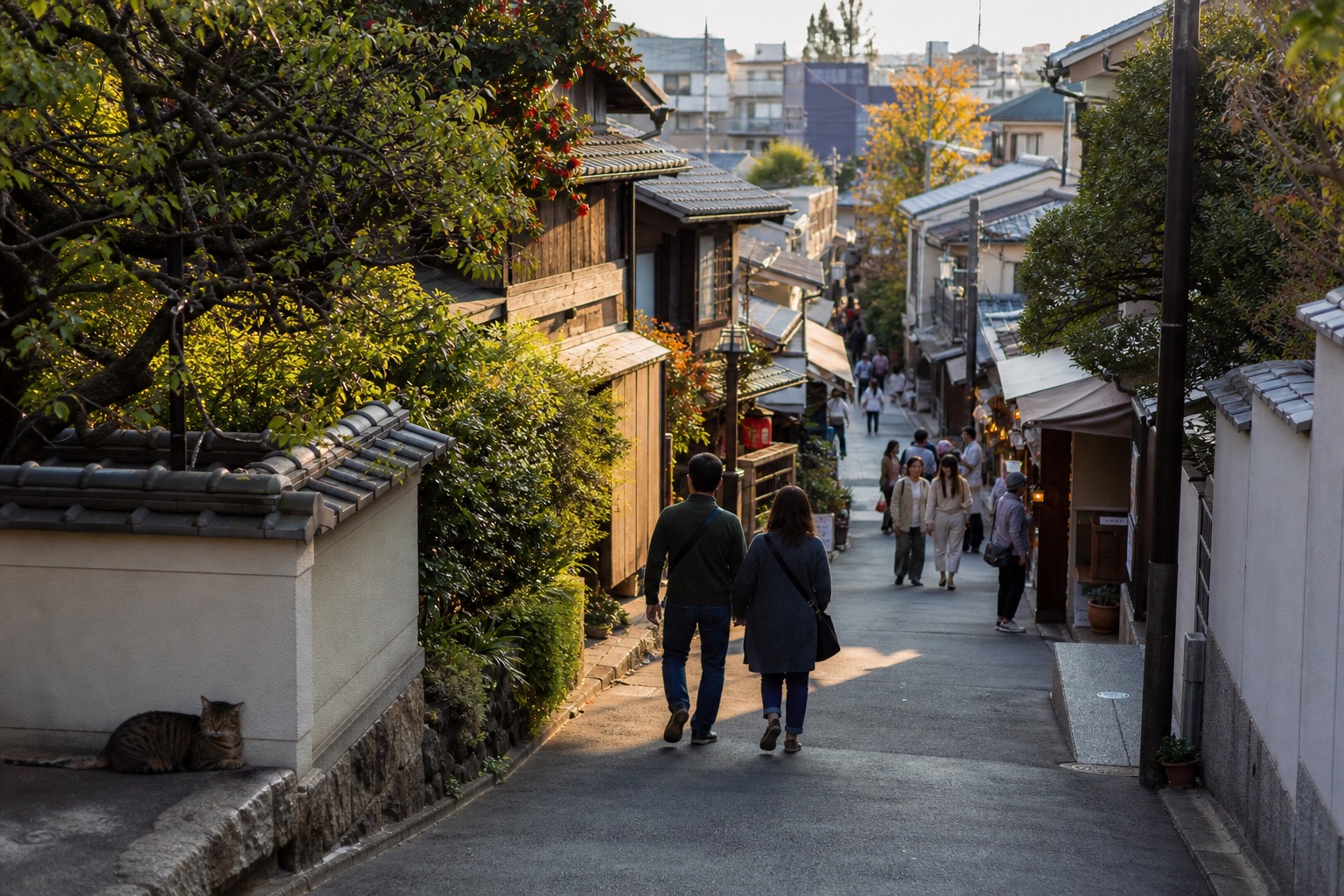
Yanaka, Nezu, and Sendagi—collectively called Yanesen—form one of Tokyo’s best bases for travelers who want ordinary neighborhood life around preserved temples, low-rise streets, small galleries, old shops, cafes, and public baths. Ueno’s museums sit close by, Nippori links directly to Narita, and the Chiyoda Line connects Sendagi and Nezu to central districts.
The area is quieter than Asakusa, but it is not an open-air museum. People live beside the lanes visitors photograph. Cemetery paths, shrine grounds, school routes, and tiny shops require restraint. Hotel supply is limited, nightlife closes early, and slopes separate some stations from the most atmospheric streets.
Best for:
- Repeat visitors and slow-travel couples.
- Travelers using Narita Airport through Nippori.
- Ueno museum visitors who want quieter evenings.
- Walkers interested in temples, architecture, crafts, and cafes.
- Solo travelers comfortable with small hotels or shared facilities.
Choose elsewhere if:
- Shibuya or Shinjuku nightlife ends every day.
- Large family suites and connecting rooms are mandatory.
- The group cannot manage hills, stairs, or uneven lanes.
- Shopping malls and late restaurant choice must be outside the hotel.
- A direct Haneda route matters more than Narita access.
Must-see Yanaka, Nezu & Sendagi landmarks and attractions
Yanaka, Nezu & Sendagi’s core attractions form a compact route. Use this visual shortlist to choose what to see first and where a hotel should sit.
 01
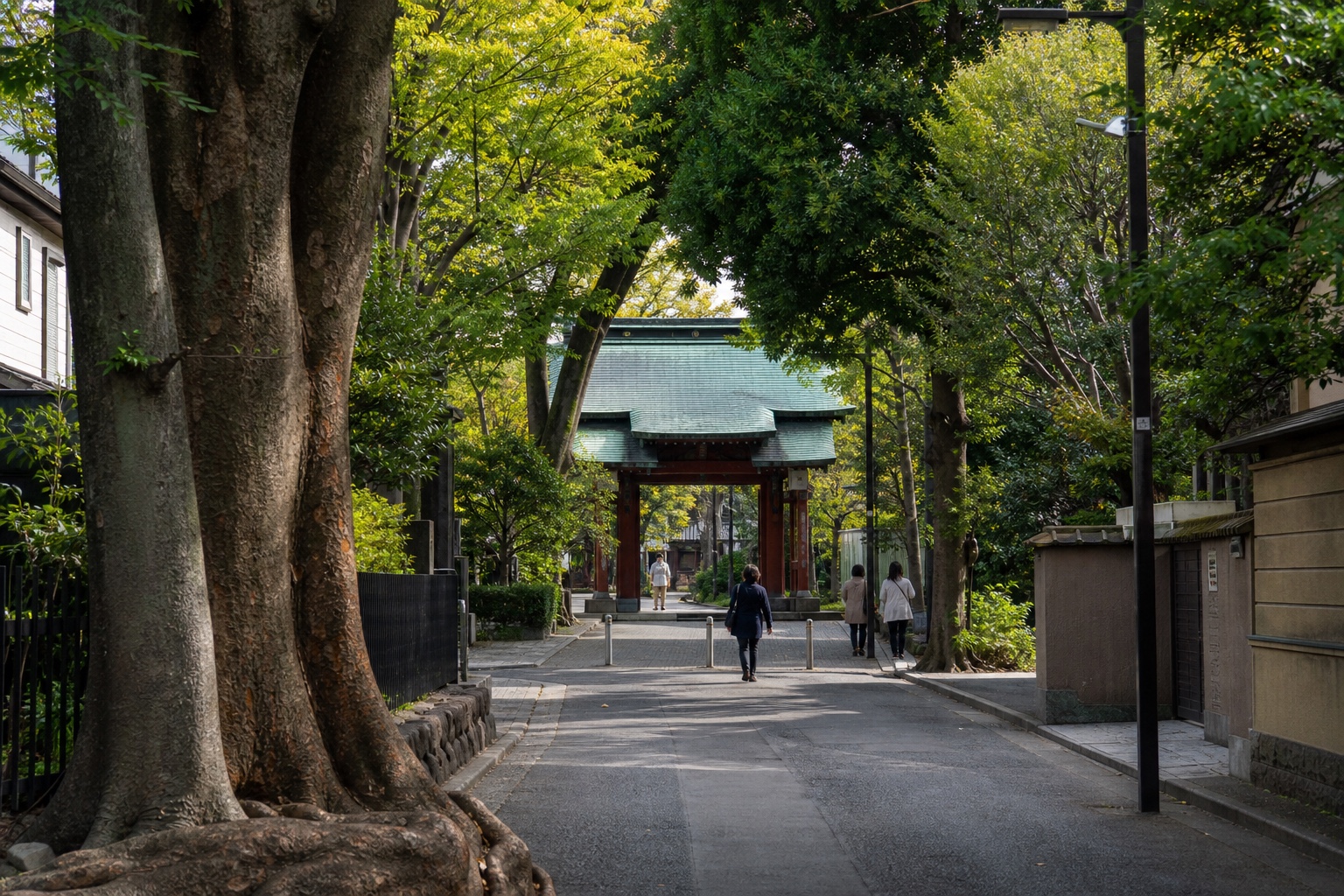
01Nezu Shrine
Shrine groundsWooded grounds, historic structures, and rows of small torii define this Nezu landmark.
 02
02Yanaka Ginza
Local shopping streetA compact shopping street with snacks, groceries, crafts, and small businesses near Sendagi.
 03
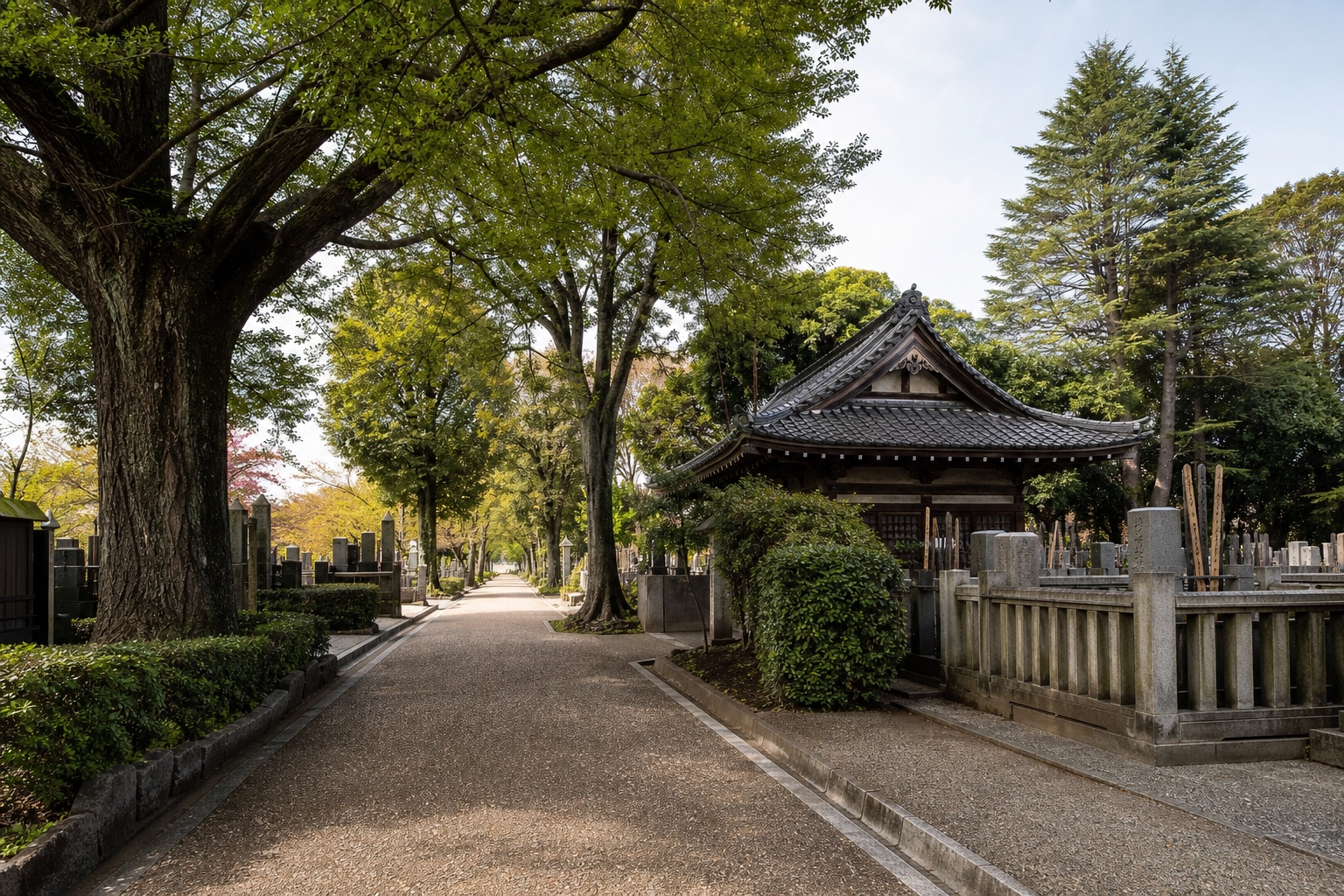
03Yanaka Cemetery
Cemetery walkA calmer walk through Yanaka’s cemetery and temple lanes, where visitors are asked to behave respectfully.
 04
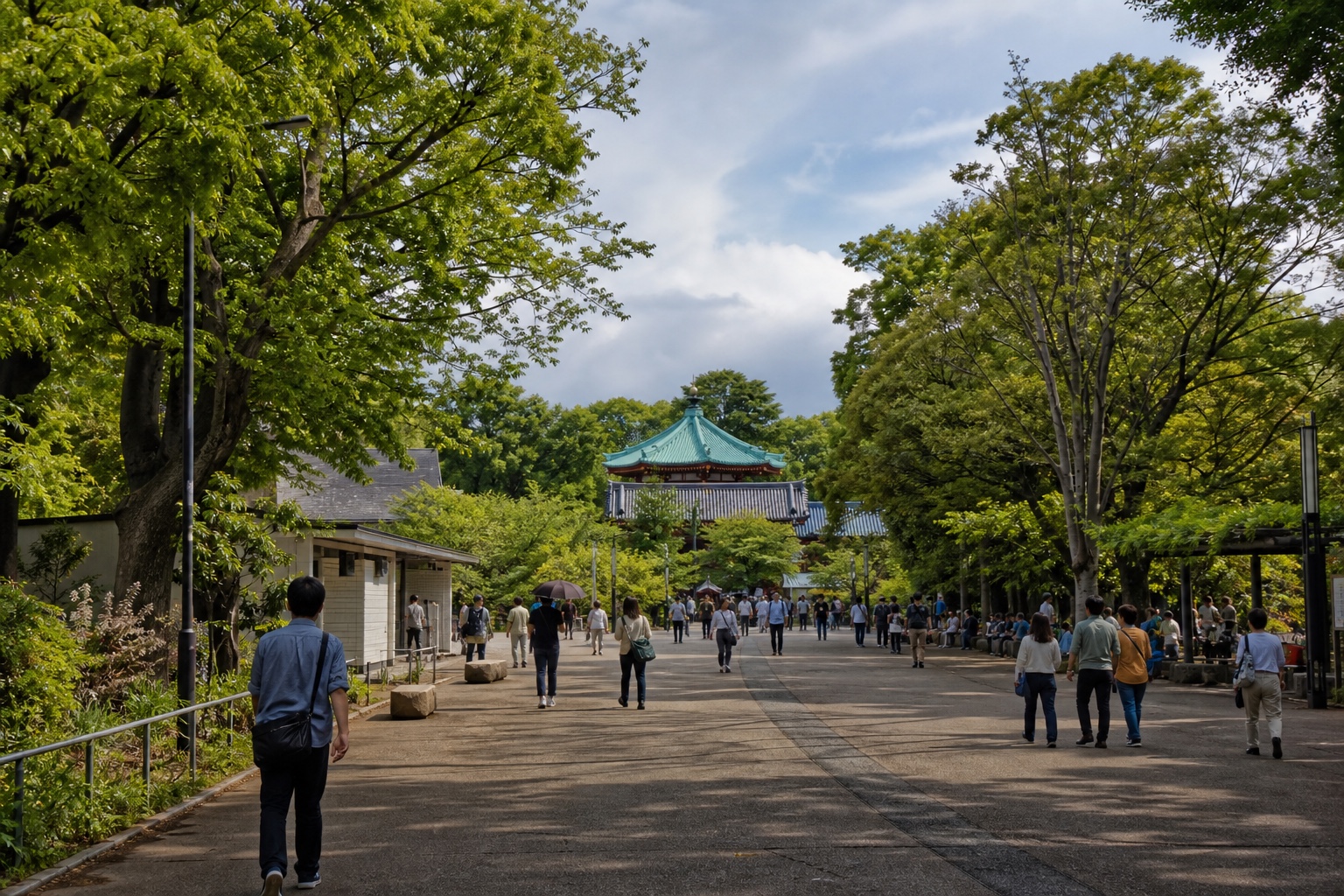
04Ueno Park
Museum and parkA walkable companion to Yanaka and Nezu, with national museums nearby.
Yanaka, Sendagi, or Nezu: three different bases
Yanaka is the visual heart: temple lanes, Yanaka Cemetery, old houses, galleries, and the western approach from Nippori. It has atmosphere but no subway station of its own. A property’s “Yanaka” label can mean a steep route from Nippori or a longer walk from Sendagi.
Sendagi is the balanced base. Tokyo Metro’s Chiyoda Line handles central travel, Yanaka Ginza sits nearby, and Nippori remains walkable for Keisei/JR access. Sakura Hotel Nippori is actually in Sendagi, which illustrates how tourism names overlap administrative addresses.
Nezu is quieter and more Ueno-oriented. Nezu Shrine, residential lanes, the University of Tokyo edge, and access toward Ueno Park define the area. HOTEL GRAPHY NEZU suits travelers who choose shared social space or a neighborhood hotel rather than a conventional station tower.
Getting around: airport convenience is uneven
Nippori is the transport anchor. JR Yamanote and Keihin-Tohoku services cover major city nodes, while Keisei trains provide the area’s Narita advantage. The west side opens toward Yanaka; many large conventional hotels are on the east side, across or around the station.
Sendagi and Nezu are on the Chiyoda Line. It is useful for Otemachi, Hibiya-area connections, Omotesando, and north-east Tokyo, but does not remove every transfer. The distance between a Chiyoda Line platform and a JR/Keisei platform is a street journey, not an in-station interchange.
| Destination | Practical route | Main trade-off |
|---|---|---|
| Ueno | Walk, bus, or short rail connection | Walking route varies by starting point |
| Tokyo/Otemachi | Chiyoda Line or JR from Nippori | Exact destination determines the better route |
| Akihabara | JR from Nippori or Ueno connection | No direct line from Nezu/Sendagi |
| Asakusa | Bus/rail connection or longer walk | Looks closer on a map than the easiest journey |
| Shinjuku | JR Yamanote from Nippori | Cross-city travel |
| Narita Airport | Keisei from Nippori | Property-to-station hills still matter |
| Haneda Airport | JR plus Monorail/Keikyu connections | No direct airport advantage |
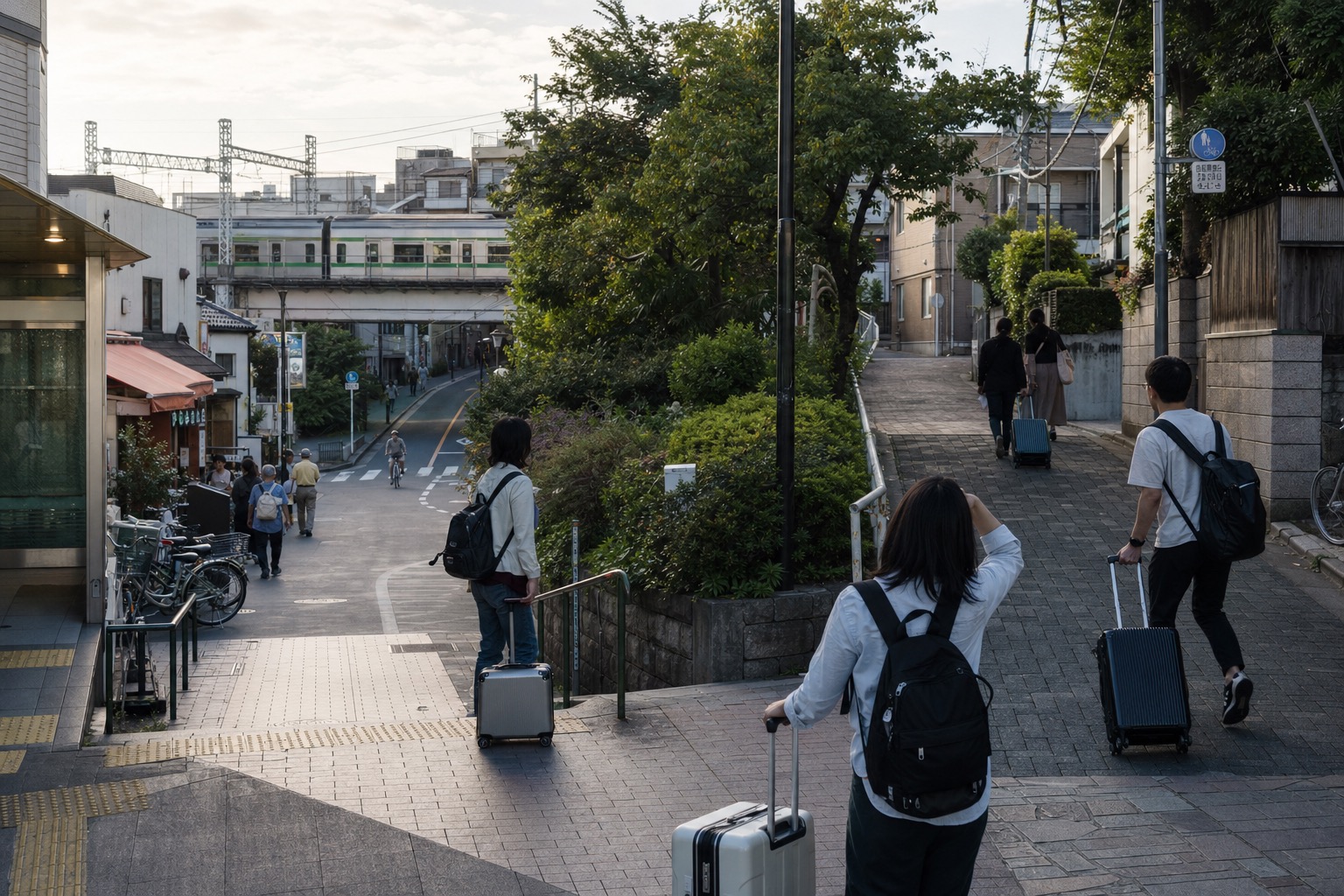
Travelers with luggage should inspect elevation and exits. A ten-minute scenic walk becomes different with two suitcases, summer heat, or rain. Keisei Nippori station guide should be checked for the Keisei/JR side, while Nezu and Sendagi need their own Tokyo Metro exit information. The Narita advantage is real, but it does not remove the neighborhood’s slopes.
Nippori’s station structure and west-side slopes deserve extra time.What “traditional Tokyo” really means
Yanesen survived with more small-scale fabric and prewar street patterns than many central districts, but it is not frozen. New cafes, renovated houses, apartment buildings, tourism, and daily commerce share the same blocks. The value lies in continuity and scale, not a promise that every building is historic.
Yanaka Ginza is a compact shopping street with snacks, groceries, crafts, and small businesses. It is busiest in the afternoon and can feel crowded despite the area’s quiet reputation. Many stores close one or more weekdays or sell out early.
Temple and cemetery walks are calmer. Use them as places of remembrance and worship, not shortcuts for loud groups. Do not photograph funerals, private homes, worshippers, or shop staff without permission. The neighborhood’s appeal depends on visitors behaving as guests.
Nezu Shrine, museums, and seasonal crowds
Nezu Shrine offers wooded grounds, historic structures, and rows of small torii. Its azalea season changes crowd levels dramatically. Check current official information rather than expecting an empty shrine based on an off-season photograph.
Ueno Park and its national museums are walkable or a short trip from parts of Nezu and Yanaka. Museum closing days differ, and special exhibitions require their own planning. Yanesen works best when a museum morning leads to a neighborhood afternoon rather than five attractions compressed into one route.
Small galleries and cultural spaces may have irregular hours. Save alternatives and accept that a closed door can redirect the walk toward a cafe, bathhouse, or temple.
Food, cafes, and evening limits
Daytime eating is a strength: sweets, croquettes, bakeries, coffee, soba, curry, and small set-meal shops. Queues can block narrow streets, so stand where directed and do not eat in front of unrelated homes or stores.
Dinner requires more planning. The area has good restaurants and izakaya, but not endless late-night supply. Reserve a special meal, note a casual backup near Sendagi or Nippori, and do not assume a daytime cafe serves dinner.
Sakura Hotel’s 24-hour cafe is an unusual practical feature. Convenience stores remain available, while Nippori’s east side broadens chain and late options. Travelers seeking bar-hopping should choose Ueno or another busier base.
Best hotels in Yanaka, Nezu and Sendagi
The honest list mixes neighborhood properties with Nippori alternatives. HOTEL GRAPHY NEZU is the true Nezu choice. Sakura Hotel Nippori sits by Sendagi and Yanaka Ginza despite its name. Almont and MYSTAYS are east/south-of-station conventional alternatives that prioritize transport over a walk-home Yanesen atmosphere.
Do not treat shared facilities as a small detail. At Sakura Hotel, most listed rooms use shared toilets and showers; one accessible four-person category has private facilities. At HOTEL GRAPHY, room types differ. Read the exact category.
- ★★★★★Not ratedOur pick
HOTEL GRAPHY NEZU
Couples, longer stays, and Nezu immersionThe true Nezu option, with a shared kitchen and lounge plus room categories ranging from compact/shared-facility formats to a 35-square-meter theater king.
Pros:Neighborhood location, useful common space, and distinctive larger categories.
Price: 🏷️ Social neighborhood hotelTrade-off: Bathroom and facility setup varies by exact room, requiring careful selection.
📍 Near Nezu Station; verify the official access route🗺️ Map - ★★★★★Not rated
Sakura Hotel Nippori
Solo travelers, small groups, and 24-hour supportDespite its name, this hotel sits in Sendagi beside Yanaka Ginza. It offers 14–17-square-meter Japanese and Western rooms, multilingual reception, cafe, kitchen, laundry, and storage.
Pros:Excellent Yanesen position, Narita access, and clear group/accessible categories.
Price: 🏷️ International budget hotelTrade-off: Most rooms use shared toilets and showers; four-person rooms are compact.
📍 3 minutes from Sendagi; 7 minutes from JR/Keisei Nippori🗺️ Map - ★★★★★Not rated
Almont Hotel Nippori — nearby alternative
Couples, breakfast, public bath, and Narita accessA conventional east-side Nippori alternative with private-room hotel facilities and strong airport/JR access. It prioritizes transport over a Yanaka walk-home atmosphere.
Pros:Predictable facilities, public bath, and straightforward station access.
Price: 🏷️ Conventional city hotelTrade-off: East of the station and outside the core Yanesen streets.
📍 5 minutes from Nippori east exit🗺️ Map - ★★★★★Not rated
HOTEL MYSTAYS Nippori — nearby alternative
Solo travelers and transport-first staysA 93-room practical alternative near Nippori and Fabric Town. The official site carries a completed guest-room renovation notice and active booking information.
Pros:JR/Keisei convenience, conventional privacy, and practical inventory.
Price: 🏷️ Practical business hotelTrade-off: Not a neighborhood-immersion stay and the immediate streets differ from Yanaka.
📍 5 minutes from Nippori south exit🗺️ Map
How to choose the right property
Couples
HOTEL GRAPHY is the stronger neighborhood experience when the selected room has the desired private bathroom. Its shared kitchen and lounge can add value to a longer stay. Confirm whether the room category is private-bath or shared.
Almont is the simpler conventional alternative for couples who prioritize a private room, public bath, breakfast, and Nippori transport. It is not inside Yanaka’s evening lanes.
Solo travelers and budget stays
Sakura Hotel’s 14-square-meter Japanese single gives private sleeping space with shared facilities and a 24-hour staffed operation. That combination suits travelers who want support and social common areas more than an in-room bathroom.
MYSTAYS is a practical self-directed alternative near Nippori. Compare bed, room size, kitchen equipment, housekeeping, and luggage rules for the exact plan.
Families and groups
Sakura lists Japanese rooms for three and four, plus a four-person wheelchair-accessible room with private shower and toilet. A 14-square-meter room for four is still compact; confirm futon or bunk configuration and luggage storage.
Conventional family-room supply is limited. Two rooms at Almont or another Ueno/Nippori hotel may work better than forcing everyone into a small neighborhood property.
Accessibility
The room is only half the problem. Yanaka’s slopes, stairs, temple surfaces, and station approaches can defeat an otherwise suitable category. Sakura explicitly lists an accessible room and lift, but guests should confirm measurements and the chosen station route. Ask HOTEL GRAPHY and conventional hotels for exact entrance and bathroom details.
A two-day plan
Day one: Yanaka and Sendagi
Start from Nippori after the commuter peak, walk respectfully through the cemetery and temple lanes, then descend toward Yanaka Ginza before the afternoon rush. Continue to Sendagi cafes or small shops. Return to the hotel before a reserved dinner.
Day two: Nezu and Ueno
Visit Nezu Shrine early, then choose one Ueno museum. Walk back through residential streets only if weather and mobility permit. A public bath, cafe, or simple local meal makes a better ending than another cross-city attraction.
Safety and practical details
Traffic is slow but close, bicycles appear in narrow lanes, and stone or asphalt slopes become slippery in rain. Summer heat accumulates between low buildings. Carry water without treating shrine or cemetery space as a picnic ground.
Respect cats as animals, not props. Do not feed or corner them. Keep voices down around homes and accommodations. Small properties may have quiet hours, limited reception, stairs, or no daily cleaning.
For Narita departures, confirm the exact Keisei service and terminal timing. A hotel near Nippori helps only when the walk to the station and ticket plan are realistic. Very early flights may still justify an airport hotel.
Booking decision notes
Yanaka, Nezu, and Sendagi are a walking environment rather than a single station district. Nippori is the practical anchor for Keisei airport services and JR connections. Sendagi gives a better balance between the old lanes and the Chiyoda Line. Nezu is the quieter Ueno-side choice, close to Nezu Shrine and the university neighborhood. Yanaka has the strongest visual identity around the cemetery, temples, and Yanaka Ginza, but it also has the most slopes, narrow lanes, and small-property compromises. The right hotel can make the area feel intimate; the wrong one can turn every arrival into a luggage exercise.
HOTEL GRAPHY NEZU suits travelers who want a social base with a shared kitchen and bath-oriented common space. It is a lifestyle property, not a conventional full-service hotel, so room categories and shared facilities need to be understood before payment. Sakura Hotel Nippori offers 24-hour multilingual support, shared facilities, and a more forgiving arrival pattern for travelers who value staff availability over a private bathroom. Almont Hotel Nippori is the conventional fallback when family rooms, a lift, or predictable hotel operations matter more than sleeping inside the quietest lanes. HOTEL MYSTAYS Nippori is another transport-first alternative, but it should not be sold as the same neighborhood immersion.
The area is a good fit for visitors who can start early, walk respectfully, and let the day breathe. Begin at Nippori after the commuter peak, descend toward Yanaka Ginza, then use Sendagi and Nezu for cafes and shrine streets. On another day, combine Nezu Shrine with one Ueno museum rather than trying to consume every temple and museum in one loop. Many small shops open later or close on individual days, and the evening restaurant radius is smaller than in Asakusa, Ueno, or Shinjuku. This quiet is part of the value, not a missing amenity.
Families should check room configuration, bathroom privacy, station lifts, and the slope between the selected exit and the property. A family may be better served by two conventional rooms near Nippori or Ueno than by forcing everyone into a tiny neighborhood room. Sakura lists an accessible room and lift, but the exact dimensions and station approach still need confirmation. Likewise, “near Nippori” does not automatically mean a simple Narita departure: check the exact Keisei service, terminal timing, and the walk with luggage.
A slower itinerary is also a practical safety choice here. Temple grounds, cemetery paths, and residential lanes are shared spaces rather than open-air attractions, so keep voices low, leave bicycles and delivery routes clear, and avoid turning cats or local residents into photo props. Rain changes the walking equation quickly: stone approaches become slick, umbrellas crowd narrow streets, and a ten-minute map route can feel much longer with a suitcase. Check the forecast, keep the first day light, and use a taxi or a station closer to the property when the route is not worth the strain.
Yanesen works best as a deliberately chosen pace. Book it for traditional residential streets, temples, cats observed from a respectful distance, and Ueno access without Asakusa-scale crowds. Choose Ueno when museums and hotel inventory lead the decision, or Asakusa when Senso-ji, river views, and late visitor activity matter more. The honest trade-off is that Yanesen rewards light luggage and flexible evenings rather than a checklist-heavy first Tokyo trip.
FAQ
What does Yanesen mean?
It is a combined nickname formed from Yanaka, Nezu, and Sendagi. The area crosses ward boundaries and contains several different stations.
Is Yanaka less crowded than Asakusa?
Generally yes, but Yanaka Ginza and seasonal shrine periods can be busy. The quieter experience comes from timing and side streets, not a guarantee of emptiness.
Is Nippori or Sendagi better for Narita?
Nippori has direct Keisei airport services. Sendagi offers better neighborhood immersion but requires a walk or local connection to Nippori.
Are shops open early?
Many small shops and cafes open later than commuters expect and keep individual closing days. Use mornings for temples, parks, or museums.
Is Yanesen good for families?
It can be for calm walks and Ueno attractions, but slopes, small rooms, shared facilities, and early evenings require the right family.
Final verdict
Choose Yanesen because you want its pace every morning and evening. Stay near Nippori for airports and JR, Sendagi for balance, or Nezu for the quietest Ueno-side immersion. The area rewards light luggage, respectful walking, and flexible plans more than checklist tourism.
Explore more Tokyo areas
Compare Ueno for museums and a larger hotel market, Asakusa for landmark-scale traditional sightseeing, and Kita-Senju for local food, rail connections, and better-value conventional hotels.
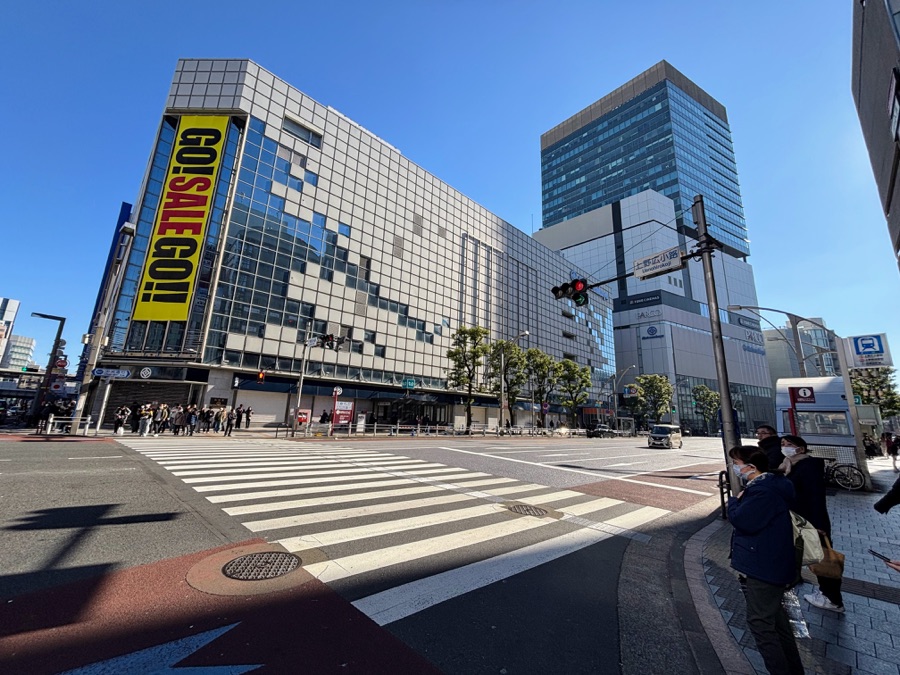
Ueno
Choose it for museums, Keisei access, a larger hotel market, and livelier dining.
Open guide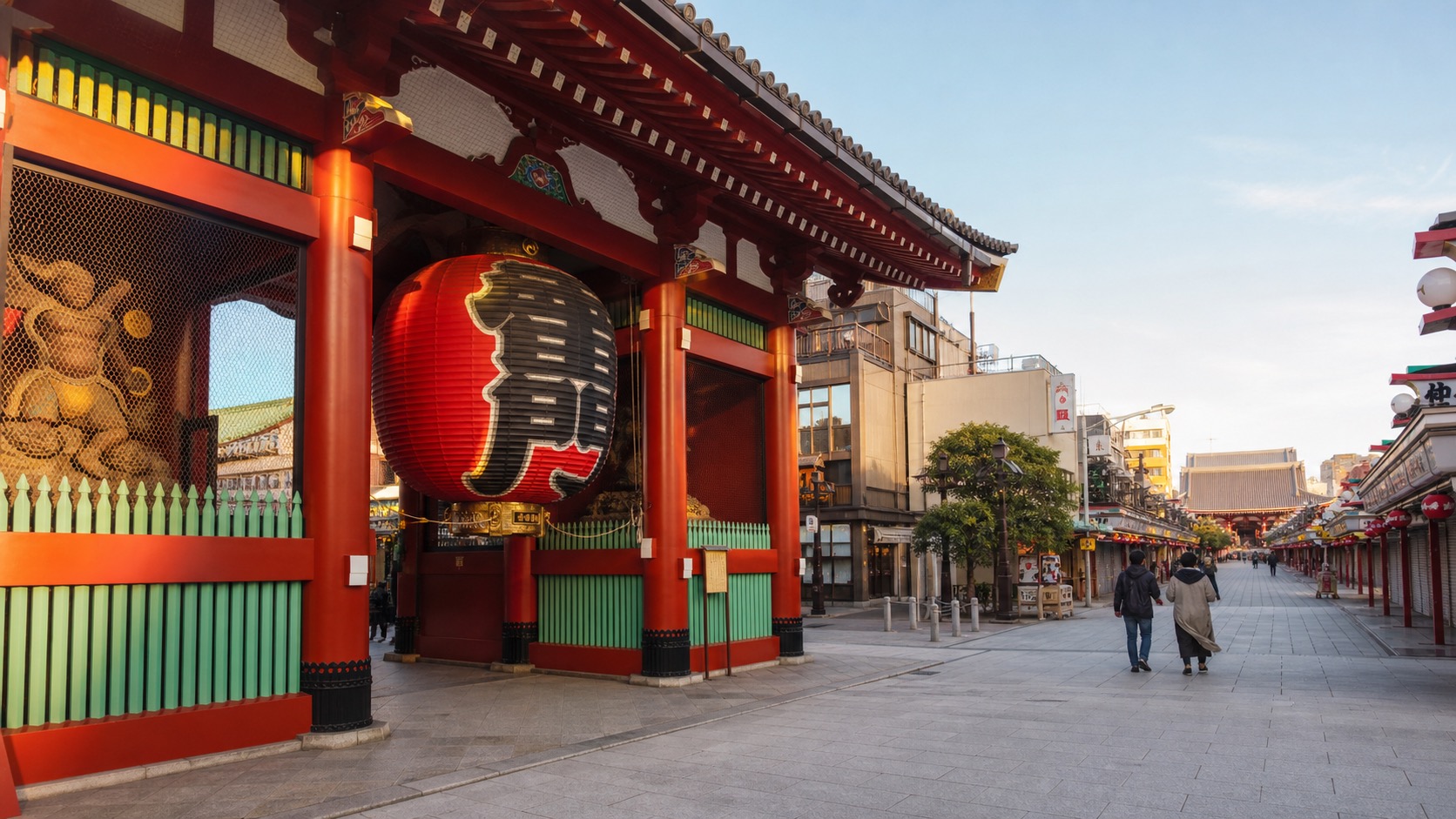
Asakusa
Choose it for Sensoji, river sightseeing, and a much larger traditional-tourism district.
Open guide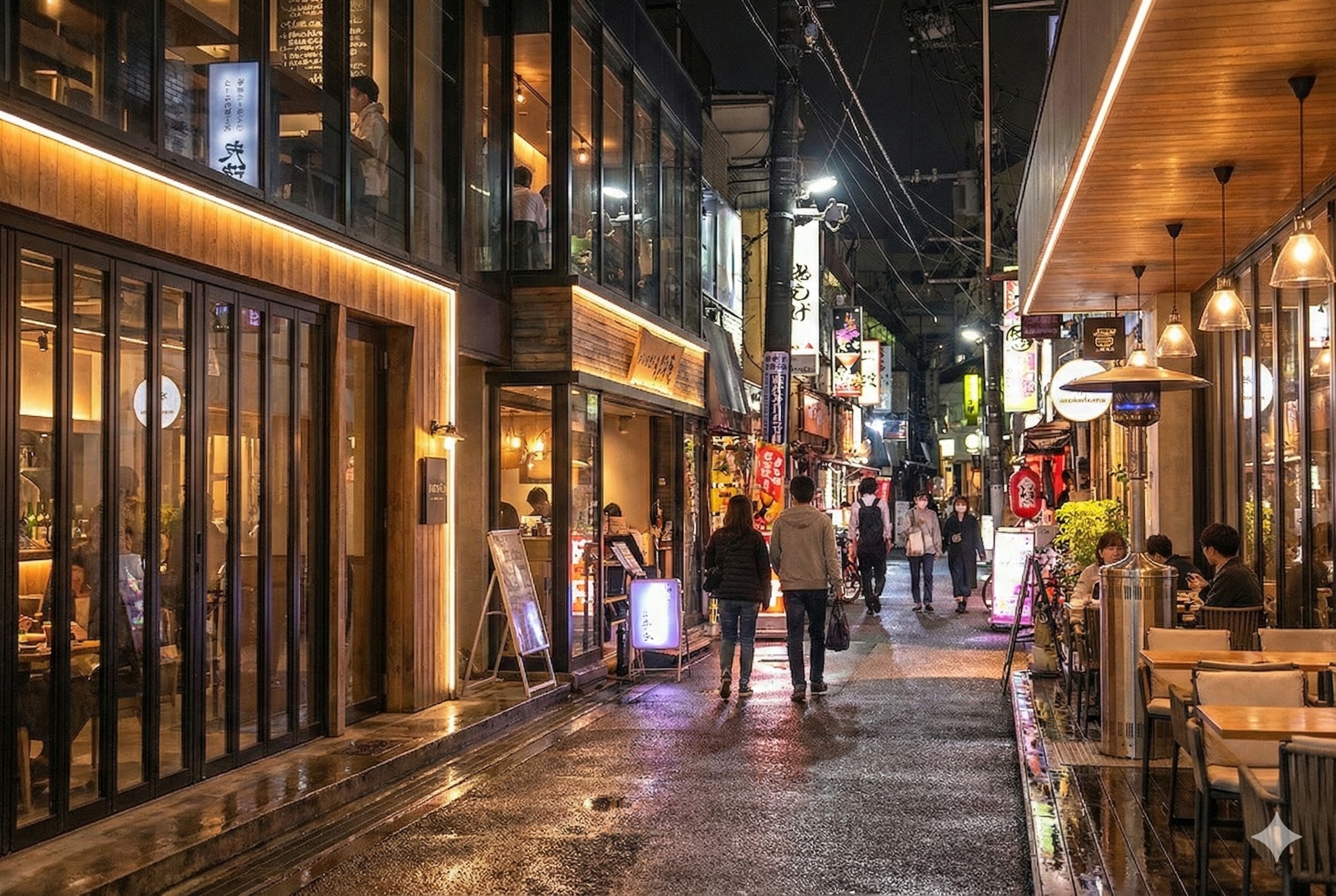
Kita-Senju
Choose it for local food, multiple rail lines, and better-value conventional hotels.
Open guideSome links below are affiliate links. If you book through them we may earn a small commission at no extra cost to you.