
Tokyo Chain Store Guide
Gyudon & Teishoku Chains in Japan(牛丼・定食チェーン)
At some point during your trip, it will be late, you will be tired, and you will want something hot, filling, and cheap without turning dinner into a project. That is where Japan's gyudon and teishoku chains become genuinely useful.
At some point during your trip, it will be late, you will be tired, and you will want something hot, filling, and cheap without turning dinner into a project. That is where Japan’s gyudon and teishoku chains become genuinely useful.
Gyudon (牛丼) is the fast answer: thinly sliced beef simmered in a sweet-savory broth over rice, usually around ¥400-600, often served in a few minutes, and easy to eat alone at almost any hour. Teishoku (定食) chains solve a different problem. They are where you go when you want a proper tray meal with rice, soup, vegetables, and a main dish that feels closer to everyday Japanese home cooking than to pure fast food.
The mistake many first-time visitors make is treating these as the same kind of restaurant. They overlap on price and convenience, but the use case is different. Gyudon chains are for speed, late nights, solo eating, and budget control. Teishoku chains are for the point in your trip when you want something more balanced and satisfying, but still do not want to overpay.
Best for: Late-night hunger, budget meals under ¥1,000, solo dining, everyday Japanese chain food, and knowing when to choose a five-minute gyudon stop versus a fuller teishoku meal.
The Big Three Gyudon Chains
Sukiya(すき家)
Sukiya is the widest and most flexible of the big three. It has thousands of stores nationwide, lots of menu variation, and plenty of branches that stay open very late. If you want the least friction and the most choice, Sukiya is often the easiest entry point.
- Gyudon price: Regular around ¥430
- Best for: Menu variety, late-night eating, families
- Ordering: Tablet at the table at many locations, with some branches still using ticket machines
- Standout items: Cheese gyudon, negitama gyudon, curry, and combo-heavy comfort-food variations
Yoshinoya(吉野家)
Yoshinoya is the classic. If Sukiya feels expansive, Yoshinoya feels focused. The broth is a little richer, the menu is a little tighter, and the whole experience leans more toward “just give me the real thing” than toppings and experimentation.
- Gyudon price: Regular around ¥468
- Best for: Classic gyudon flavor, quick counter service, the original-chain feeling
- Ordering: Often verbal ordering at the counter rather than a ticket machine
- Standout items: Standard gyudon, asa-teishoku breakfast sets, and the plain bowl when you want to judge the chain on fundamentals
Matsuya(松屋)
Matsuya is the value-heavy branch of the category. The free miso soup matters more than it sounds, and the curry side of the menu is strong enough that some people use Matsuya less as a gyudon chain and more as a cheap all-purpose solo meal stop.
- Gyudon price: Regular around ¥430, usually with miso soup included
- Best for: Value, ticket-machine ordering, and people who also want a good cheap curry option
- Ordering: Ticket machine at the entrance in many locations
- Standout items: Standard gyudon, original curry, gyudon-curry combinations, breakfast teishoku
Best Teishoku Chains
Yayoi-ken(やよい軒)
Yayoi-ken is the practical step up from gyudon. You still get chain-level convenience and pricing, but the meal feels complete: rice, soup, pickles, and an actual main dish rather than one fast bowl. If you are trying to eat something that feels like a normal dinner rather than emergency fuel, Yayoi-ken is the more useful category jump.
- Price range: Usually around ¥700-1,200 per set meal
- Best for: A balanced meal that still feels affordable
- Standout feature: Free rice refills at many locations
- Ordering: Often ticket machine first, then sit down
- Standout items: Grilled mackerel teishoku, chicken nanban teishoku, mixed grill sets
Ootoya(大戸屋)
Ootoya serves the same broad idea as Yayoi-ken, but with a calmer, slightly more refined feel. It is not luxury dining, but it does feel more like a real casual restaurant than a pure chain pit stop. The food is usually a little more composed, and the room itself often feels easier to sit in for a slower meal.
- Price range: Usually around ¥800-1,400 per set meal
- Best for: A more composed sit-down meal without leaving chain-store pricing entirely
- Standout feature: Cooked-to-order feel and a stronger “home-style but polished” identity
- Ordering: Staff usually take your order from a menu
- Standout items: Chicken and vegetable black-vinegar stir-fry, grilled fish teishoku, tofu-centered side dishes
Quick Comparison
| Speed | Price | Vibe | Best scenario | |
|---|---|---|---|---|
| Sukiya | Fast (2-3 min) | ¥430-800 | Casual, flexible | Late-night meal when you want the broadest menu |
| Yoshinoya | Fast (2-3 min) | ¥468-800 | Counter-style, focused | Classic gyudon craving |
| Matsuya | Fast (2-3 min) | ¥430-800 | Solo-friendly, value-heavy | Cheap meal plus free miso soup |
| Yayoi-ken | Medium (5-10 min) | ¥700-1,200 | Practical teishoku | Proper Japanese meal on a budget |
| Ootoya | Slower (10-15 min) | ¥800-1,400 | Calmer, more refined | When you want teishoku that feels more like dinner |
How to Order: The Ticket Machine (券売機)
Many gyudon chains and some teishoku chains use a ticket machine (券売機 / kenbaiki) at the entrance. It can look intimidating the first time, but it is usually easier for travelers than spoken ordering because you can point, tap, pay, and hand over the ticket.
- Find the machine near the entrance
- Look for pictures or an English button
- Choose your dish
- Choose the size if the chain offers one
- Pay with cash, IC card, or credit card depending on the branch
- Take the ticket and hand it to staff
- Sit down and wait a few minutes
What to Actually Order (First-Timer Guide)
If this is your first time, the easiest move is not to overthink it.
At a gyudon chain (Sukiya / Yoshinoya / Matsuya)
- Start with a regular gyudon
- Add a raw egg if you want the more local-style version
- Use beni-shoga from the condiment counter to cut the richness
At a teishoku chain (Yayoi-ken / Ootoya)
- Grilled fish teishoku if you want something classically Japanese
- Chicken nanban if you want a safer crowd-pleaser
- Hamburg steak teishoku if you want Japanese comfort food rather than seafood
Practical Info
- Hours: Gyudon chains often stay open very late, and some busy branches run 24/7. Teishoku chains usually keep more standard lunch-to-evening hours.
- Payment: Cash is always safe. Machines increasingly take IC cards and credit cards, but older branches can still be cash-first.
- Solo dining: Gyudon chains are built for solo diners. Teishoku chains also work fine alone, but feel slightly less rushed.
- English support: Sukiya and Matsuya are often the easiest. Yoshinoya is less consistent. Yayoi-ken and Ootoya may rely more on photo menus.
Common Questions
- Is gyudon actually good?
- It is not supposed to be fancy. It is supposed to be hot, salty-sweet, filling, and fast. That is why people like it. It may not be the most memorable meal of your trip, but it is often one of the most useful.
- Is it healthy?
- Gyudon itself is not a health-food category. Teishoku chains are the better answer if you want a more balanced meal with fish, vegetables, soup, and a less one-note structure.
- What about vegetarian or halal options?
- Choices are limited. Dashi often contains bonito, and the beef at standard chains is not halal-certified. These chains are generally not the easiest answer for strict dietary requirements.
- Should I tip?
- No. Tipping is not part of normal restaurant culture in Japan, including chain dining.
- Are these chains only for budget travelers?
- Not at all. Locals use them because they are practical. The point is not “cheap tourist food.” The point is reliable everyday dining that fits real schedules.
Explore More
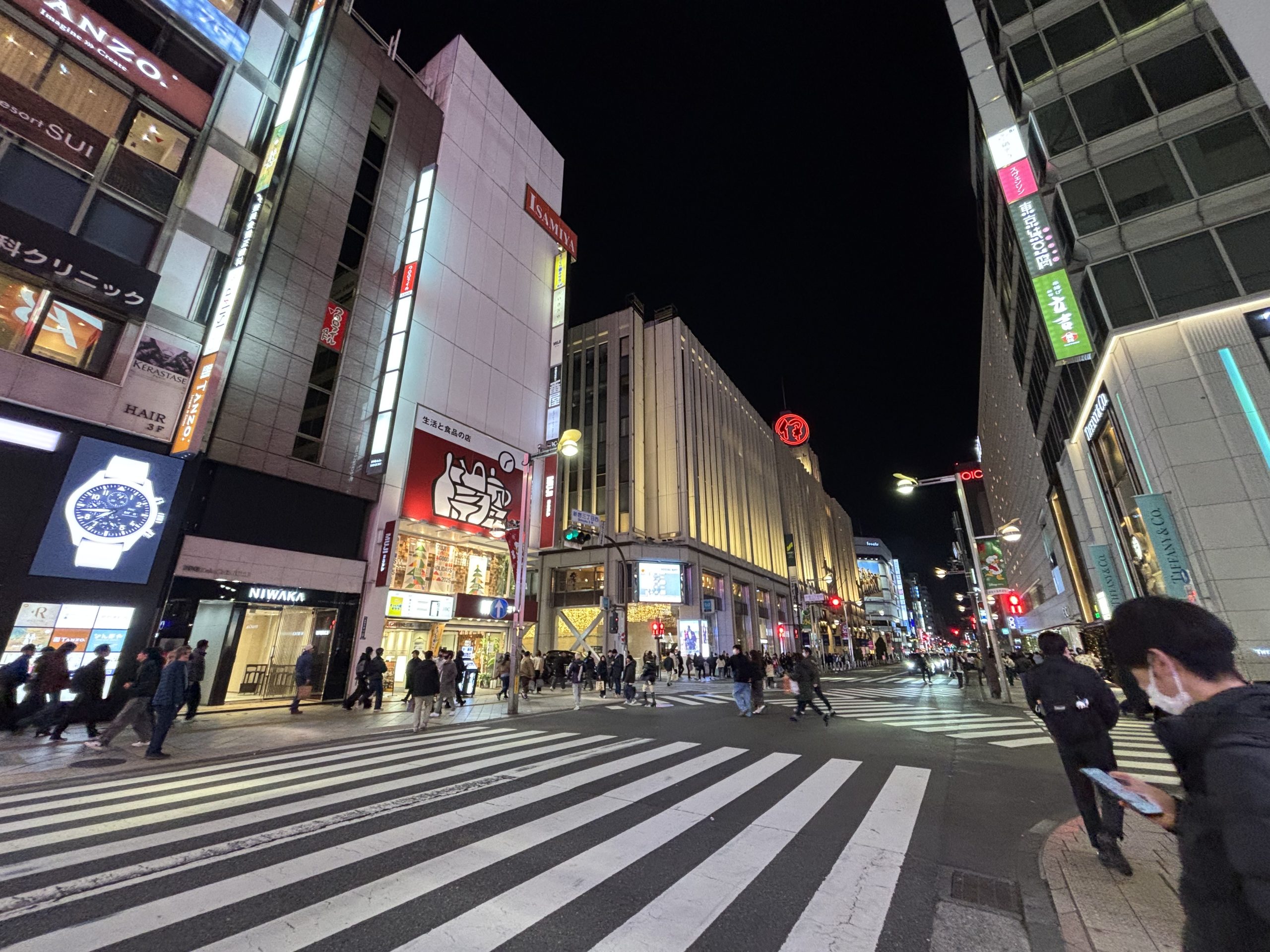
These chains are everywhere in Tokyo, but how useful they feel depends a lot on where you stay.


Sources: sukiya.jp, yoshinoya.co.jp, matsuyafoods.co.jp, yayoiken.com, ootoya.com. Prices are rough traveler benchmarks and can change by branch and campaign.